
Export Products
We source Brazil's most sought-after commodities direct from verified producers and licensed exporters — handling specification, inspection, logistics and documentation end-to-end. Browse what we trade, then request a quote.
Grains, Pulses & Sugar
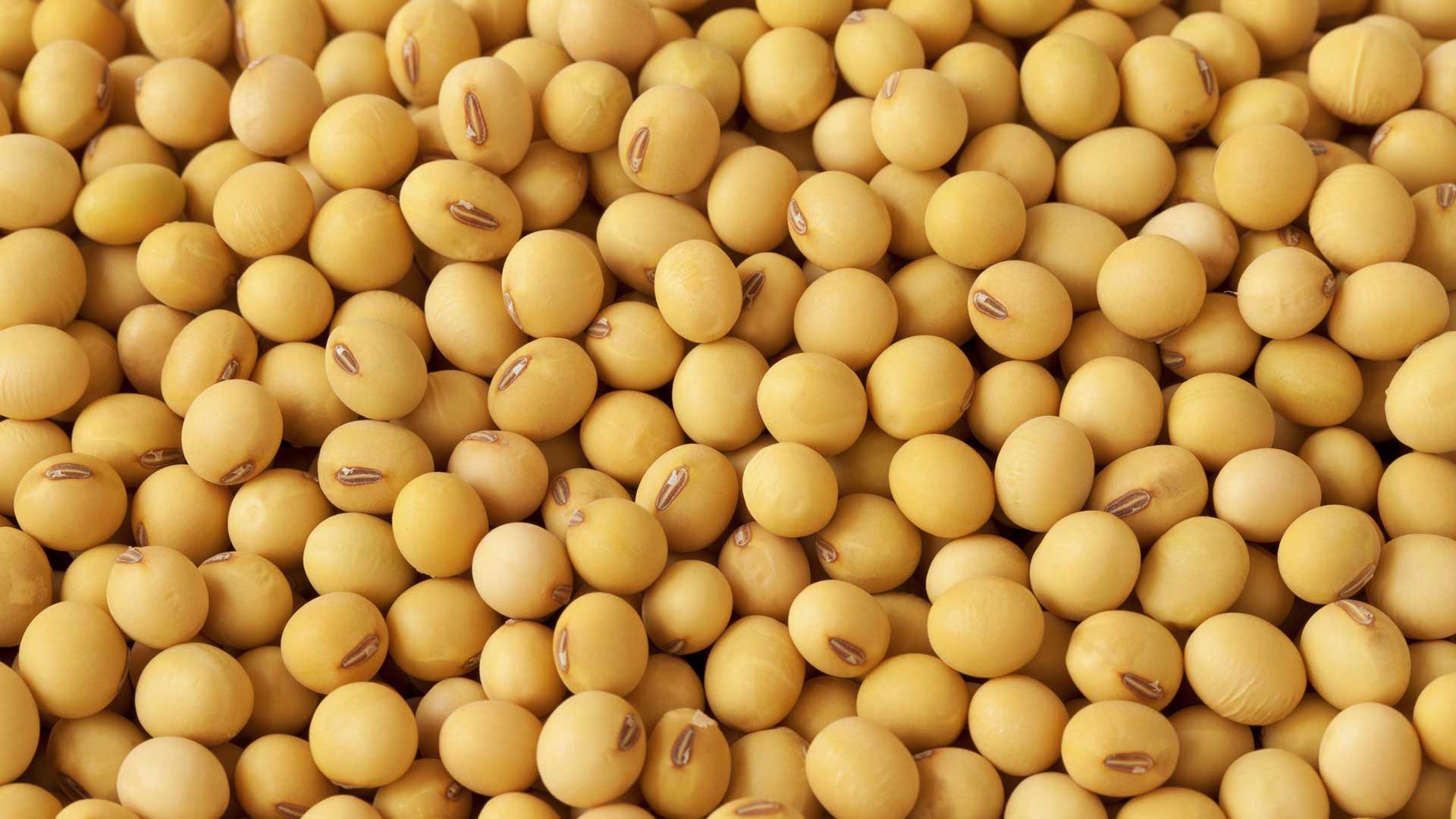
Soy
Brazil is the world's largest producer and exporter of soybeans, a cornerstone of global animal-feed and vegetable-oil supply chains, led by massive production in Mato Grosso, Paraná, Rio Grande do Sul and Goiás. The country also exports significant volumes of soy meal and soy oil.
Request a quote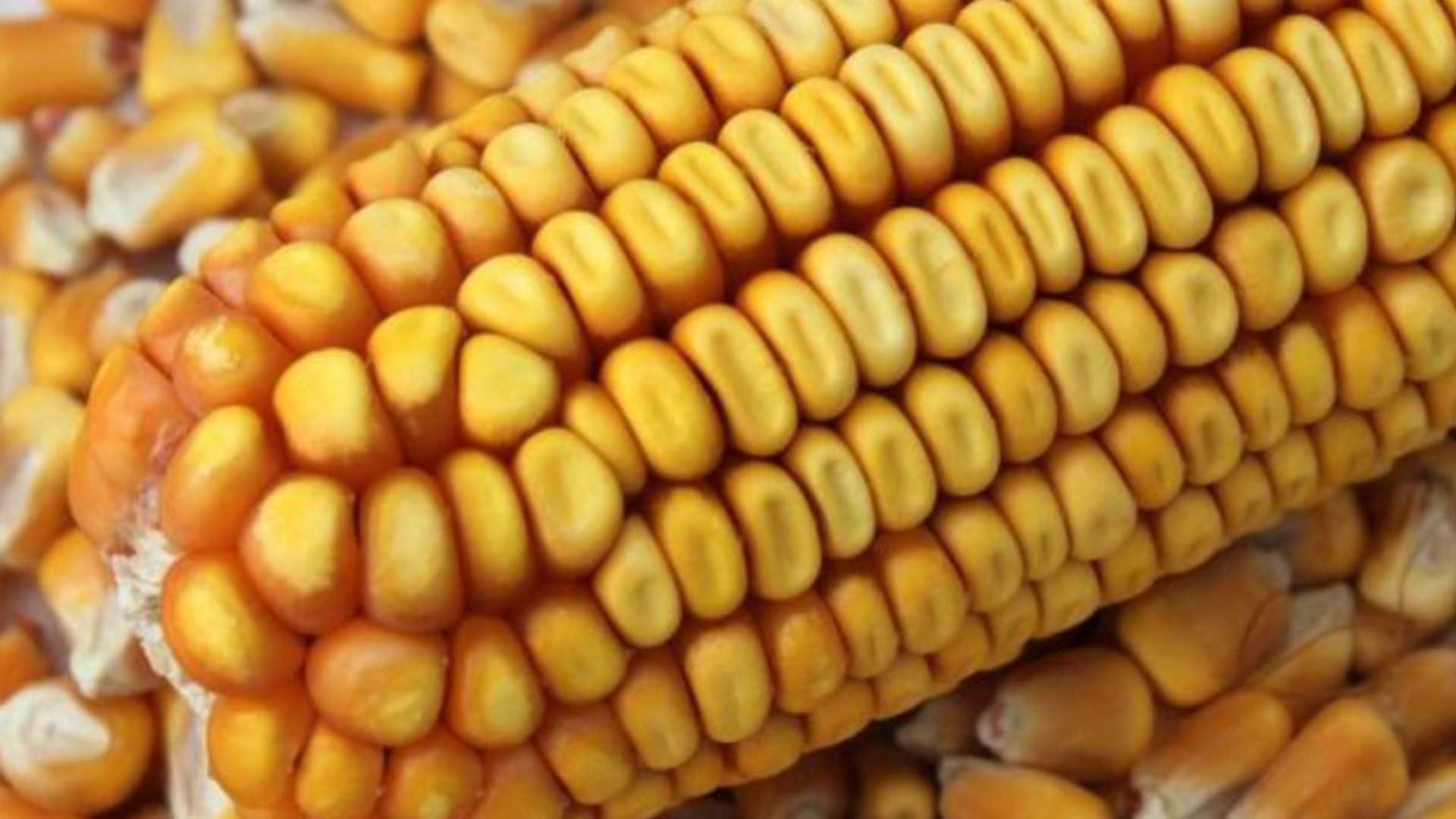
Corn
Brazil is one of the world's largest corn exporters, with a two-crop system (safra and safrinha) that produces yellow corn year-round from Mato Grosso, Paraná, Goiás and Mato Grosso do Sul. Exports serve feed mills and starch industries across Asia, the Middle East, North Africa and Europe.
Request a quote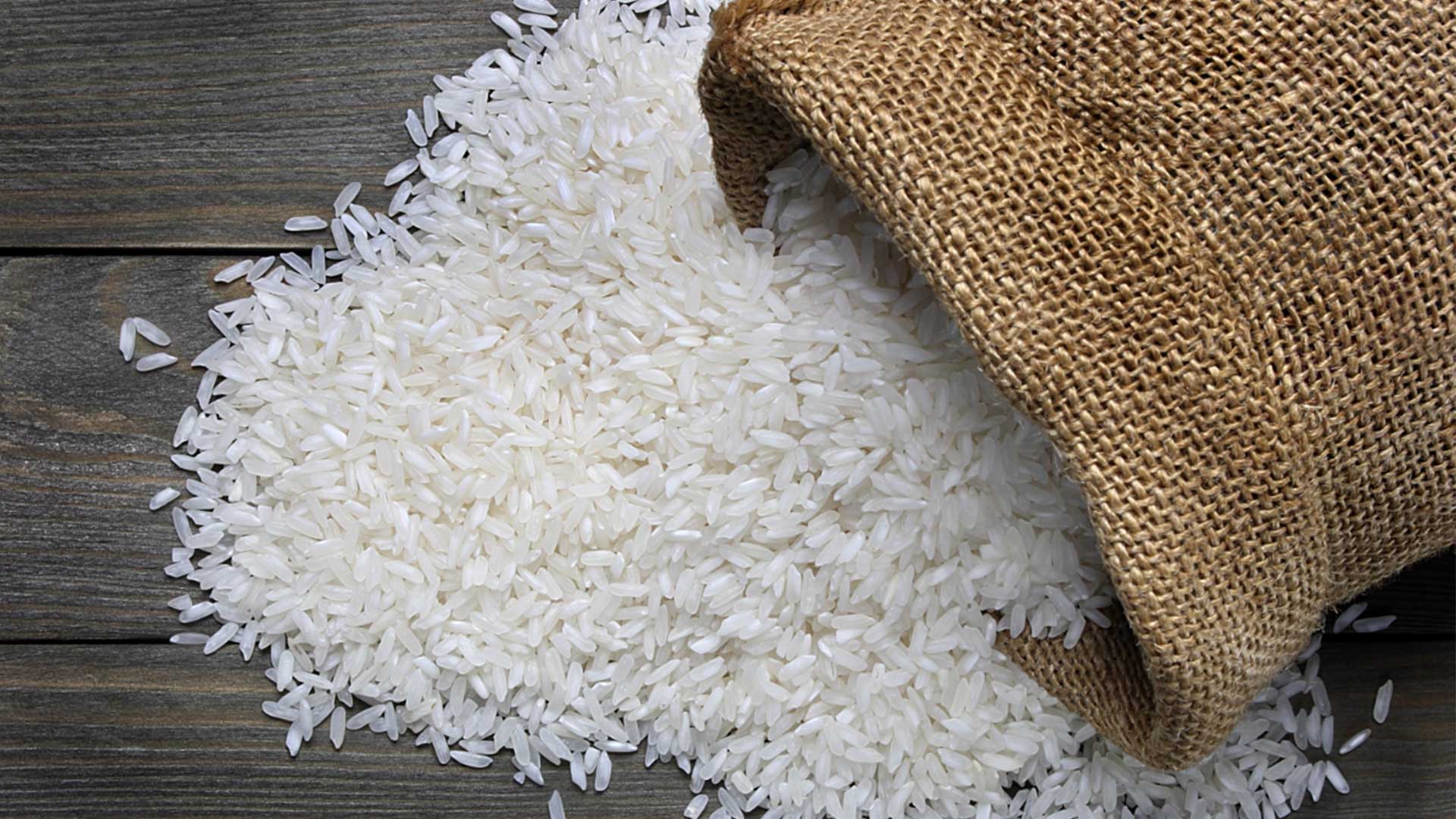
Rice
Brazil is the largest rice producer in the Western Hemisphere, with the bulk of output coming from Rio Grande do Sul and Santa Catarina under irrigated paddy systems. Available grades include long-grain white (Type 1 / Type 2), parboiled and brown rice, in retail and industrial packaging formats.
Request a quote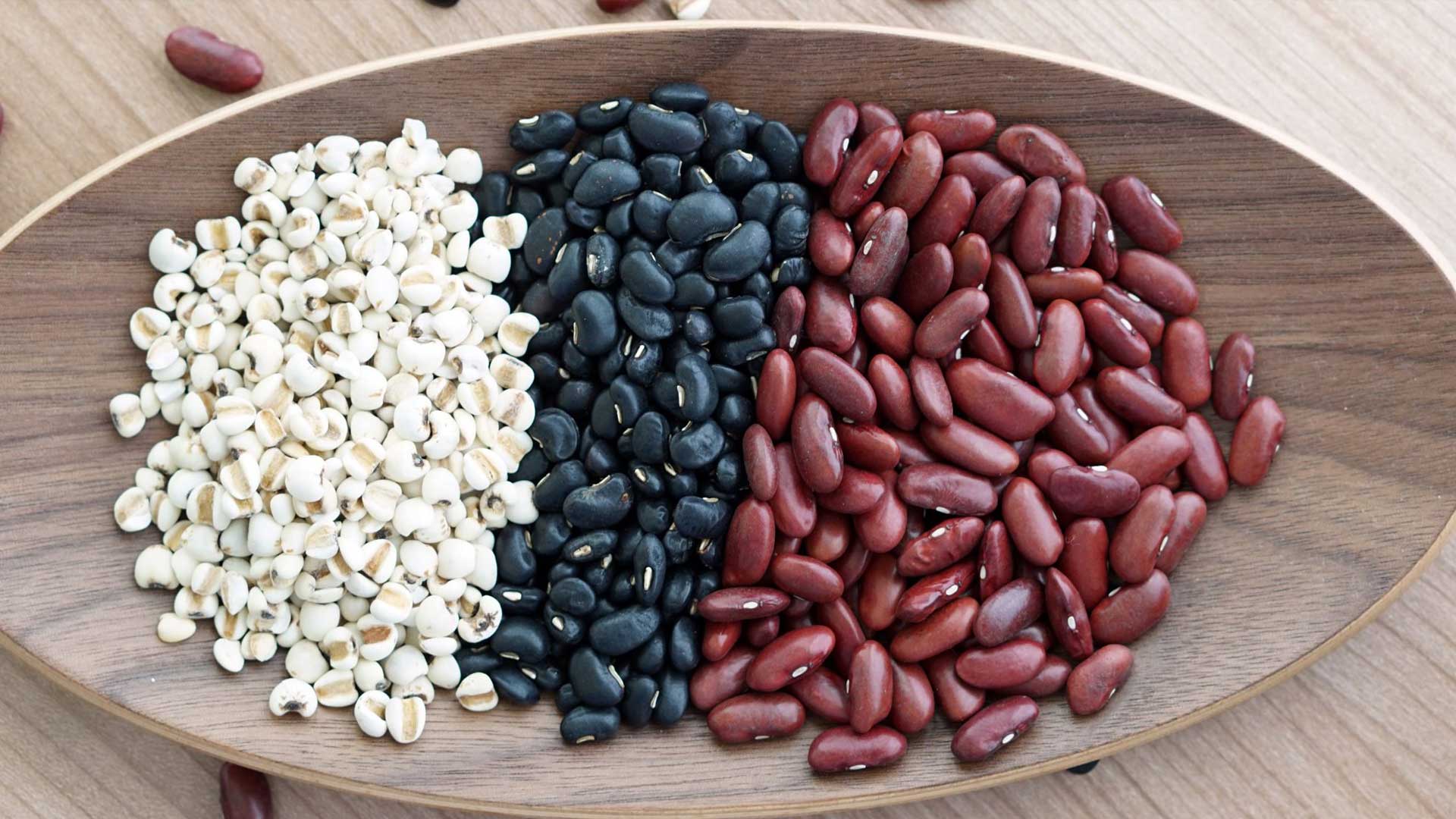
Beans
Beans are a staple of the Brazilian diet and the country is both a major producer and a significant exporter. Available varieties include Carioca, Black (Preto), Pinto, Red, Mung and Cowpea (Caupi / Feijão-Fradinho), graded to international standards (Type 1 / Type 2 / Type 3) and packed in 25 kg, 50 kg or big-bag formats for export.
Request a quote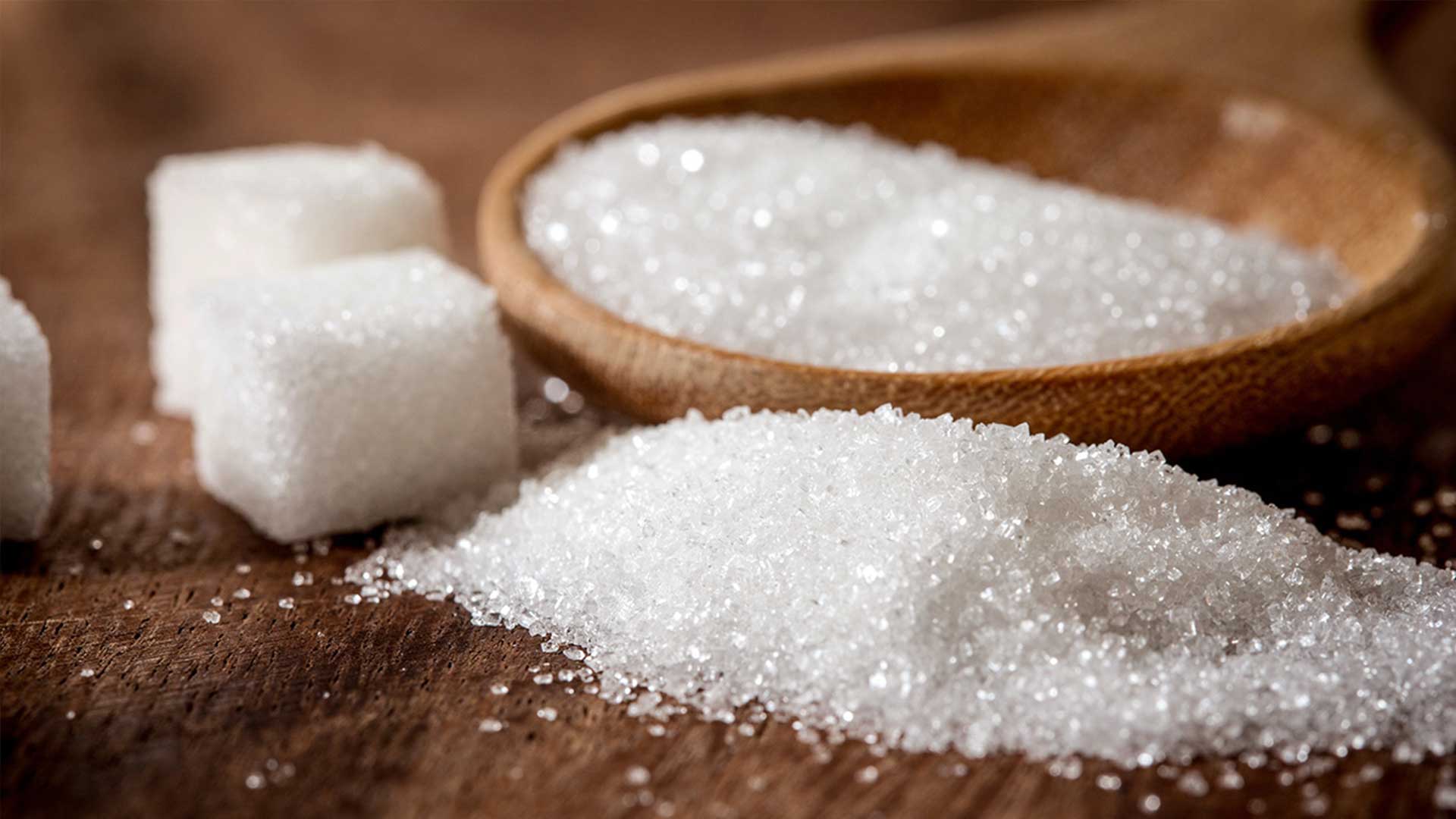
Sugar
Brazil is the world's largest sugar exporter, with cane production concentrated in the Centre-South (São Paulo, Minas Gerais, Goiás) and the North-East. Available specifications include VHP (Very High Polarisation) raw sugar, ICUMSA 45 refined, crystal white, brown and organic, packed in bulk, 50 kg bags or big bags, typically shipped out of Santos.
Request a quoteFresh Fruit
Bananas
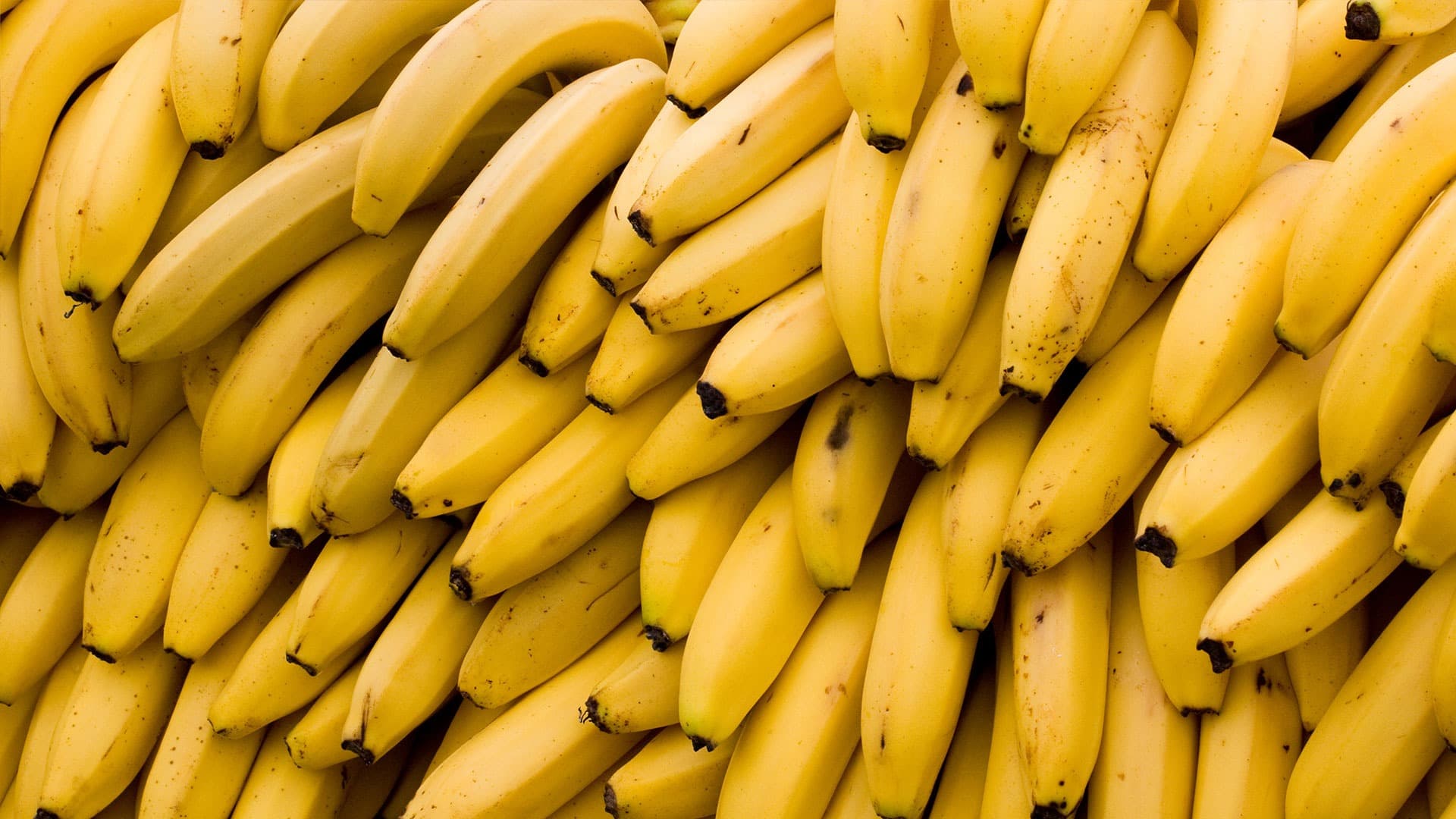
Brazil is one of the largest banana producers in the world, with year-round harvests from the fertile valleys of São Paulo, Minas Gerais, Bahia and Santa Catarina. Commonly exported varieties include Cavendish (Nanica / Nanicão), Prata and Maçã, packed to international specifications and cold-chain shipped to buyers across Europe, the Middle East and beyond.
Request a quote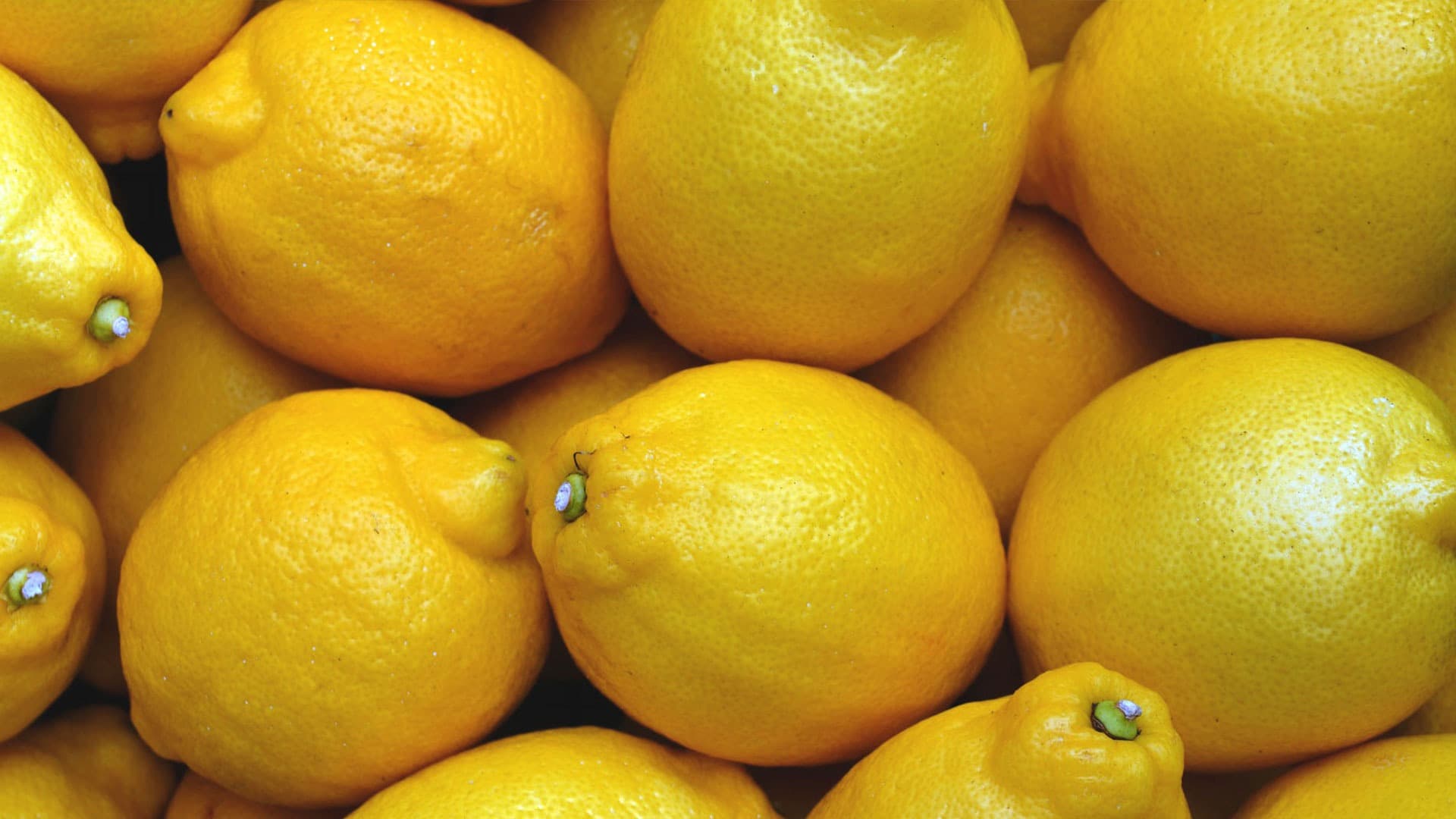
Lemons
Brazil produces some of the most consistent Tahiti-lime crops in the world. What international markets usually call "lemons" are Brazil's Tahiti limes (Limão Taiti), alongside Siciliano and Galego varieties. São Paulo is the main producing state, with near-year-round availability and strong export presence in Europe.
Request a quote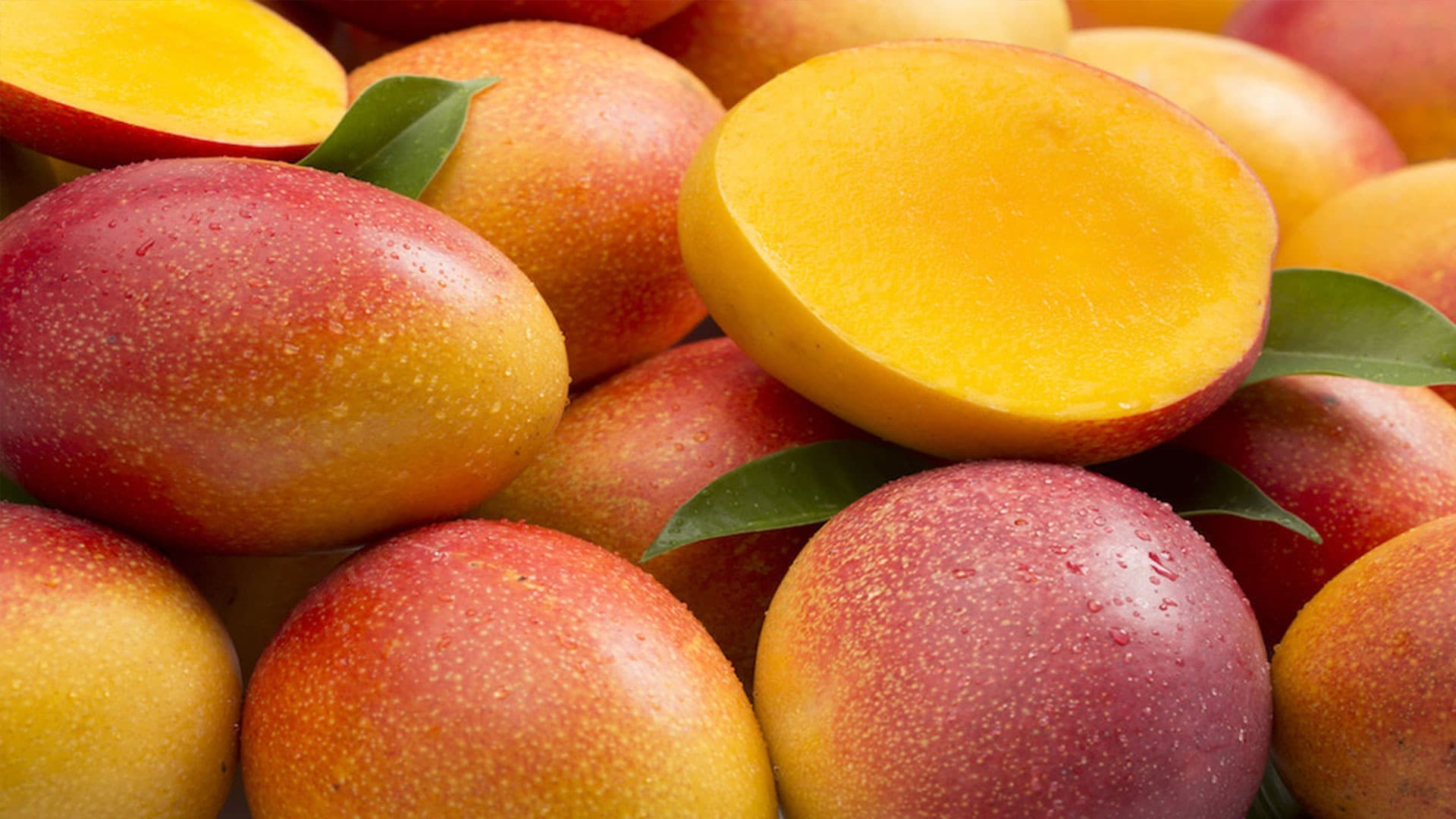
Mangoes
Brazil is one of the largest mango exporters to Europe and North America, with main production in the irrigated São Francisco Valley (Petrolina-Juazeiro, on the border of Pernambuco and Bahia). Common export varieties include Tommy Atkins, Palmer, Keitt, Kent and Haden, available year-round thanks to staggered flowering.
Request a quote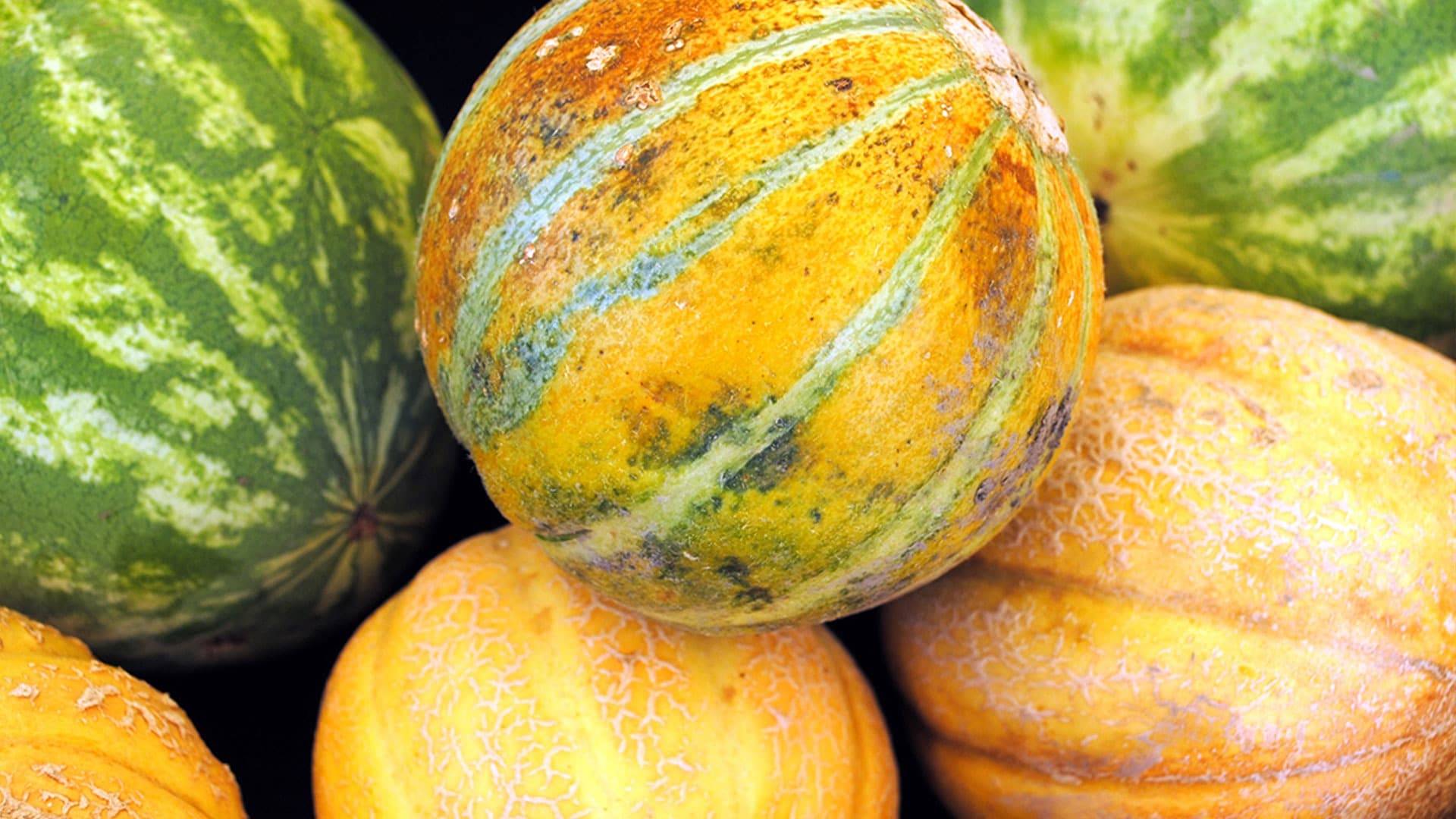
Melons
Brazil is one of the world's largest melon exporters, with the main production region in the semi-arid Northeast, especially Rio Grande do Norte and Ceará. Export varieties include Yellow, Cantaloupe, Piel de Sapo, Galia and Charentais, harvested between July and March to supply European and North American off-season demand.
Request a quoteMeat & Seafood
Beef
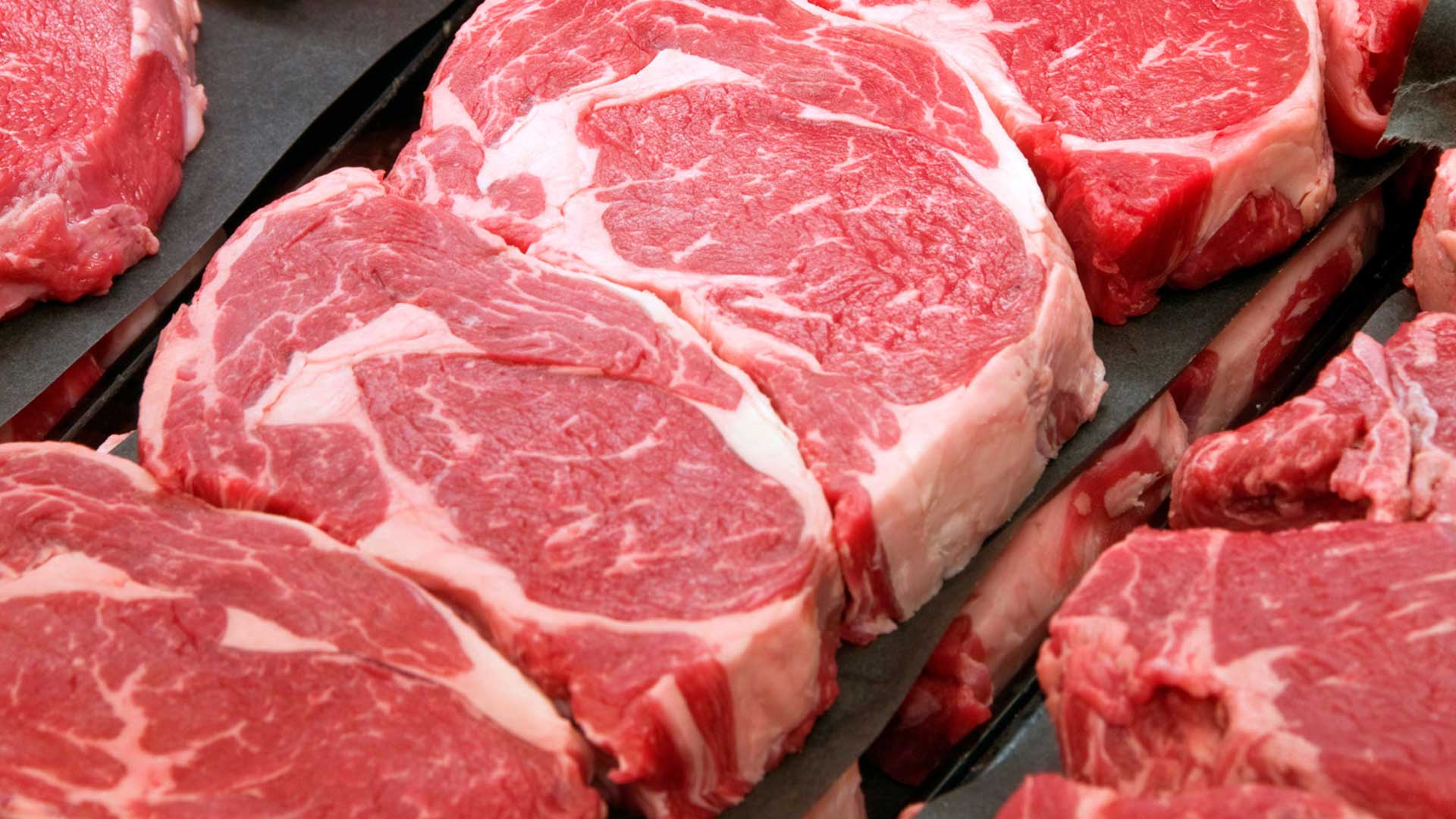
Brazil is the world's largest beef exporter, supplying more than 150 markets across Asia, the Middle East, Europe and the Americas. The industry is dominated by globally certified plants (SIF-approved, with China, EU, Halal, Kosher and other accreditations as required), and product ranges from fresh-chilled and frozen primal cuts to industrial trim, offal and ready-to-cook portions.
Request a quote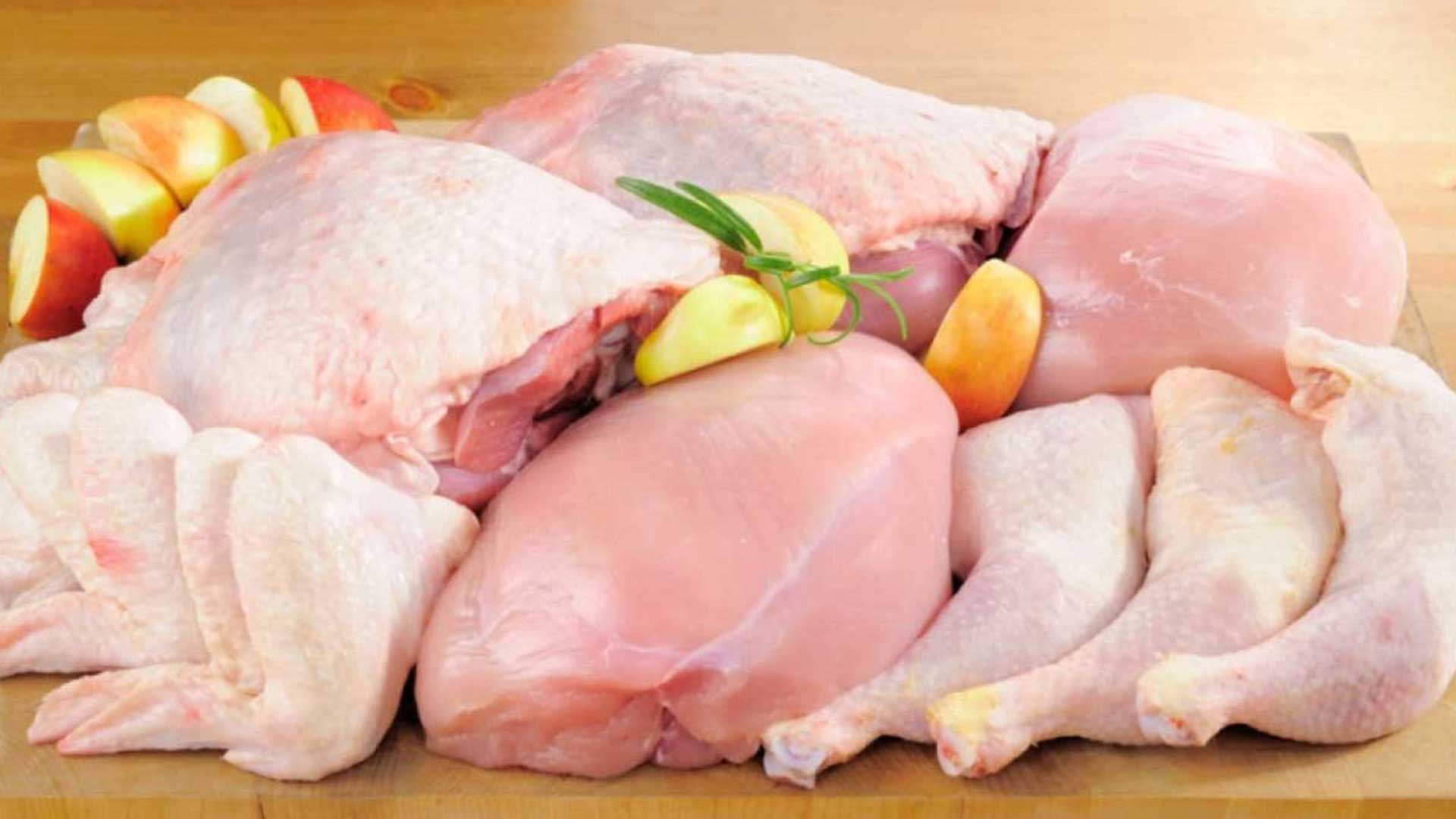
Chicken
Brazil is the world's largest chicken-meat exporter, with a highly integrated production base concentrated in the South (Paraná, Santa Catarina, Rio Grande do Sul). Plants are SIF-certified and hold the export approvals required by the EU, China, Middle East (including Halal), Japan, Korea and dozens of other markets.
Request a quote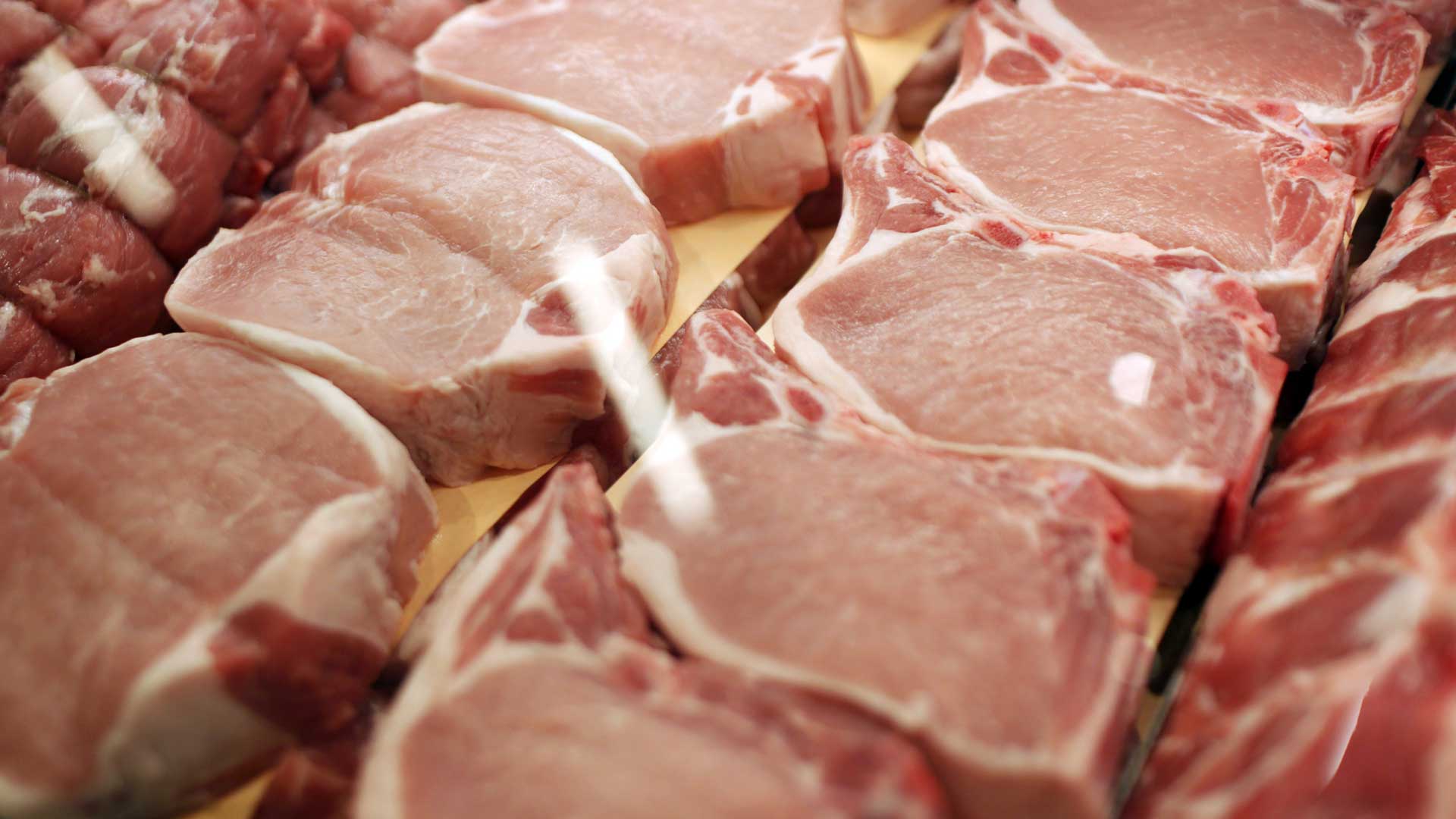
Pork
Brazil is one of the top four pork exporters in the world, with the vast majority of production concentrated in the South (Santa Catarina, Rio Grande do Sul, Paraná). Plants are SIF-certified and hold the export approvals required by China, the Philippines, Hong Kong, Chile, Uruguay and many more. Available formats include fresh-chilled, frozen primal cuts, offal, processed and ready-to-cook products.
Request a quote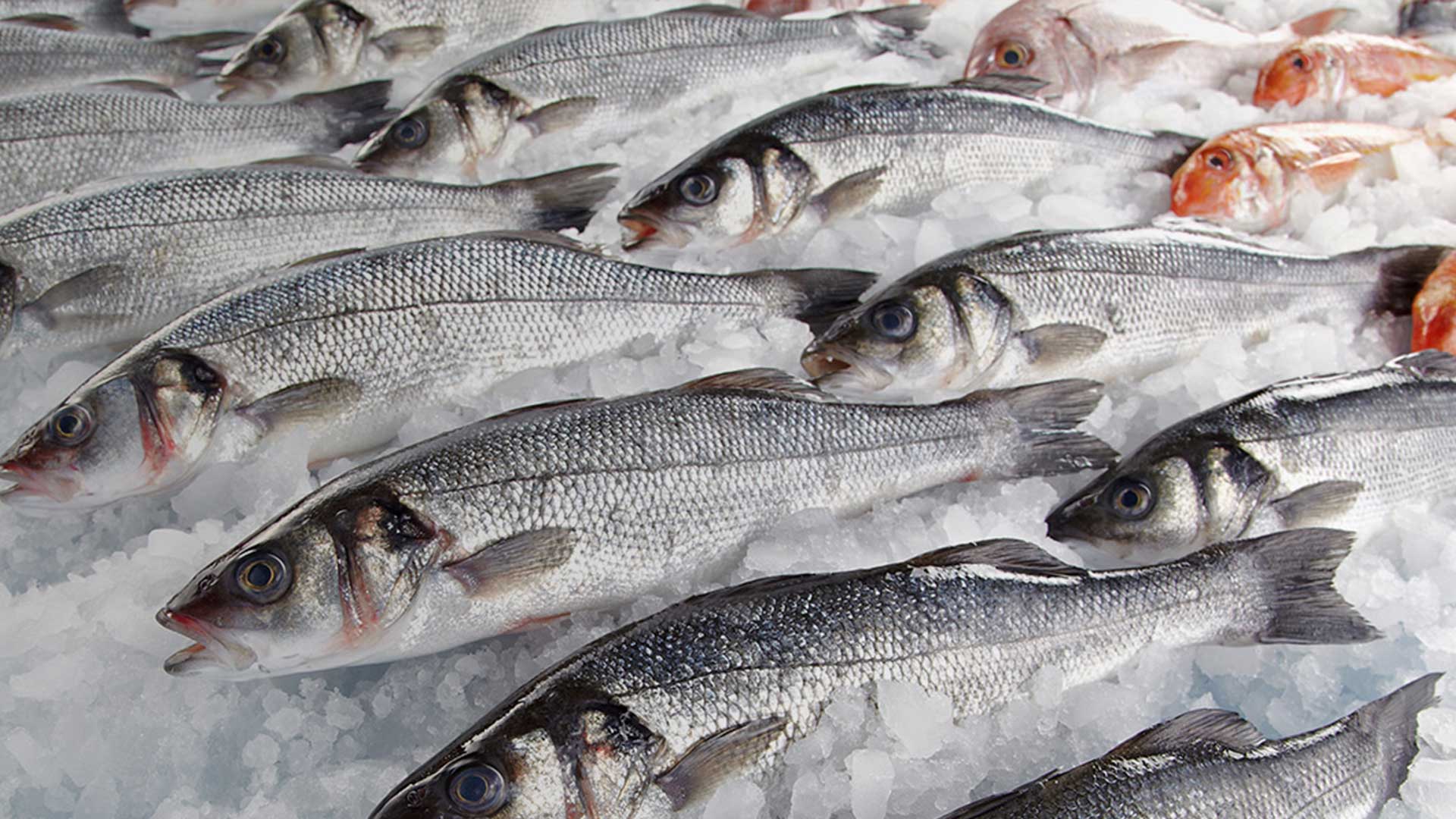
Seafood
With over 7,000 km of coastline and one of the world's largest freshwater aquaculture bases, Brazil supplies a wide range of seafood for export: tilapia (one of the country's fastest-growing aquaculture exports), shrimp, lobster, tuna, mahi-mahi, grouper, snapper, pirarucu and more. Plants are SIF-certified and approved for major markets including the EU, US, China and Japan.
Request a quoteMetals & Minerals
Iron Ore
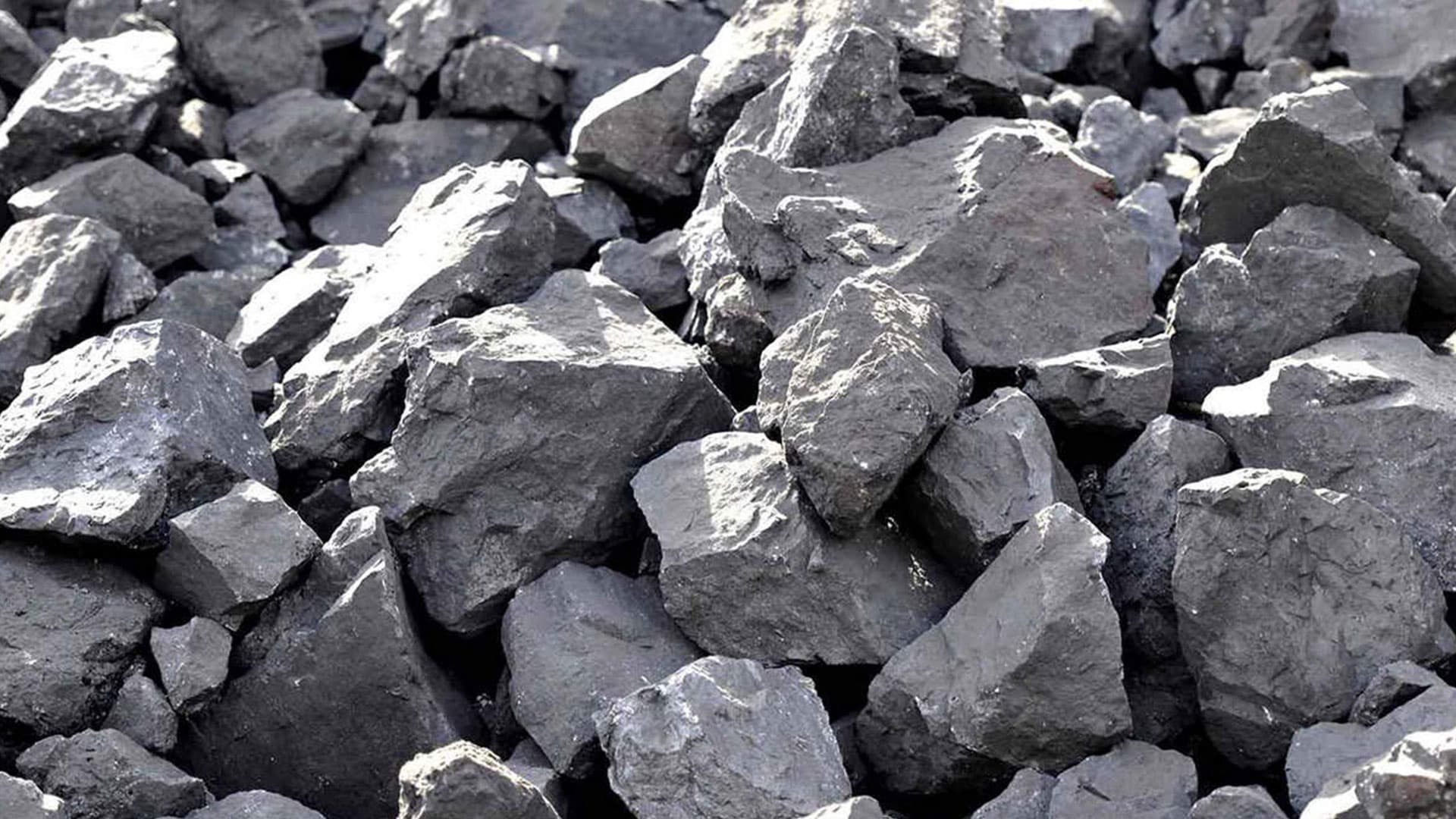
Brazil is one of the world's two largest iron-ore exporters, with production concentrated in the Carajás mineral province (Pará) and the Iron Quadrangle (Minas Gerais). Brazilian ore is prized for its high Fe content and low impurity profile, typically 62% to 65% Fe for fines and lump, making it a premium feed for steel mills in China, Japan, Korea, Europe and the Middle East.
Request a quote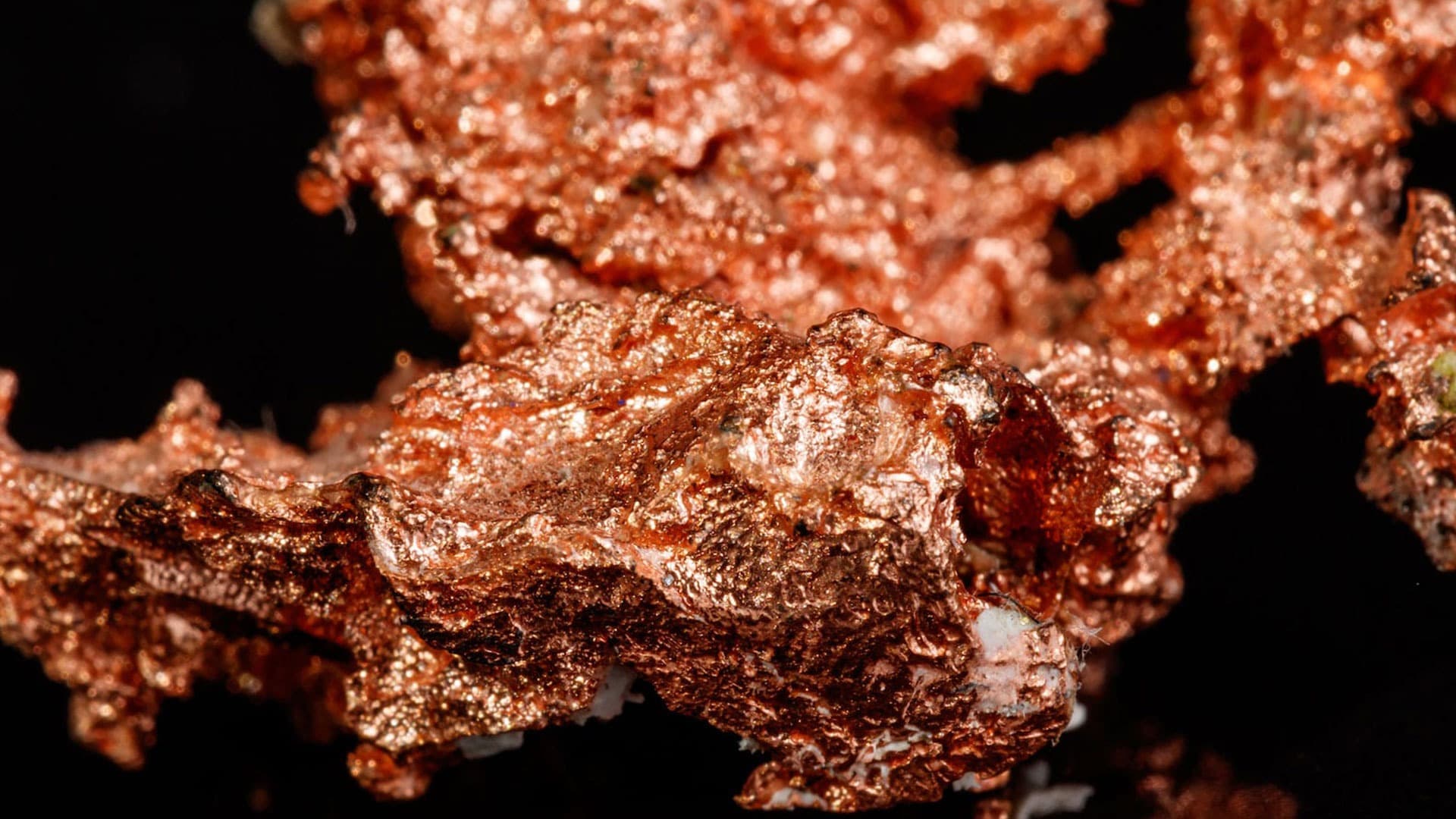
Copper Ore
Brazil is a significant copper producer, with the main operations concentrated in Pará's Carajás mineral province. The country exports copper concentrate graded for smelter feed around the world, plus growing volumes of copper cathode from domestic refineries.
Request a quote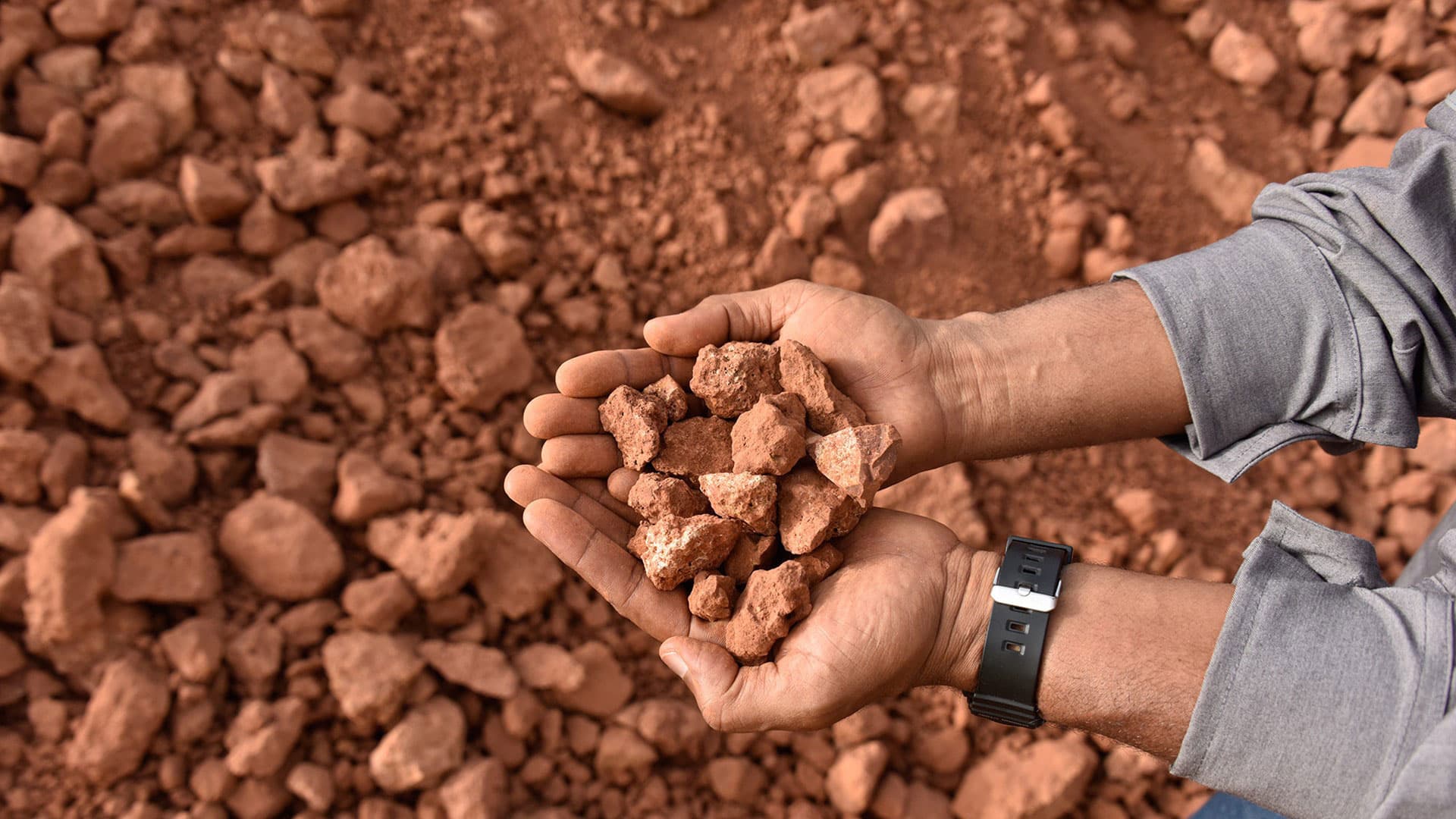
Bauxite
Brazil holds some of the world's largest bauxite reserves, with major production concentrated in Pará (Porto Trombetas, Paragominas) and Minas Gerais. Brazilian bauxite is a primary feedstock for the global alumina and aluminium industry and is shipped in large-tonnage bulk cargoes to refineries worldwide.
Request a quote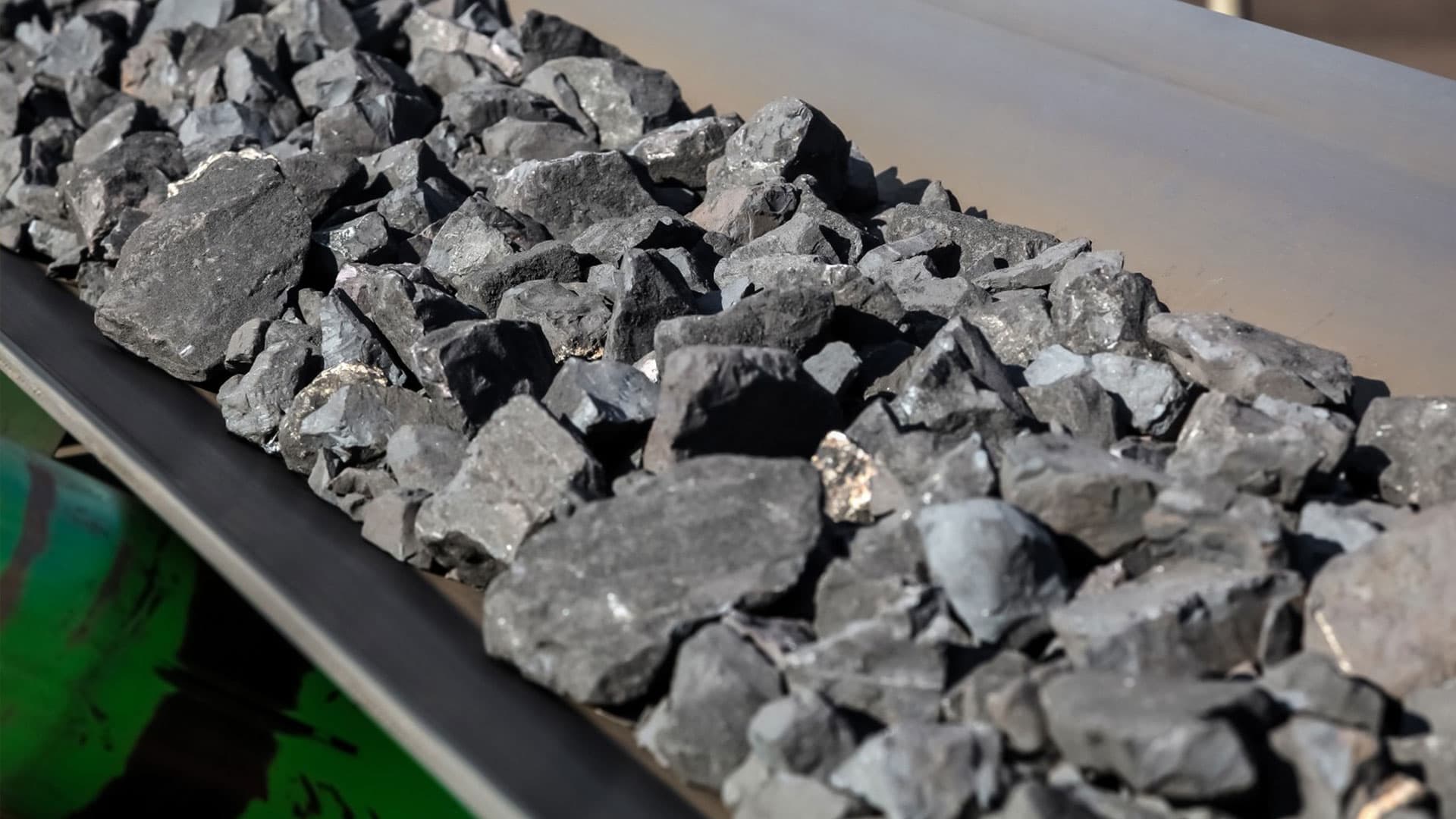
Manganese Ore
Brazil is one of the world's leading manganese producers, with major operations in Pará (Serra do Navio, Azul) and Minas Gerais. Brazilian manganese ore is a key input for steel, ferroalloys and battery markets, shipped globally in lump and sinter fines grades.
Request a quote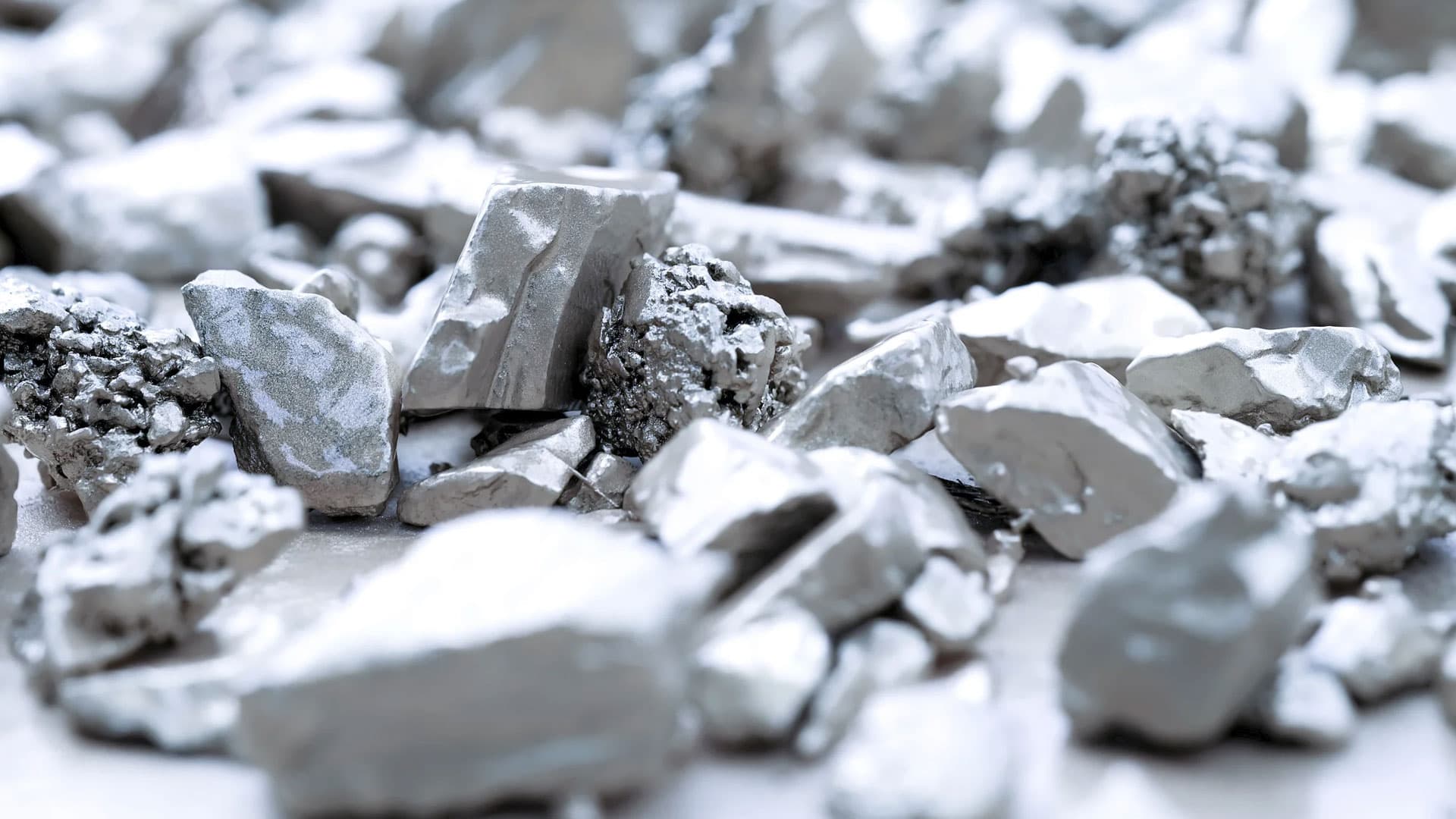
Silver
Brazil is a recognised producer of silver, typically as a by-product of base-metal mining in Minas Gerais, Pará, Bahia and Goiás, with output in the form of LBMA-compatible refined bars, doré bars from mine sites and industrial-grade granules.
Request a quoteEnergy & Fertilizers

Crude Oil
Brazil has been a net oil exporter since 2019 and is on track to be one of the world's top five energy exporters in the decade ahead. The country's offshore pre-salt fields produce a light, sweet crude that is prized by refineries in Asia, Europe and the Americas.
Request a quote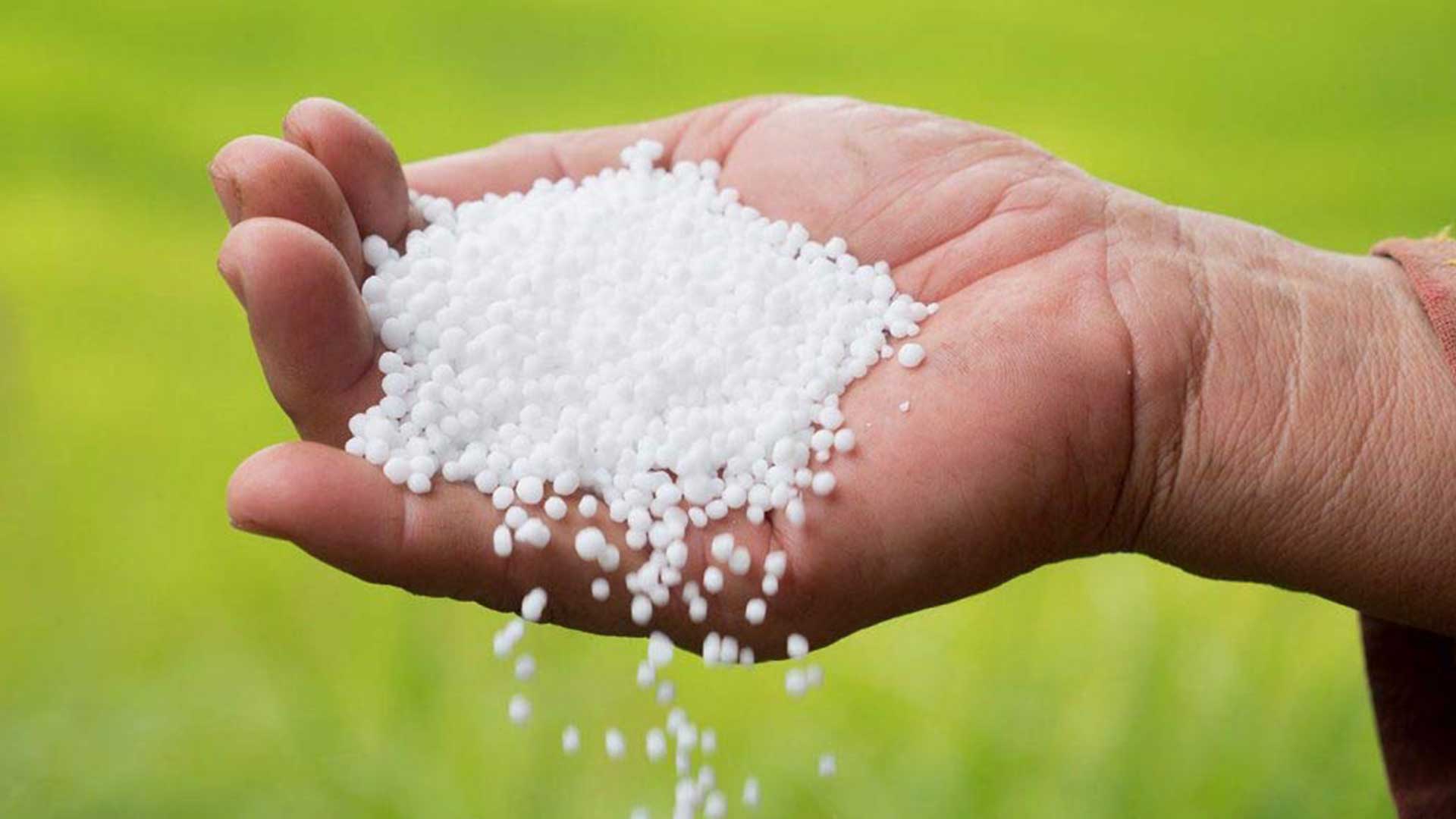
Urea Fertilizer
Urea (46% N) is the world's most widely used nitrogen fertiliser and a critical input across Brazilian cereals, coffee and sugarcane. Brazil is one of the world's largest importers of urea and, as a result, an active trade hub for cargoes moving through Latin America, with access to granular and prilled grades.
Request a quote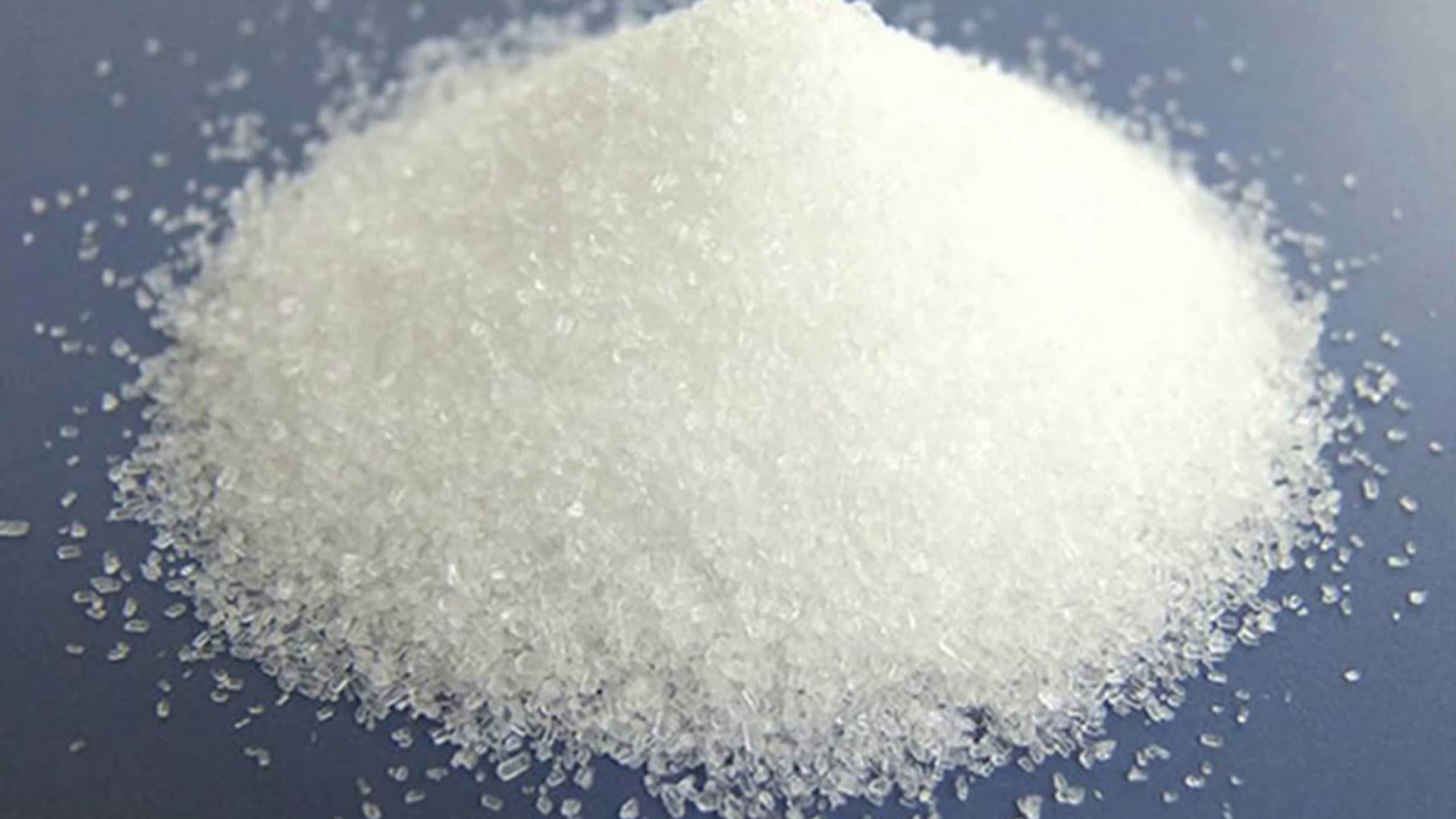
Ammonium Sulfate
Ammonium sulfate is a key nitrogen-sulfur fertiliser used across cereals, coffee, sugarcane and horticulture, and Brazil is a major hub for both production and trade. Available grades include granular, crystalline and compacted, in standard bulk or big-bag packaging.
Request a quote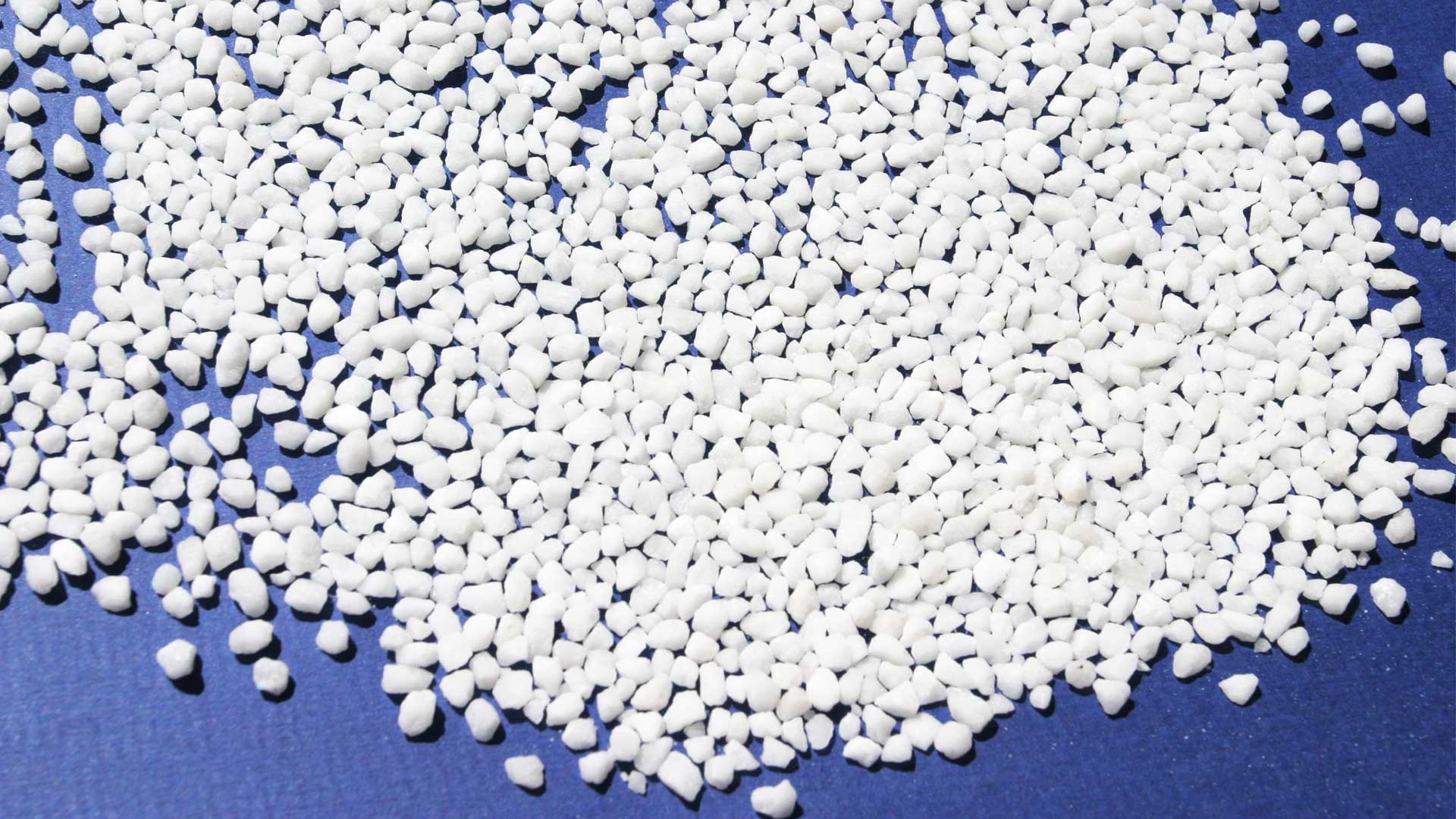
Potassium Chloride
Potassium chloride (MOP, muriate of potash) is one of the three primary macronutrient fertilisers and a critical input for Brazilian agriculture. Brazil is the world's largest importer of KCl, but the country is also an active trade hub for cargoes moving through Latin America, with access to standard, granular and compacted grades.
Request a quote