
US Spares Coffee, Oil and Fertilizers From New Brazil Tariff
Washington has carved out 471 Brazilian products from a new 12.5 percent surcharge tied to forced labor concerns. Goods not covered by the exemption list may now face a combined US tariff of 37.5 percent.
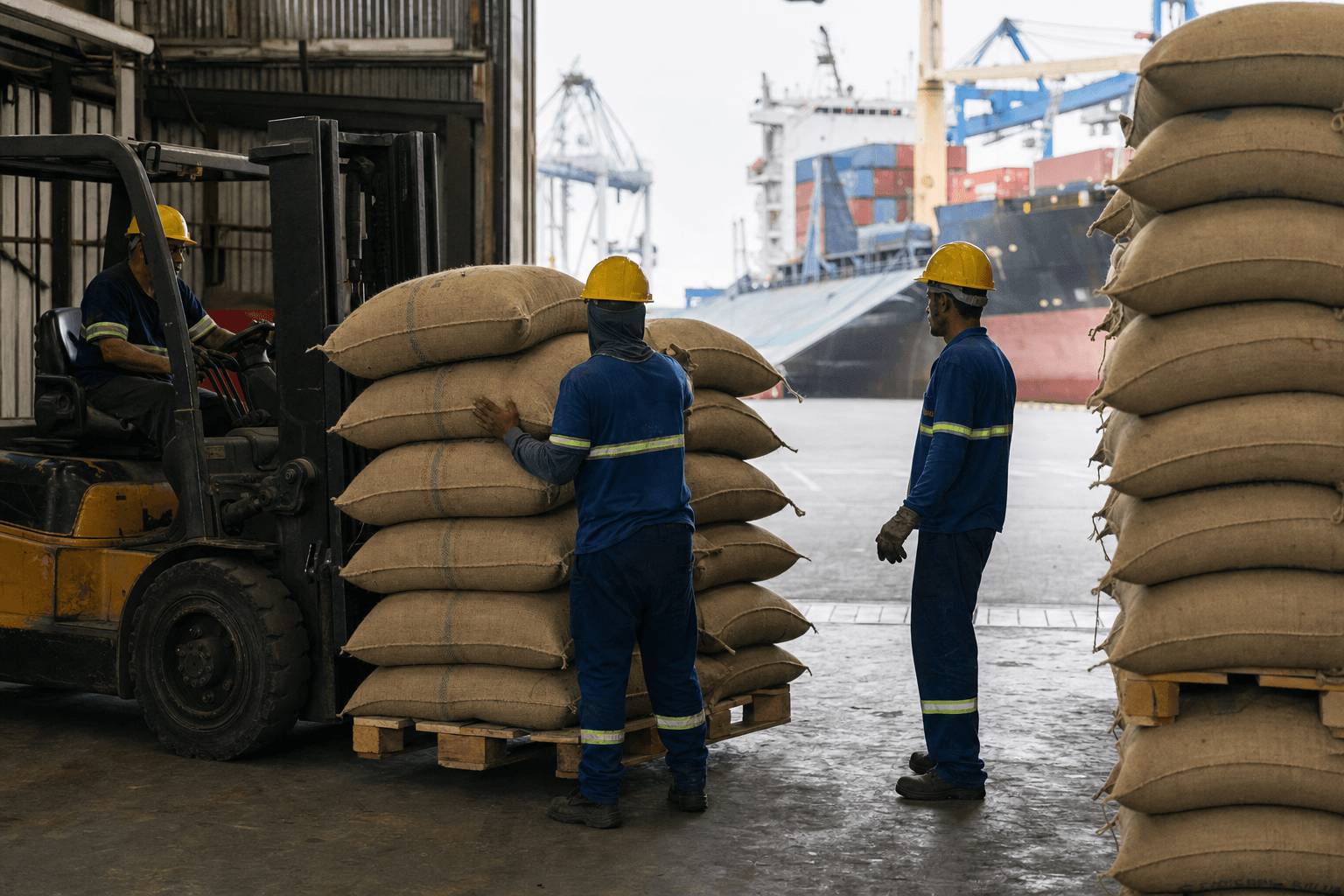
The United States has removed 471 Brazilian products from the reach of a new 12.5 percent tariff surcharge, easing the immediate blow for several of Brazil’s most commercially important exports to the American market.
The exemptions, released on Thursday, July 23, by the Office of the United States Trade Representative, known as the USTR, cover 20 broad product categories. The USTR is the US government body responsible for advising the White House on trade policy and negotiating trade measures.
The surcharge took effect in the early hours of Friday, July 24. For Brazilian goods that are not on the exemption list, the new 12.5 percent levy is added to a separate 25 percent tariff that the United States began applying on Wednesday, July 22. That means some Brazilian exports can now face a total tariff rate of 37.5 percent when entering the US market.
The tariff action follows a US investigation under Section 301 of the US Trade Act, a legal mechanism Washington uses to respond to trade practices it considers unfair or harmful to US interests. In this case, the measure is linked to US allegations that Brazil, along with other countries, lacks sufficient safeguards to prevent the import of goods produced with forced labor.
Key exports win a reprieve
The exemption list includes several products that sit at the center of Brazil-US commerce, as well as inputs that American manufacturers and industrial buyers rely on.
Among the products spared from the additional 12.5 percent surcharge are coffee, petroleum and petroleum products, natural gas, fertilizers, lumber, orange juice and açaí products. The list also includes pesticides, leather and hides, pig iron, aluminum waste and scrap, semiconductor manufacturing equipment, certain medicines and pharmaceutical ingredients, along with works of art, antiques and collectibles.
For Brazilian exporters, the carve-outs matter because they cover goods with deep supply chains on both sides of the trade relationship. Coffee and orange juice are emblematic agricultural exports. Oil, natural gas and fertilizers are linked to energy and industrial demand. Pig iron, aluminum scrap and other inputs feed into manufacturing processes that can be difficult to replace quickly without higher costs.
The inclusion of technology and pharmaceutical items also shows that the US decision was not limited to traditional commodities. Equipment used in semiconductor production and selected pharmaceutical inputs were among the goods excluded, reflecting the importance of specialized supply lines to US industry.
Why Washington kept room for exceptions
According to the USTR, the decision to exempt hundreds of products took account of several factors. These included the role of certain inputs in the US economy, existing trade commitments and the specific features of some markets.
That reasoning points to the balancing act behind the tariff measure. The United States is attempting to use trade policy to address forced labor concerns, while avoiding disruption in product categories where US buyers may have limited alternatives or where supply chains are closely integrated with Brazil.
The broader tariff pressure remains significant. Any Brazilian product outside the exemption list is exposed to the new surcharge on top of the 25 percent tariff already in force. For companies operating on thin margins, a combined 37.5 percent duty can alter pricing, contract terms and shipment decisions in short order.
Brazilian exporters will now have to determine whether their products fall within the 471 exempted categories and how customs classification will be handled in practice. For US importers, the list offers clarity in some sectors, but it also creates a sharper divide between protected supply chains and those still facing the full tariff burden.
The measure adds another layer of uncertainty to Brazil-US trade at a time when both economies remain closely connected through agricultural, energy, industrial and technology flows. Even with the exemptions, the tariff package signals that compliance, traceability and labor-related scrutiny are becoming more prominent factors in market access.
For companies weighing Brazil exposure
The exemption list narrows the damage for some exporters, but it does not remove the need for careful planning. Companies selling from Brazil into the United States, sourcing Brazilian inputs, or assessing investment in export-oriented production should review product classifications, supply chain documentation and tariff exposure before making commercial decisions.
Brazil Business Club connects investors, operators and advisers who need practical insight into Brazil’s trade and business environment. If your company is exploring Brazil as a market, supplier base or investment destination, connect with the club to follow developments and build the right local relationships.
Doing business in Brazil?
Brazil Business Club connects investors and companies from around the world with the people and opportunities driving Brazil's economy. Tell us what you are looking for and we will help you take the next step.
Reported by the Brazil Business Club newsroom, with reference to Agência Brasil.