
Seagems Wins Petrobras Offshore Support Deal Worth About $410 Million
The contract will add roughly $410 million to Seagems’ order book and reinforces Brazil’s demand for specialised offshore vessels and subsea engineering capacity.
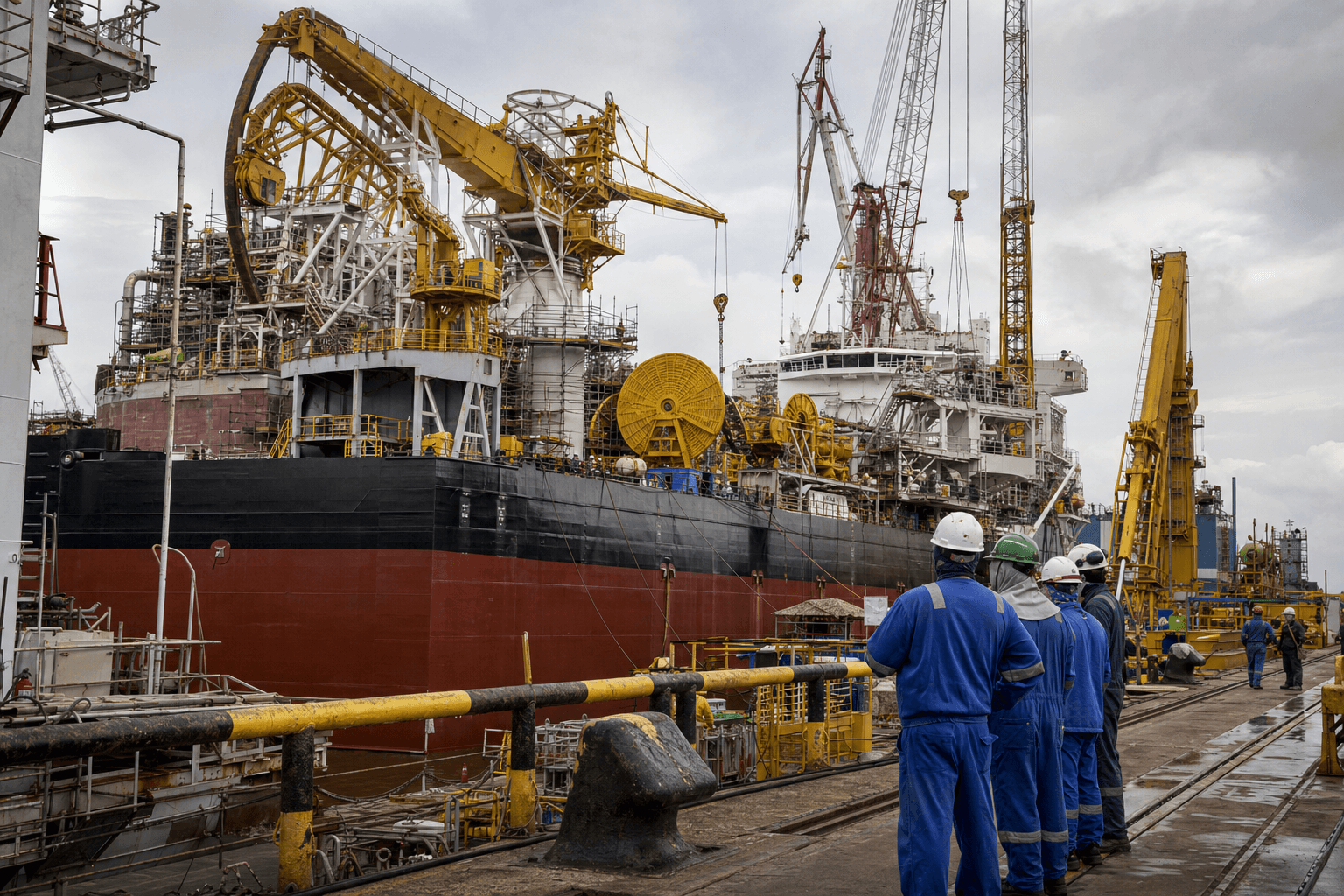
Seagems has secured a new Petrobras contract for offshore vessel support services tied to pipeline installation along Brazil’s coast, adding another sizeable project to the country’s deepwater oil and gas supply chain.
Paratus Energy Services, which owns Seagems in a joint venture with Vantris Energy Berhad, announced the agreement on Tuesday, November 17. The deal is expected to increase Seagems’ backlog by approximately $410 million. Paratus said its economic interest in that amount is 50 percent, reflecting its stake in the joint venture.
For international energy companies and investors, the award points to the continuing pull of Brazil’s offshore sector, where complex subsea work requires advanced vessels, specialised engineering and long planning horizons. Petrobras, Brazil’s federally controlled oil and gas company, remains the country’s central offshore operator and one of the most important buyers of marine services in the domestic market.
A contract built around a new deepwater vessel
The work will involve subsea engineering, installation services and other activities in Brazilian waters. Seagems will perform the contract using the Seagems Safira, a third-party vessel that Petrobras identified as “Neptune” in the tender documents.
In Brazil, a Petrobras tender notice, known locally as an “edital,” sets the terms for competitive procurement. These tenders are closely followed by suppliers because winning a Petrobras contract can secure vessel utilisation for years and often sets a benchmark for demand across the broader offshore services market.
The Seagems Safira is still under construction. It is being designed for ultradeepwater operations, with the ability to work in water depths of up to 3,000 metres. The vessel will also be fitted with a high-capacity horizontal laying system, the equipment used to install subsea pipelines and flexible lines in demanding offshore environments.
Operations under the new contract are scheduled to begin in the fourth quarter of 2028. The agreement has a four-year term, giving Seagems visibility well into the next decade.
Brazil’s offshore market keeps drawing specialised suppliers
Seagems is focused on subsea services, installation and the laying of flexible pipelines. The company already owns and operates six multifunctional vessels that support pipeline installation, and all of them are currently working under contracts in Brazil.
That existing footprint matters. Brazil’s offshore oil industry is technically demanding, with production assets located far from shore and in deep or ultradeep waters. Contractors need vessels that can combine engineering support, installation capability and reliable offshore performance. The Seagems Safira contract suggests Petrobras is continuing to line up capacity ahead of future operational needs rather than waiting until vessels are immediately available.
For vessel owners and offshore contractors, Brazil can offer long-duration demand, but it also requires patience and capital discipline. The start date in late 2028 illustrates how far in advance major offshore campaigns are organised. Suppliers must manage construction schedules, equipment specifications, financing and local operating requirements before revenue begins.
What it means for investors and suppliers
The $410 million addition to Seagems’ order book is material for a specialised offshore services company. For Paratus, the disclosed 50 percent participation means the Petrobras award has direct relevance to its own backlog exposure, while the joint venture structure also highlights the role of international partnerships in serving Brazil’s energy market.
The deal also reinforces a wider point about Brazil’s offshore ecosystem. Opportunities are not limited to oil producers. They extend to shipowners, subsea engineering firms, equipment manufacturers, marine logistics providers, maintenance companies and financiers willing to back long-cycle industrial assets.
Petrobras contracts can be strategically significant because they combine scale, technical complexity and duration. At the same time, companies entering this market need to understand Brazilian procurement practices, regulatory expectations, local contracting norms and the operational realities of working in deepwater basins.
Seagems’ latest contract does not change the basic direction of Brazil’s offshore sector, but it does offer a clear signal: major operators are still committing capital and capacity to subsea infrastructure, and specialised service providers with the right assets remain central to that investment cycle.
For companies and investors looking to evaluate opportunities in Brazil’s offshore energy supply chain, connect with Brazil Business Club to explore market entry, partnerships and investment pathways.
Doing business in Brazil?
Brazil Business Club connects investors and companies from around the world with the people and opportunities driving Brazil's economy. Tell us what you are looking for and we will help you take the next step.
Reported by the Brazil Business Club newsroom, with reference to Valor Econômico.