
Mercosur-EU tariff cuts drive early gains for Brazilian exporters
Brazilian exports benefiting from new tariff preferences in the European Union rose 21% in the first five months of provisional implementation. The gains reached far beyond agriculture, with metals, fuels and electrical equipment also posting strong advances.
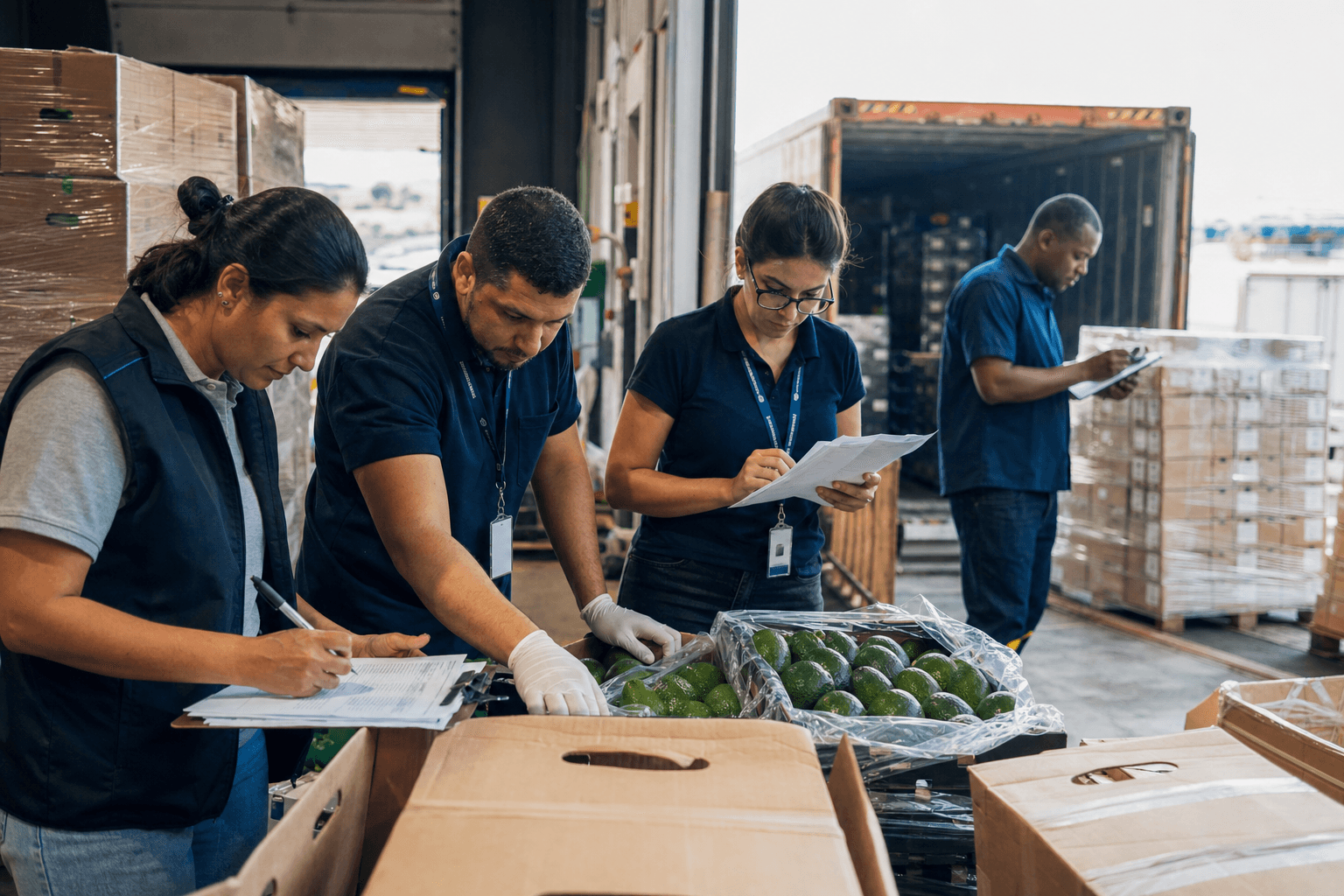
Brazilian exporters are already seeing measurable gains from the Mercosur-EU trade agreement, according to figures released by Brazil's Ministry of Development, Industry, Trade and Services.
From May through September 2026, the first five months in which the pact's trade provisions were applied on a provisional basis, Brazilian sales to the European Union of goods covered by reduced or eliminated import tariffs rose 21% compared with the same period in 2025.
For international companies, the data offer an early view of how the agreement may reshape trade flows between Brazil and Europe. Lower European import duties are improving the price position of selected Brazilian products, while also opening space for companies to review sourcing, distribution and partnership strategies.
Mercosur is the South American customs bloc in which Brazil is the largest economy. Its agreement with the European Union links two major commercial areas and is designed to reduce trade barriers over time, as well as establish rules intended to make cross-border commerce easier.
Early winners include food, metals and fuels
The strongest percentage gains came in products where tariff preferences appear to have quickly improved competitiveness in Europe. Fresh avocado exports from Brazil to the EU climbed 421% from May through September compared with the same months last year. Honey rose 367%, while corn oil increased 266%.
Several industrial and energy-related products also posted sharp advances. Brazilian exports of ferrosilicon-manganese, an alloy used in steel production, increased 173%. Raw aluminum rose 107%, fuel oils advanced 102%, and ethanol was up 95.2%.
Other notable increases included orange essential oil, up 75.8%, and fresh apples, up 29%.
The electrical equipment segment also delivered a striking result. Brazil recorded no exports of electrical transformers to the European Union in the comparable period of 2025, but shipments reached USD 39 million between May and September 2026.
That mix matters. The first trade response is not limited to traditional agribusiness products. It also points to opportunities for manufacturers, energy suppliers and companies involved in industrial inputs, especially where Brazil can combine scale, natural resources and improving market access.
A deal more than two decades in the making
The Mercosur-EU negotiations began in 1999 and stretched across more than 20 years. The agreement documents were signed in January 2026, and the provisional application of trade provisions began on May 1.
The treaty provides for the gradual reduction or elimination of import tariffs. It also creates rules to facilitate and expand trade among participating countries, an important factor for companies that must manage customs procedures, certification, logistics and compliance across multiple jurisdictions.
Together, the participating markets cover about 720 million people and represent combined gross domestic product of more than USD 22 trillion. For Brazil, the European Union is already one of its leading trade partners, making even incremental tariff changes commercially significant.
The early export data suggest that tariff preferences can translate rapidly into sales when Brazilian suppliers have product availability and channels into the European market. The effect may become broader as more companies adapt contracts, distribution agreements and investment plans to the new conditions.
For European buyers, the agreement may widen the pool of competitive Brazilian suppliers. For Brazilian companies, it creates a stronger case for meeting EU standards and building long-term commercial relationships in a market that values reliability, traceability and regulatory compliance.
What investors should watch next
The five-month figures are an initial snapshot rather than a full assessment of the agreement's long-term impact. Seasonal factors, commodity prices, exchange rates and supply conditions can all influence export performance.
Still, the breadth of the gains is notable. The increases span fruit, honey, oils, metals, fuel products, ethanol and electrical equipment. That suggests the agreement may support a more diversified export profile for Brazil, not just higher volumes in a single category.
Companies considering Brazil should watch which sectors continue to benefit as tariff reductions progress and as exporters become more familiar with the agreement's rules. Logistics capacity, certification processes, European distribution partnerships and financing for export-oriented production will be important areas to monitor.
For investors, the opportunity is not only in selling Brazilian products to Europe. It may also lie in services and infrastructure around trade, including warehousing, quality control, cold chain logistics, industrial processing and export finance.
Brazil Business Club helps international companies and investors understand Brazil's commercial landscape, identify credible partners and evaluate market entry opportunities. If you are looking to invest in or do business with Brazil, connect with Brazil Business Club.
Doing business in Brazil?
Brazil Business Club connects investors and companies from around the world with the people and opportunities driving Brazil's economy. Tell us what you are looking for and we will help you take the next step.
Reported by the Brazil Business Club newsroom, with reference to Agência Brasil.