
M. Dias Branco moves into frozen bread with Grespan deal
The Brazilian pasta and biscuit group is buying 80% of Grespan, a São Paulo frozen bakery supplier, as it seeks to consolidate a fragmented market. The transaction adds a higher margin outlet for its wheat chain and opens a new growth front with supermarkets and bakeries.
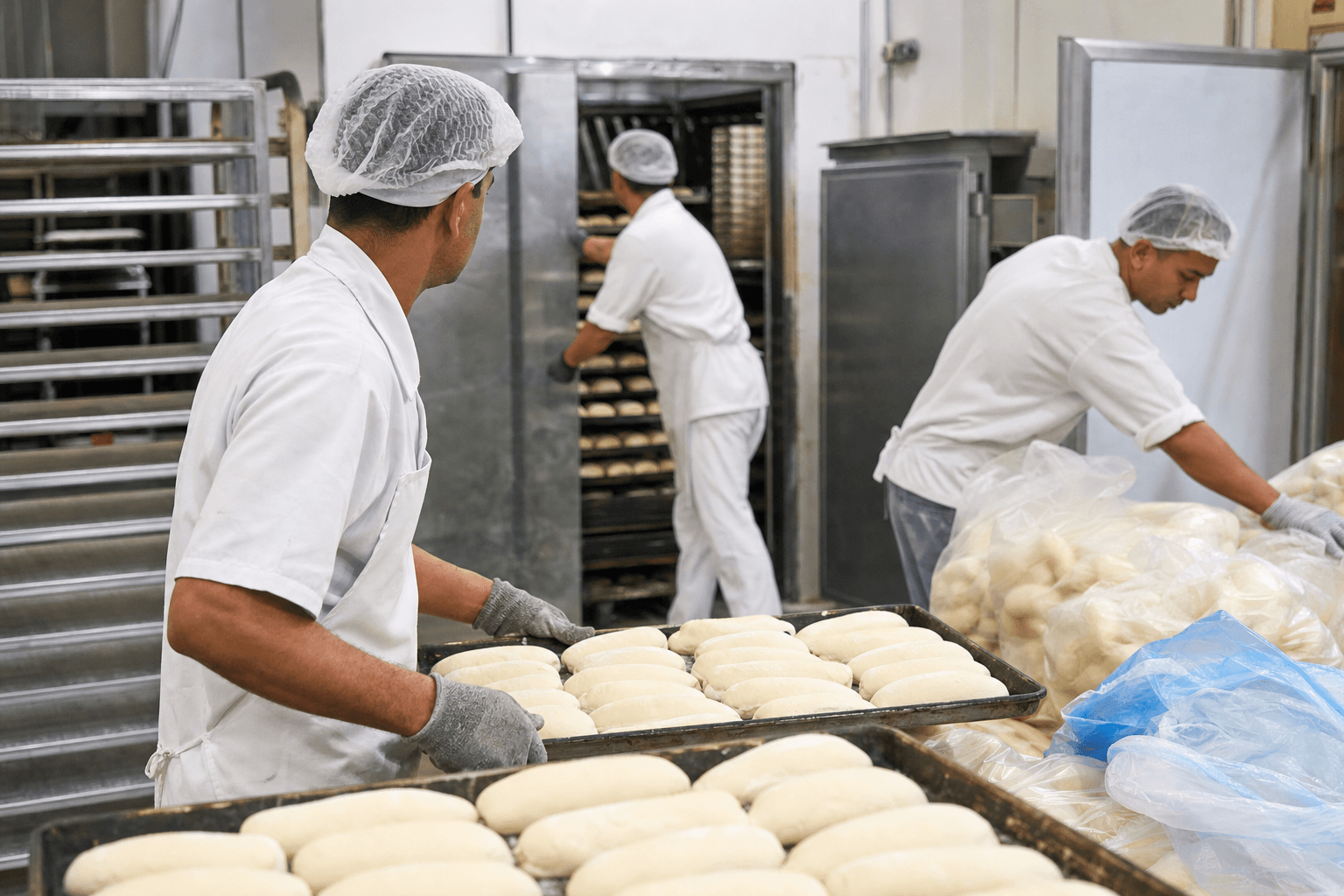
M. Dias Branco, one of Brazil’s largest food manufacturers, is entering the frozen bread market with the purchase of an 80% stake in Grespan, a bakery products company based in Marília, in the state of São Paulo.
The deal, announced on Friday, October 16, gives the maker of pasta, biscuits and wheat flour a new position in Brazil’s bread supply chain. The price was not disclosed. Completion still requires clearance from Cade, Brazil’s antitrust authority, formally known as the Administrative Council for Economic Defense. M. Dias Branco expects the transaction to close in 2026.
Grespan was founded in 2009 and generated gross revenue of R$ 138.7 million in 2025. It serves more than 1,100 customers, mainly supermarkets, cash and carry retailers and bakeries in Brazil’s Southeast, the country’s most developed consumer region. Its range includes more than 60 products, and its business model goes beyond selling frozen bread. The company also provides equipment and technical assistance to clients.
Gustavo Theodozio, M. Dias Branco’s vice president for investments, controllership and investor relations, told Valor that the company intends to play a leading role in the sector’s consolidation. “We are entering to lead this consolidation process,” he said. “Other steps will certainly come. This is only the first.”
A higher value link in the wheat chain
For M. Dias Branco, the acquisition is not just a diversification move. It is a way to capture more value from wheat, a raw material already central to its operations.
The company owns seven mills and supplies flour to bakeries and supermarkets, including retailers that bake bread in their own stores. With Grespan, it will be able to sell frozen bread and other bakery items that clients can finish in ovens on site.
“The company buys wheat, mills it and sells flour. Now we are going to add value to this stage of the chain,” Theodozio said.
That vertical logic matters for investors. M. Dias Branco already has commercial relationships with large retail chains, including Atacadão and Assaí, two major Brazilian cash and carry operators. Grespan’s model could allow the group to deepen those accounts by supplying ready to bake products, freezers, ovens and operational support. Fábio Cefaly, the company’s investor relations and new business director, said Grespan’s operation includes installing ovens and freezers at customer locations, as well as technical support.
Theodozio also said the acquired business has better margins than wheat flour, is similar to pasta, and stands above M. Dias Branco’s average margin. The company did not provide expected revenue contribution for 2027, noting that its budget is still under discussion.
Labour shortages reshape bakery operations
The push into frozen bread comes as Brazil’s bakery market is changing. According to Ideal, the Institute for the Development of Food Companies, the Brazilian bakery sector posted revenue of R$ 164.12 billion in 2025. But the sector is also facing labour constraints, with around 92,000 jobs lost during the year, an 8.52% decline.
Theodozio argued that large retailers are under pressure to reduce in house bread production because it requires bakers to work during the early hours and makes standardised quality harder to maintain. “With the shortage of labour in Brazil, it is becoming increasingly complicated to find this type of professional,” he said.
That trend is visible in the revenue mix of bakeries. Ideal’s data show that products made in house accounted for 70.66% of bakery revenue in 2020, falling to 68.12% in 2025. Resale of third party products moved in the opposite direction, rising from 29.34% to 31.88% over the same period. That shift favours suppliers of ready made or semi prepared food products.
Growth is still positive, but slower. Bakery revenue rose 6.8% in 2025, compared with 10.92% in 2024. Customer numbers increased 1.27%, while the average ticket rose 5.46%, according to Ideal.
Supermarket bread sales remain resilient. Scanntech, a retail data company that tracks food sales through store checkouts, found that revenue from French bread in supermarkets rose 9.8% from January to September 2026 compared with the same period a year earlier. Volumes increased 4%.
São Paulo first, Northeast later
M. Dias Branco plans to begin expansion in São Paulo, Brazil’s largest consumer market, before taking the business to the Northeast, the region where the company started. “The company began in the Northeast. Now we are doing the reverse, starting where the consumer market is,” Theodozio said.
Grespan still has unused production capacity, although M. Dias Branco is already evaluating investments in land and more automated equipment to support growth. The company did not disclose planned capital expenditure.
Grespan’s founders will retain a 20% stake for at least five years. Keeping them involved is intended to preserve sector knowledge as M. Dias Branco learns the business and prepares for a broader rollout. “Because this is a business we do not know, it is very important to start this expansion work across Brazil with people who understand the sector,” Theodozio said. The future of the remaining stake after that period has not yet been defined.
M. Dias Branco had been studying the bakery market since 2020, but delayed the move while it pursued other priorities, including the acquisition of Jasmine, a healthy food brand, and entry into Uruguay as part of its internationalisation strategy. “We thought doing everything at the same time then would bring too much complexity,” Theodozio said.
The announcement came on World Bread Day, two days before M. Dias Branco marked 20 years as a publicly traded company.
For international companies and investors, the deal highlights a familiar Brazilian theme: fragmented food categories, operational bottlenecks in retail, and room for larger players to professionalise supply. If you want to invest in or do business with Brazil, connect with Brazil Business Club to understand the market, partners and opportunities ahead.
Doing business in Brazil?
Brazil Business Club connects investors and companies from around the world with the people and opportunities driving Brazil's economy. Tell us what you are looking for and we will help you take the next step.
Reported by the Brazil Business Club newsroom, with reference to Valor Econômico.