
Lower Power Bills Pull Brazil’s October Inflation Down to 0.14%
Brazil’s official consumer inflation eased sharply in October, helped by cheaper electricity and transport. The 12 month IPCA remains above the government’s target range, keeping monetary policy and pricing decisions in focus for investors.
Brazil’s headline inflation slowed more than expected in October, offering temporary relief to consumers and companies after a hotter September reading. The IPCA, the country’s official consumer price index, rose 0.14 percent in the month, according to figures released on Thursday, November 12, by IBGE, Brazil’s national statistics agency.
That was a marked deceleration from September, when inflation reached 0.82 percent. It also came in below the 0.27 percent projected by economists in the Central Bank’s Focus survey, a weekly poll that tracks financial market expectations and is closely watched by banks, corporates and policymakers.
For international investors, the monthly improvement matters, but it does not remove Brazil’s inflation problem. In the 12 months through October, IPCA reached 4.63 percent, above the ceiling of the official target range.
Inflation is cooler, but still outside target
Brazil’s inflation target is set by the National Monetary Council, known as CMN, the body that defines key monetary policy guidelines. The centre of the target is 3 percent, with a tolerance band of 1.5 percentage points in either direction. In practice, that means inflation is considered within target if it remains between 1.5 percent and 4.5 percent.
Since the start of 2025, Brazil has assessed the target on a rolling 12 month basis, rather than looking only at the December figure. Under the current rule, the target is considered missed if inflation stays outside the tolerance band for six consecutive months.
October was the second month in a row above the upper limit. September’s comparable reading had stood at 4.58 percent.
Fernando Gonçalves, a research manager cited in the IBGE release, said that for the IPCA to close 2026 at the 4.5 percent ceiling, inflation over November and December combined would need to be no more than 0.39 percent.
Market forecasts remain higher than that. The Focus survey points to a 5.22 percent IPCA by year end, while the Ministry of Finance expects 4.9 percent.
Electricity and transport brought the relief
The biggest downward contribution in October came from housing costs. The housing group fell 0.51 percent, the steepest October decline since 2019.
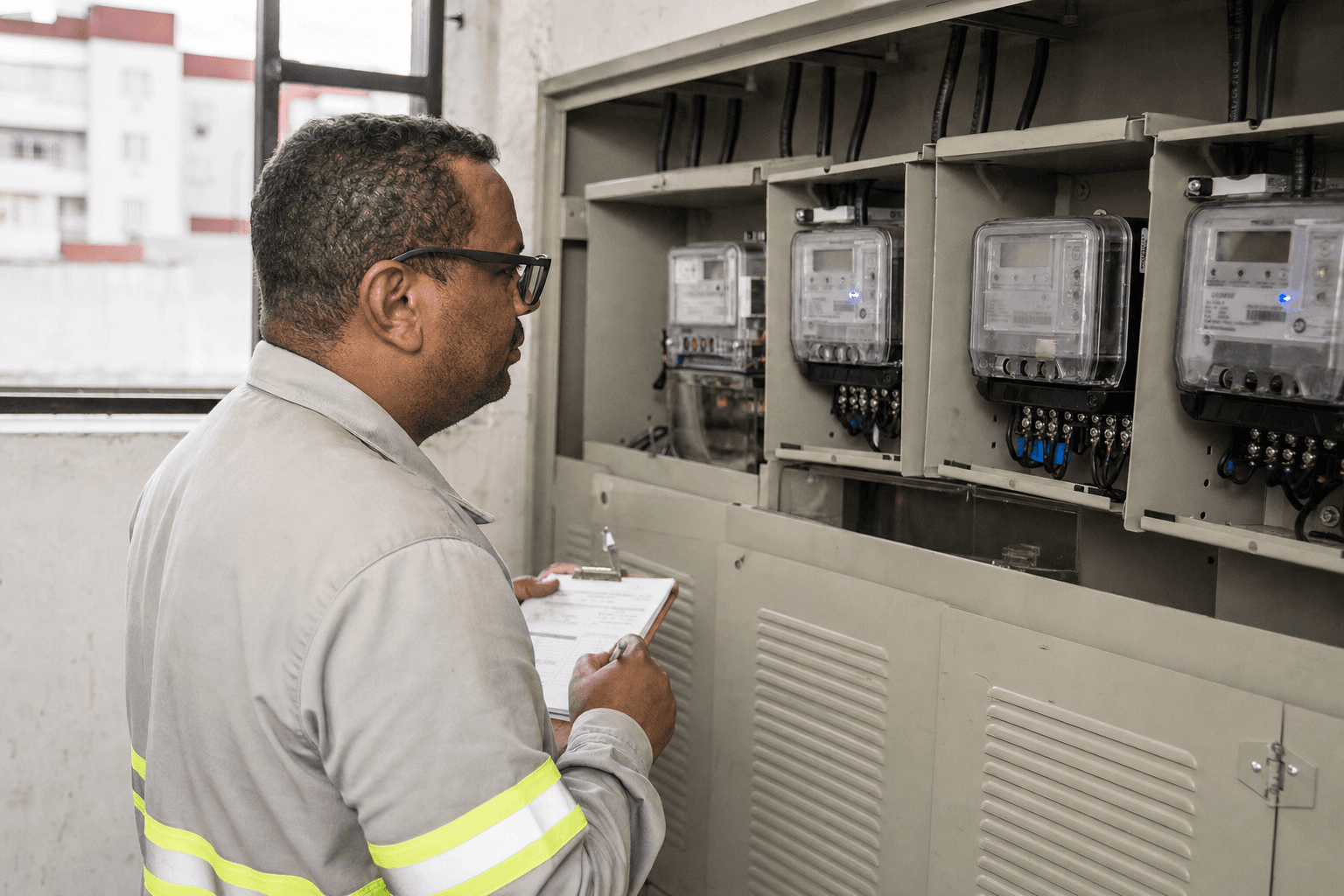
Electricity was central to that result. Residential power bills dropped 1.92 percent, subtracting 0.08 percentage points from the overall index. IBGE noted that electricity was the item exerting the strongest downward pressure across the full basket.
The move was linked to Brazil’s electricity tariff flag system, which adds or removes charges on bills according to power generation conditions. In October, the flag moved from yellow to green, removing an extra charge of BRL 1.885 for every 100 kilowatt-hours consumed. For foreign companies operating in Brazil, the mechanism is a reminder that regulated prices can have a visible effect on monthly inflation readings, especially in a country where electricity costs feed into both household budgets and operating expenses.
Transport prices also fell, down 0.59 percent. That was the sharpest October decline for the category since the introduction of the Real Plan in 1994, the stabilization programme that created Brazil’s current currency and ended years of hyperinflation.
Airfares dropped 9.21 percent in the month, while fuels fell 0.31 percent as a group. Gasoline prices were down 0.56 percent and vehicular gas declined 0.46 percent. Gasoline is the single subitem with the largest weight in the IPCA consumption basket, making even modest shifts relevant to the headline number. Diesel, however, increased 1.66 percent, and ethanol rose 1.02 percent.
Food pressure remains a warning sign
The softer headline did not mean broad-based disinflation. Food and beverages rose 1.04 percent in October, while food consumed at home increased 1.31 percent.
According to IBGE, supply conditions and freight costs were part of the story. “Weather-related issues, such as excessive rainfall, are affecting the supply of certain products, just as higher diesel prices are putting pressure on the production chain, impacting product prices for the end consumer,” Gonçalves said.
The IPCA measures the cost of living for families earning between one and 40 minimum wages, Brazil’s statutory monthly wage benchmark. Prices are collected in ten of the 77 metropolitan regions defined in the country, including the two largest urban centres, São Paulo, with 20 million residents, and Rio de Janeiro, with 12 million.
For companies and investors, October’s figures point to a mixed operating environment. Energy and transport provided near term relief, but food costs, regulated tariffs and fuel dynamics remain important variables for pricing, margins and interest rate expectations.
If your company is assessing investment, expansion or partnerships in Brazil, connect with Brazil Business Club for market intelligence and support in navigating the country’s business landscape.
Doing business in Brazil?
Brazil Business Club connects investors and companies from around the world with the people and opportunities driving Brazil's economy. Tell us what you are looking for and we will help you take the next step.
Reported by the Brazil Business Club newsroom, with reference to Agência Brasil.