
EU animal product ban puts US$1.84 billion of Brazilian exports in play
The European Union’s new restrictions on Brazilian animal products affect beef, poultry and other exports after Brussels said it needed stronger assurances on antimicrobial controls. A European inspection of Brazil’s poultry and honey systems has raised limited hopes for a sector by sector reopening.
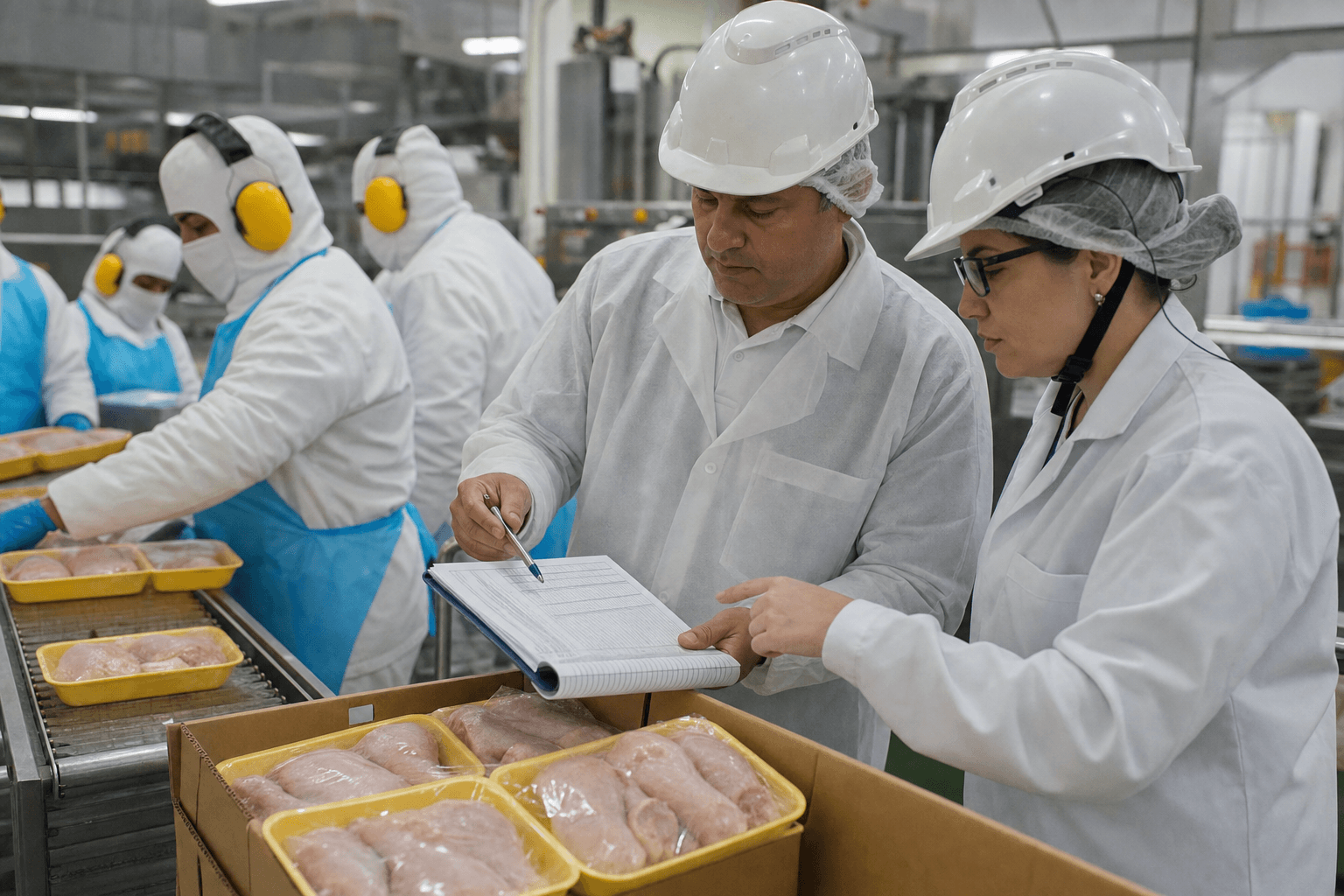
The European Union’s embargo on Brazilian products of animal origin came into force on Thursday, placing about US$1.84 billion in 2025 export sales under restriction and adding a new compliance risk for one of Brazil’s most important agribusiness sectors.
The measure mainly hits meat shipments. According to figures from Brazil’s Ministry of Agriculture, beef accounted for US$1.05 billion of the affected exports last year, while poultry represented US$763 million. For Brazil, the EU is not the largest volume destination, but it is a premium market that buys higher value cuts and products.
The EU, a 27 country bloc with common food safety and sanitary rules, says Brazil has not provided sufficient government level guarantees that antimicrobials banned by European regulations are absent from production systems. Because of that, Brazil was left out of a list of countries authorised to supply the covered animal products.
A premium market, not an easy replacement
The numbers show why the dispute matters beyond headline trade volumes. The EU bought 5.8% of Brazil’s beef export revenue in 2025 and around 8% of its poultry exports. European buyers are important because they tend to demand specific, higher margin cuts rather than commodity protein alone.
Abiec, the Brazilian beef exporters’ association, described Europe as a strategic destination because of the value and product mix involved. In a translated statement, the group said there is “no automatic replacement for the European market, since different destinations demand different products and cuts.”
For poultry companies, the commercial impact is also concentrated in value added items. ABPA, the Brazilian Animal Protein Association, has previously pointed to possible revenue losses because European buyers import products such as chicken breast, which typically command stronger margins.
From January to July 2026, Brazil exported about US$560 million in beef to the EU, with Italy, the Netherlands, Spain and Germany among the main destinations, according to government data. Poultry shipments to the bloc totalled US$680 million in the same period, mainly to the Netherlands, Spain and Germany. Those 2026 revenues are recovering from a weaker 2025, when Brazil faced restrictions linked to an avian flu case at a commercial farm.
Why Brussels is focused on antimicrobials
The European restrictions are tied to production controls rather than findings of unsafe Brazilian meat in the market, according to specialists cited in the source material. The EU prohibits substances that may promote animal growth and also bars the use in livestock production of antimicrobials reserved for human medicine, including certain antibiotics.
The policy reflects a wider public health concern. Excessive use of drugs in animals can contribute to resistant bacteria, making some human infections harder to treat. For exporters, that turns farm level medication records, veterinary oversight and official verification into market access issues.
Brazilian industry groups say their systems are already aligned with European requirements. ABPA says the country’s poultry sector fully meets all EU conditions for chicken imports, although European officials say the Brazilian state has not supplied the necessary proof. Abiec says it has created a private control protocol for antimicrobial use that is part of Brazil’s official assurances, and that all Abiec member companies approved for the European market have joined it.
The distinction between private protocols and state guarantees is central for investors to watch. Large meat groups may have sophisticated controls inside their own supply chains, but regulators in Brussels are assessing whether national oversight is sufficient across the production base.
Inspection offers poultry a narrow opening
Brazil has been trying to reverse or narrow the embargo since it was announced in May. The talks have reached the presidential level, with President Luiz Inacio Lula da Silva discussing the issue with European Commission President Ursula von der Leyen. The two sides have considered creating a bilateral mechanism to identify obstacles in trade involving animal products.
As part of those negotiations, European technical inspectors visited Brazil this week to review poultry and honey production systems. The mission is due to end on Friday. A European Commission spokesperson indicated that immediate decisions are not expected, as inspectors must first prepare their findings.
Brazilian officials have had greater hopes for a faster solution in poultry than in beef. Chickens have a short production cycle of about 42 days, making it easier, in theory, to demonstrate compliance over a complete cycle. Cattle live for a little over two years before slaughter, and Brazil’s beef supply chain is more fragmented, with many suppliers feeding into slaughterhouses. Poultry production is generally more integrated between growers and processors, which can simplify monitoring.
For international companies and investors, the case is a reminder that Brazil remains a global protein powerhouse, but access to premium markets increasingly depends on traceability, veterinary controls and government documentation. Brazil is the world’s largest exporter of beef and chicken and is home to major meat companies including JBS, MBRF and Minerva, all with operations beyond Brazil in North and South America.
Businesses assessing Brazil’s agribusiness sector should follow not only export volumes, but also regulatory diplomacy with Brussels and the ability of public and private systems to prove compliance. For guidance on investing in or doing business with Brazil, connect with Brazil Business Club.
Doing business in Brazil?
Brazil Business Club connects investors and companies from around the world with the people and opportunities driving Brazil's economy. Tell us what you are looking for and we will help you take the next step.
Reported by the Brazil Business Club newsroom, with reference to InfoMoney.