
Eneva raises up to R$3 billion from future power revenues
Brazilian energy company Eneva has completed a receivables transaction tied to its Porto de Sergipe I thermal power plant. The funds will support its investment pipeline, including projects awarded in Brazil's 2026 capacity reserve auction.
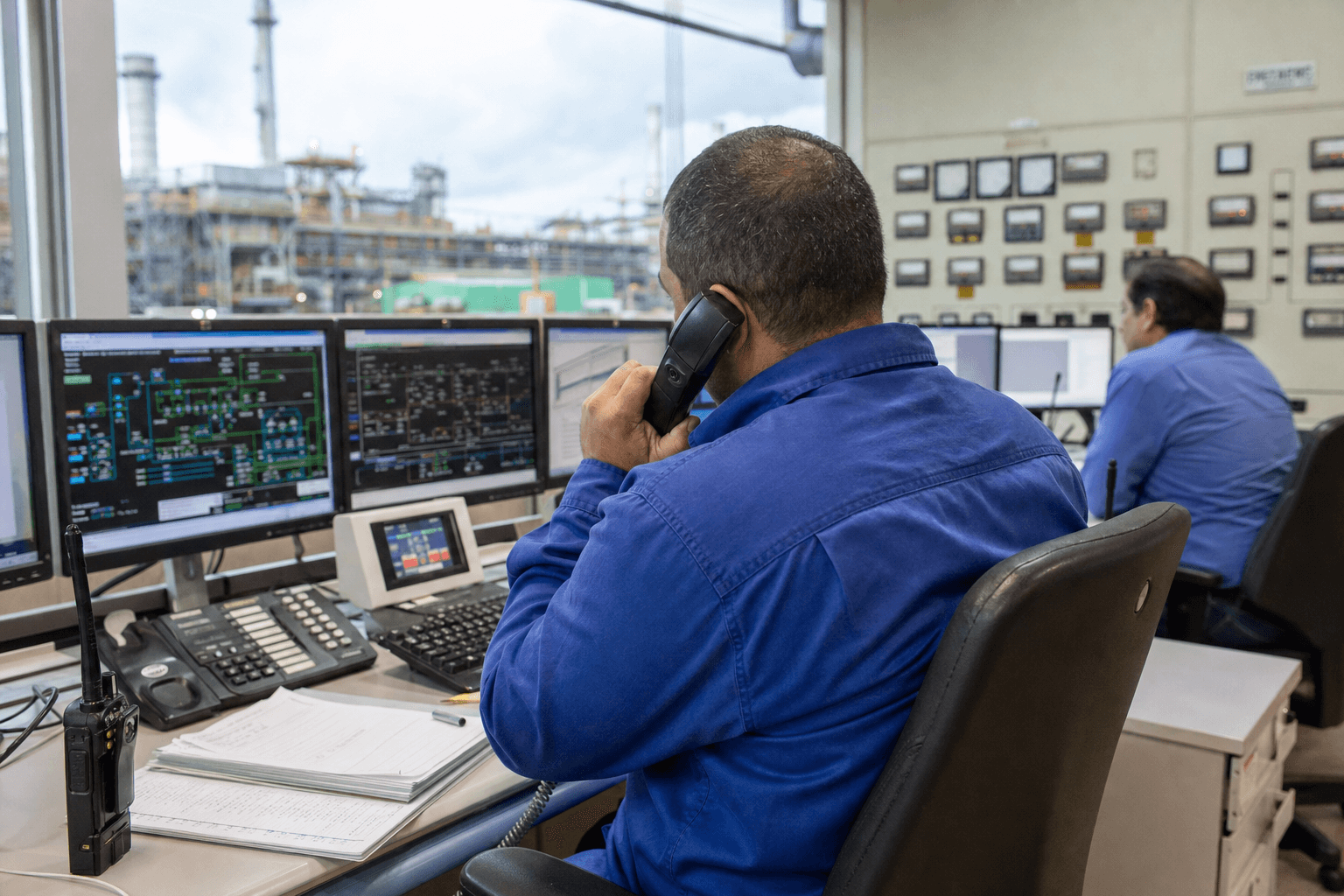
Eneva has completed a transaction to bring forward future cash flows from the Porto de Sergipe I thermoelectric plant, giving the Brazilian power company access to as much as R$3 billion in net proceeds.
The company announced the deal on Friday, August 21. The structure involves the transfer of part of the credit rights linked to fixed revenues from regulated power sale contracts at Porto de Sergipe I. The revenues covered by the transaction relate to the period from 2030 to 2035.
For international investors, the deal is a useful window into how Brazilian energy companies are financing growth. Instead of relying only on fresh equity or conventional corporate debt, Eneva is monetising predictable contracted income from an operating generation asset. The proceeds, according to the company, will be used entirely for investments in its project portfolio.
How the transaction works
Eneva said the receivables were assigned to investment funds focused on credit rights, known in Brazil as FIDCs, or Fundos de Investimento em Direitos Creditórios. These vehicles are widely used in the Brazilian capital market to purchase or finance streams of receivables from companies, often converting future cash flows into immediate liquidity.
The cost of the operation was equivalent to DI plus 0.81 percent per year. DI is Brazil's main interbank deposit rate and is commonly used as a benchmark for floating-rate corporate financing, much as investors in other markets might refer to overnight or short-term money market rates.
The receivables come from fixed revenue under regulated electricity contracts. In Brazil's power market, fixed revenue from contracted generation can provide a relatively visible cash flow profile, particularly when contracts are awarded through official auctions and backed by long-term obligations in the regulated environment.
Eneva said the revenue assigned in the deal is connected to contracts created in the 2015 A-5 new energy auction. In Brazil, an A-5 auction contracts energy supply five years before delivery begins, allowing developers time to build or prepare generation assets. The contracts tied to the Porto de Sergipe I revenue stream run until 2044.
Funding a new cycle of projects
The company stated that all funds raised will go to investments, including new projects contracted under the 2026 capacity reserve auction. Brazil uses capacity reserve auctions to secure generation availability for the electricity system, not only energy output. The mechanism is designed to help ensure reliability, especially at times of peak demand or when intermittent sources are not producing enough.
That distinction matters in Brazil. The country has a large base of hydropower and has expanded wind and solar generation, but dispatchable capacity remains important for system security. Thermal plants, including gas-fired assets, can play a role in providing firm capacity when the grid needs it.
Porto de Sergipe I is a thermoelectric power plant, and the asset sits within a segment that continues to attract attention from infrastructure investors, lenders and strategic operators. Contracted generation assets can be appealing because their revenues may be less exposed to short-term spot-market volatility than merchant power projects, although they still carry operational, regulatory and financing risks.
For Eneva, the receivables transaction also points to a broader pattern in Brazil's infrastructure market. Companies with long-dated contracted cash flows are increasingly able to structure financing around those contracts, giving them flexibility to recycle capital into new projects without necessarily selling core assets.
What investors should watch
The headline figure, up to R$3 billion, is significant in a sector where new capacity projects require substantial upfront capital. The pricing, DI plus 0.81 percent per year, also signals the value investors assign to contracted receivables from regulated power arrangements.
The key questions now are execution and capital allocation. Eneva has said the money will be directed to investments, including projects won in the 2026 capacity reserve auction. Investors will want to track how quickly those projects move forward, how the company manages construction and operating risk, and whether the financing structure improves returns without placing excessive pressure on future cash flows.
For foreign companies assessing Brazil's energy market, the transaction underlines the depth and sophistication of local financing tools. FIDCs, regulated auctions, indexed debt costs and long-term power contracts are central features of the market. Understanding how they interact is essential for anyone looking to invest, partner or compete in Brazilian infrastructure.
If your company is evaluating investment opportunities or commercial partnerships in Brazil, connect with Brazil Business Club to understand the market, the players and the practical route to doing business in the country.
Doing business in Brazil?
Brazil Business Club connects investors and companies from around the world with the people and opportunities driving Brazil's economy. Tell us what you are looking for and we will help you take the next step.
Reported by the Brazil Business Club newsroom, with reference to Valor Econômico.