
Copel clears R$21.1 billion investment plan for 2027 to 2030
The Paraná energy company’s board has approved a multiyear capital programme worth R$21.1 billion. The decision gives investors an early signal on Copel’s spending plans for the next regulatory and infrastructure cycle.
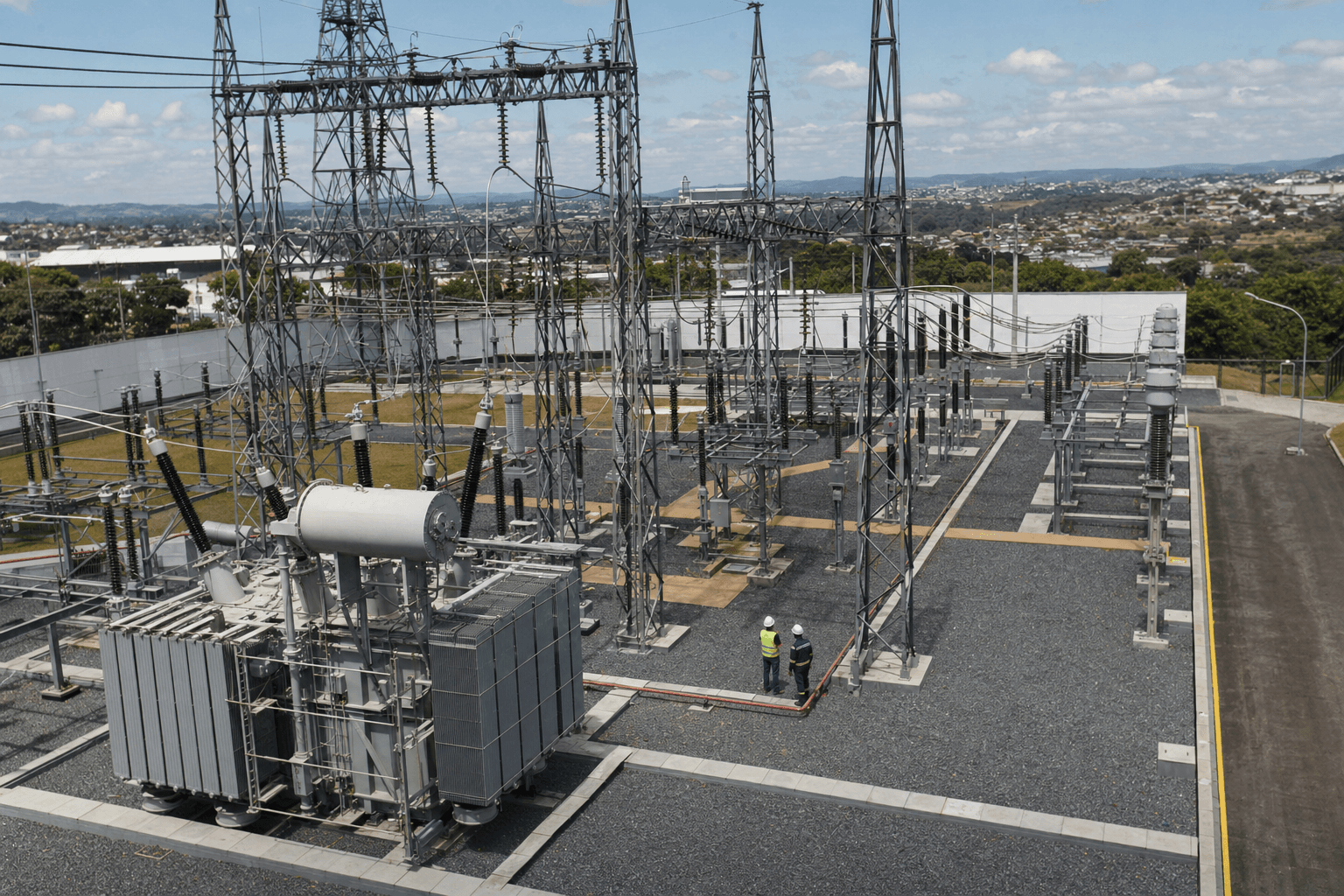
Brazilian utility Companhia Paranaense de Energia, better known as Copel, said on Thursday that its board of directors has approved an investment programme of R$21.1 billion for the period from 2027 to 2030.
The company, one of the main electricity groups in Brazil’s southern state of Paraná, did not provide further detail in the source material on how the planned spending will be divided among business lines or projects. Even so, the size and timing of the approval make it relevant for international investors watching Brazil’s power sector, where regulated networks, generation assets and grid expansion remain central to long term capital allocation.
A four year signal from a major Brazilian utility
Copel’s approval covers a four year cycle beginning in 2027 and running through 2030. In Brazil’s electricity industry, such multiyear capital plans are closely followed because utilities operate in a sector shaped by long asset lives, regulated revenue frameworks, concession rules and large infrastructure needs.
For readers outside Brazil, Copel’s full name translates as Paraná Energy Company. Paraná is one of the country’s most industrialised states and has a significant agricultural base, which makes reliable electricity infrastructure important for factories, logistics, processing plants, cities and rural producers alike.
The decision was taken by the company’s board of directors, the corporate body responsible for approving major strategic and financial decisions. For listed Brazilian companies, board approval of an investment cycle usually serves as a formal indication of management’s medium term priorities, although individual projects may still depend on licensing, regulatory approvals, financing conditions and execution schedules.
Why the figure matters for investors
The headline number, R$21.1 billion, gives the market a benchmark for Copel’s planned capital intensity after 2026. It also helps investors compare the company’s ambitions with broader demand for electricity infrastructure in Brazil.
Brazil’s power market is one of the largest in the Americas and combines hydroelectric generation, transmission networks, distribution concessions, thermal backup and expanding renewable sources. Companies operating in the sector are often evaluated not only on earnings and dividends, but also on how efficiently they deploy capital into assets that can produce stable regulated or contracted returns.
The source article did not specify whether Copel’s approved spending will be directed primarily to distribution, transmission, generation, technology, maintenance or other corporate uses. That distinction will matter. Distribution investments may be linked to network reliability and customer growth. Transmission spending can depend on auctioned concessions and grid reinforcement. Generation projects are exposed to energy pricing, hydrology, permitting and contracting strategy.
For now, the key takeaway is that Copel has placed a large capital envelope on the table well before the start of the cycle. That can support planning with suppliers, contractors, lenders and public authorities, while also giving shareholders a clearer view of future capital requirements.
What to watch next
International companies considering partnerships or supply contracts with Brazilian utilities should monitor Copel’s next disclosures for details on project mix, procurement calendars and financing strategy. Equipment makers, engineering firms, grid technology providers and infrastructure investors will want to know where the R$21.1 billion is expected to flow and what portion may create opportunities for outside vendors or capital partners.
Investors will also be watching how the programme fits with Copel’s financial discipline. A spending plan of this size can strengthen an infrastructure platform, but it must be assessed against leverage, cash generation, regulatory returns and Brazil’s interest rate environment.
The approval is therefore less a complete roadmap than an important first marker. It confirms that Copel’s board has endorsed a significant investment cycle for 2027 to 2030, while leaving the market waiting for the operational detail that will determine where the commercial opportunities emerge.
For companies and investors looking to understand Brazil’s energy market, identify partners or evaluate opportunities linked to infrastructure spending, Brazil Business Club can help connect you with the right local insight and business network.
Doing business in Brazil?
Brazil Business Club connects investors and companies from around the world with the people and opportunities driving Brazil's economy. Tell us what you are looking for and we will help you take the next step.
Reported by the Brazil Business Club newsroom, with reference to Valor Econômico.