
Brazilian exporters gain duty free access to Singapore under Mercosur pact
The Mercosur-Singapore trade agreement entered into force for Brazil on Aug. 1, removing tariffs on Brazilian exports to the Asian hub. The pact also covers services, investment rules and e-commerce, widening the agenda beyond goods trade.
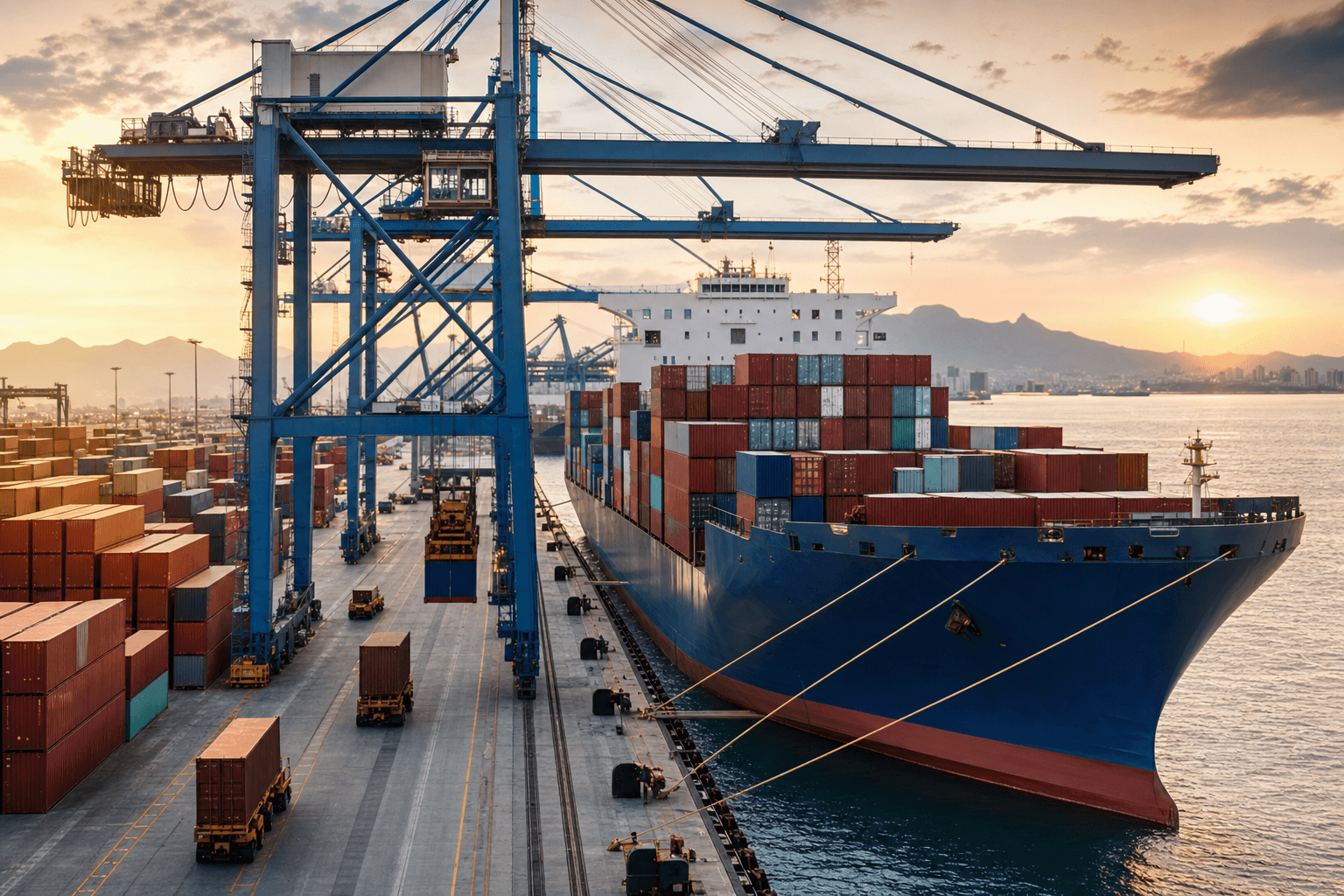
The trade agreement between Mercosur and Singapore entered into force for Brazil on Saturday, Aug. 1, opening a fully tariff-free channel for Brazilian goods sold into one of Asia's most important logistics and financial hubs.
Mercosur, the South American customs bloc that includes Brazil, Argentina, Paraguay and Uruguay, negotiated the accord with Singapore over several years. For Brazil, the central commercial gain is clear: all Brazilian exports to Singapore will be eligible for zero tariffs under the terms of the deal.
The agreement also sets shared rules for trade procedures, an important detail for companies that need predictability on documentation, customs treatment and product origin requirements. The Brazilian government has published guidance for exporters, importers and foreign trade operators through the Siscomex Portal, Brazil's official foreign trade platform.
A broader agreement than tariff cuts
Although tariff elimination is the most visible part of the pact, the agreement reaches into areas that are increasingly relevant for companies trading across borders. It expands access to the services market, encourages investment and includes a dedicated chapter on e-commerce.
That digital trade section is notable because it is the first e-commerce chapter Mercosur has negotiated with a partner outside South America. For exporters, technology providers, payment companies and logistics operators, the inclusion of digital rules signals that the bloc is trying to modernise its trade agenda beyond traditional merchandise flows.
The deal had already taken effect in Paraguay in February and in Uruguay in March. Brazil's implementation adds the region's largest economy to the operative framework, strengthening the commercial weight of the agreement.
The pact was signed in 2022 after negotiations that began in 2018. At the time of signing, the Brazilian government projected that the agreement could add BRL 28.1 billion to Brazil's gross domestic product by 2041. Officials also estimated that Mercosur exports to Singapore could rise by USD 500 million a year.
Brazil's trade surplus with Singapore
The agreement comes on top of an already substantial trade relationship. In 2025, commerce between Brazil and Singapore reached USD 10.7 billion. Brazil exported USD 7.4 billion to the city-state, generating a bilateral trade surplus of USD 4.1 billion.
Brazil's main shipments to Singapore include fuel oils, machinery and animal protein, especially beef, pork and poultry. The zero-tariff framework could make those categories more competitive, while also giving other Brazilian exporters a clearer route into Singapore's high-income market and its wider network of Asian supply chains.
Singapore's role matters beyond its domestic demand. The country is a major re-export, finance and logistics centre, with deep links across Southeast Asia. For Brazilian companies, preferential access may help reduce costs, simplify planning and create new commercial pathways into a region where supply reliability and trade compliance are essential.
The government manuals now available on the Siscomex Portal cover how companies can claim tariff preferences, how the origin of goods will be determined and which procedures apply to foreign trade operations under the agreement. These technical rules will be decisive in practice. Preferential tariff access often depends not only on the existence of a trade deal, but on whether exporters can prove that their goods meet origin criteria and comply with the required paperwork.
For importers and distributors, the common criteria embedded in the agreement may also lower uncertainty. Standardised rules can reduce friction at the border and improve the ability of companies to price contracts, manage delivery schedules and compare suppliers.
Connect with Brazil Business Club
For investors and companies assessing Brazil's next trade opportunities, the Mercosur-Singapore agreement is a useful signal. Brazil is seeking wider access to Asian markets while promoting exports in sectors where it already has scale, from energy products and machinery to meat and agribusiness supply chains.
Brazil Business Club helps international executives, investors and entrepreneurs understand where these openings can translate into real commercial strategy. If you are looking to invest in Brazil, source Brazilian products or build partnerships with companies operating in the country, connect with the club and join the conversation.
Doing business in Brazil?
Brazil Business Club connects investors and companies from around the world with the people and opportunities driving Brazil's economy. Tell us what you are looking for and we will help you take the next step.
Reported by the Brazil Business Club newsroom, with reference to Agência Brasil.