
Brazilian beef faces 67% China tariff after quota fills
Brazil has exhausted its 2026 beef export quota to China, triggering an additional 55% levy on shipments beyond the limit. Brasília is seeking extra access as meatpackers face a sharp hit to competitiveness in their largest foreign market.
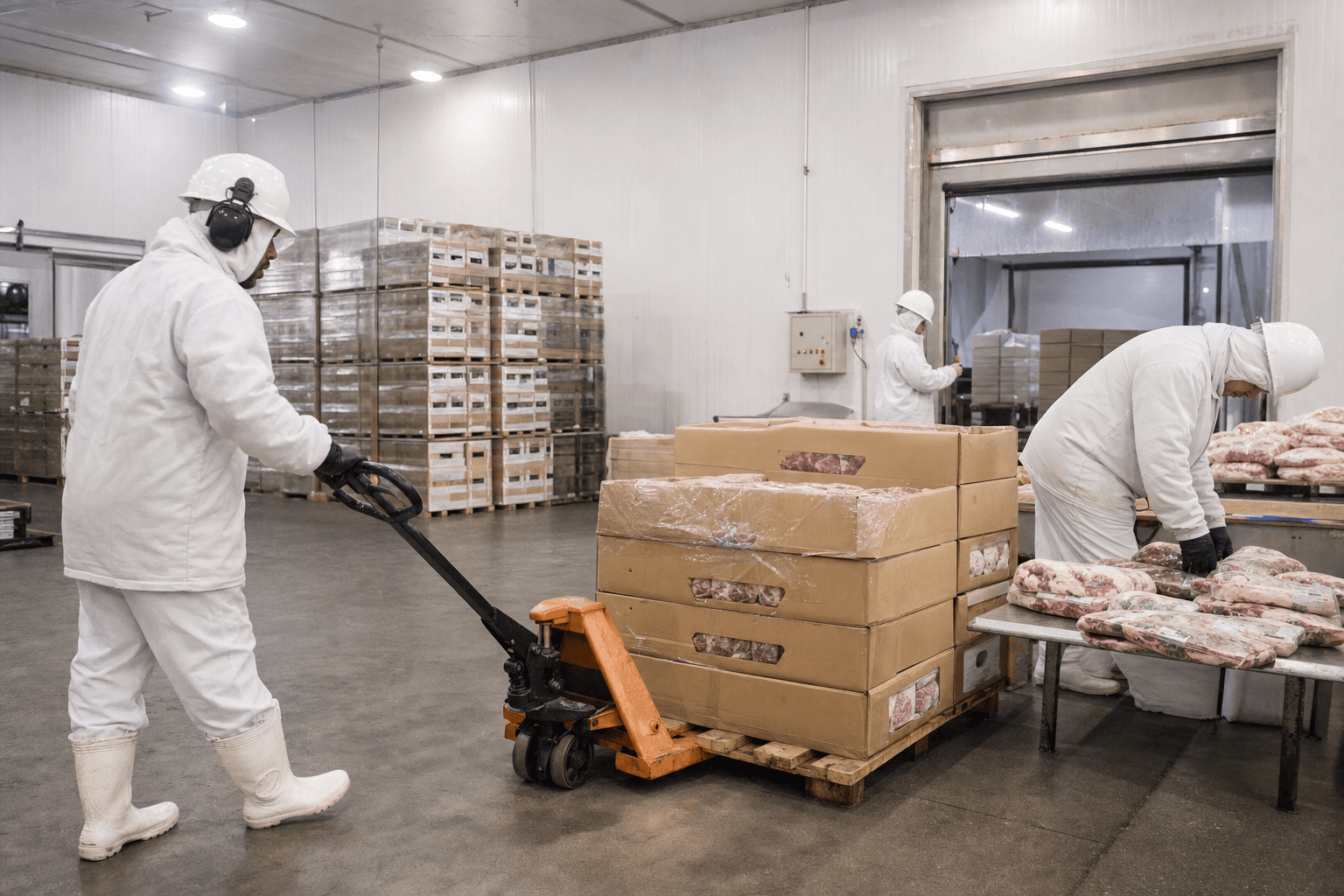
Brazilian beef exports to China are moving into a much tougher commercial window after the country reached its annual quota for 2026, triggering a steep tariff increase on sales above the limit.
From Thursday, beef shipped beyond the quota will be subject to an additional 55% surcharge. Because Brazilian beef entering China already pays a 12% tariff within the quota, the total tax burden now rises to 67% for volumes above the ceiling.
For international meat traders, investors in Brazilian agribusiness and companies tied to cold chain logistics, the change matters because China is the main overseas destination for Brazilian beef. Industry participants cited in the Brazilian press say the extra levy makes exports far less viable, as it pushes final costs high enough to erode Brazil's price advantage in the Asian market.
How the quota works
China's system allows Brazilian beef to enter at a 12% tariff until a specified annual volume is reached. For 2026, that threshold was set at 1.106 million tonnes. Once the ceiling is exhausted, the additional 55% surcharge applies, taking the combined tariff to 67%.
The policy is new this year. Beijing introduced import quotas for beef as part of an effort to support local cattle ranchers and domestic production, which has expanded in recent years. The restrictions do not apply only to Brazil. China has established quotas for all major beef exporters.
Even so, Brazil has the largest allocation. That reflects the scale of its role in supplying China, where demand has reshaped global beef flows over the past decade. For Brazil, access to Chinese buyers has become a central pillar of the cattle and meatpacking chain, linking ranchers, slaughterhouses, ports, shipping lines and financial institutions that fund working capital across the sector.
The ceiling is scheduled to rise next year to 1.128 million tonnes. The broader quota regime is expected to remain in place until 2028, giving exporters and investors a clearer, if more restrictive, framework for planning sales and capacity.
Brasília seeks more room from Beijing
Officials at Brazil's Ministry of Agriculture, the federal department responsible for farm policy, animal health rules and export market access, are expected to step up talks with Chinese authorities to seek an additional quota for 2026.
That negotiation will be closely watched by the beef industry. An extra allocation could reopen space for shipments at the lower tariff rate, while no change would leave exporters facing the 67% charge for any additional volume entering China this year.
The timing is important. Brazilian meatpackers had already been preparing for the risk that the quota would run out between August and September. Since July, several companies have slowed shipments in an attempt to delay the tariff trigger. Some plants placed workers on collective leave, a labour measure used in Brazil when companies temporarily reduce operations rather than immediately cut jobs.
For foreign companies exposed to Brazil's beef supply chain, the immediate question is whether the higher tariff changes purchasing schedules, contract prices or plant utilisation. For investors, the issue is broader. It highlights how trade policy in China can quickly affect margins in Brazil's agribusiness sector, even when underlying demand remains significant.
Implications for exporters and investors
Brazil remains one of the world's most competitive beef suppliers, supported by scale, pasture based production, an experienced meatpacking industry and established export infrastructure. But the Chinese quota adds a binding constraint to growth in the sector's most important market.
A 67% tariff does not necessarily stop every transaction. Some specialised contracts or urgent demand could still be fulfilled. In practical terms, however, the additional levy makes large scale spot sales much harder to justify unless prices adjust elsewhere in the chain.
The development may also encourage exporters to diversify destinations, manage shipment timing more carefully and renegotiate commercial terms with Chinese buyers. Competing suppliers face their own quota limits, so the impact will depend on how quickly other countries fill their allocations and how China balances protection for domestic producers with the needs of importers and consumers.
For Brazil, the episode underlines a familiar lesson in commodity trade. Market access can be as important as production capacity. The country can produce and process large volumes of beef, but profitability depends on the rules that govern entry into its largest customer markets.
Companies planning to invest in Brazilian agribusiness, logistics, food processing or trade finance should track the talks between Brasília and Beijing, the pace of quota use in 2027, and any operational response from meatpackers in the months ahead.
If your company wants to invest in Brazil or build commercial partnerships in the Brazilian market, connect with Brazil Business Club to identify opportunities, assess risks and meet the right local players.
Doing business in Brazil?
Brazil Business Club connects investors and companies from around the world with the people and opportunities driving Brazil's economy. Tell us what you are looking for and we will help you take the next step.
Reported by the Brazil Business Club newsroom, with reference to InfoMoney.