
Brazil trade surplus tops forecasts as US sales climb despite tariffs
Brazil posted a US$7.394 billion trade surplus in August, helped by higher export values and resilient sales to the United States. The result came even as new US tariffs began to affect part of Brazil's export basket.
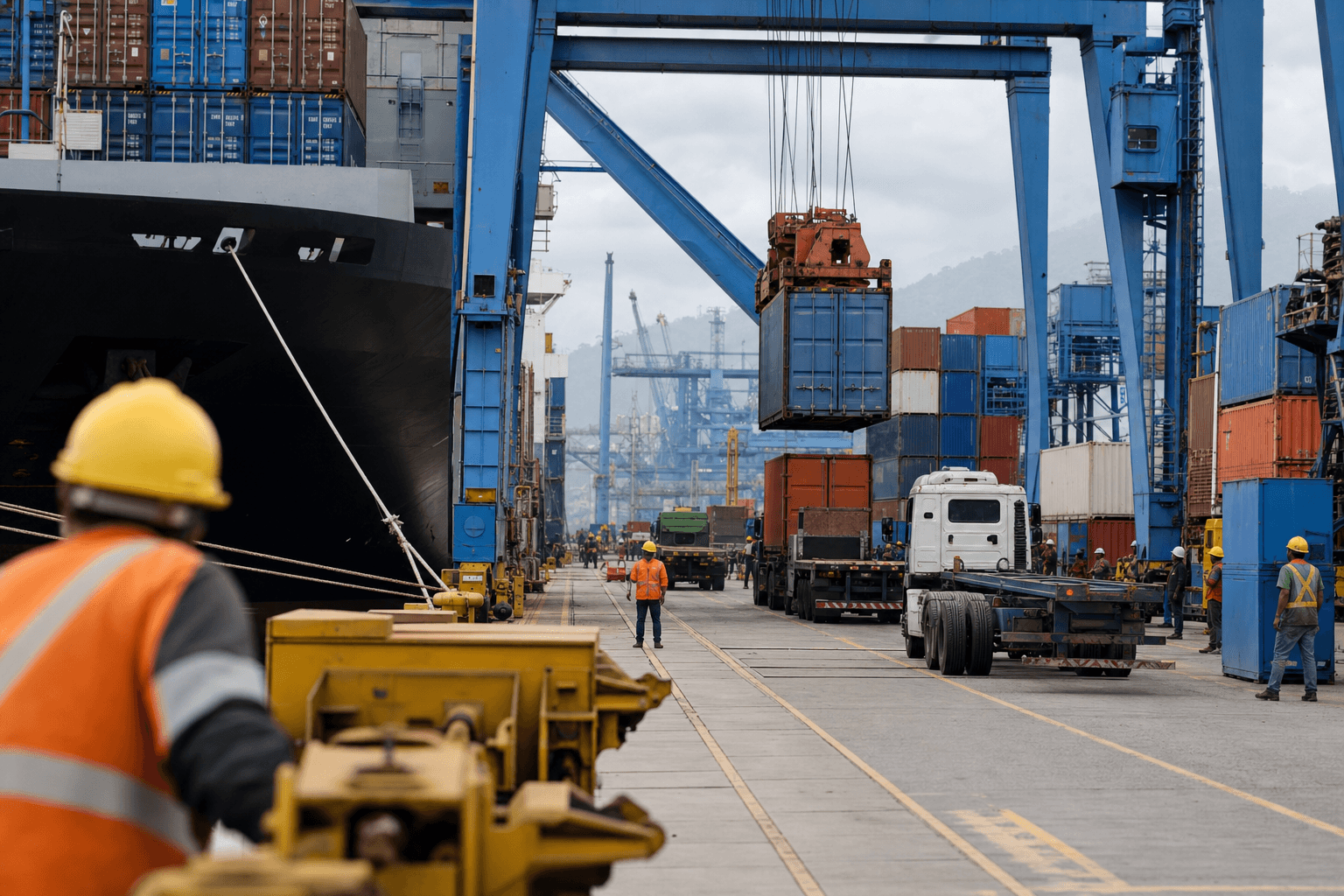
Brazil recorded a trade surplus of US$7.394 billion in August, exceeding market expectations and showing that exports to the United States held up in value despite the first effects of new US tariffs on Brazilian goods.
Data released by Secex, Brazil's Foreign Trade Secretariat, showed exports of US$33.158 billion for the month, while imports reached US$25.764 billion. Secex is part of the Ministry of Development, Industry, Trade and Services, known in Brazil as MDIC, and is the main government body responsible for compiling foreign trade statistics.
A Reuters survey of economists had pointed to a smaller surplus of US$7.136 billion. Compared with the same month last year, the trade balance was 23.8% higher.
A stronger surplus for the year so far
From January through August, Brazil accumulated a positive trade balance of US$55.318 billion, up 28.2% from the same period of the previous year. Exports over the eight months totaled US$250.855 billion, while imports amounted to US$195.538 billion.
For international companies, the numbers underline two important points. First, Brazil continues to generate large external surpluses, supported by a broad export base that includes commodities, food products, industrial goods and aircraft. Second, import demand remains substantial, reflecting the scale of the domestic market and the need for inputs, capital goods and technology across Brazilian industry.
The August result also matters because it arrived during a more complicated trade environment. New US tariffs on Brazilian products started to be applied during July, creating uncertainty for exporters and buyers with contracts exposed to the US market.
US demand rises in value, but volumes slip
The United States kept its share of Brazilian exports steady in August, taking 9.6% of Brazil's total shipments, the same proportion as a year earlier. In value terms, Brazilian exports to the US reached US$3.190 billion in the month, a 12.1% increase from August last year.
That headline increase, however, was driven more by prices than by physical shipments. Secex data showed that prices of goods exported to the US rose 8.6%, while export volumes fell 3.1%.
Herlon Brandão, director of foreign trade statistics and studies at MDIC, said the August gain was mainly a price story. "The increase in exports to the US in August is based on price growth," he said.
Brandão noted that around 20% of Brazilian products shipped to the United States are now affected by tariffs. He also cautioned that the ministry needs more time to assess the full effect of the measures because the tariffed product list is diverse.
"We have tariffed and non-tariffed products growing to the US, and it is expected that the tariffs already had some effect in August, since they began to take effect at the end of July," Brandão said.
Among the Brazilian products that stood out in exports to the US in August were aircraft, fruit juice and meat. According to the source data, these items are outside the tariff measures, making their performance more dependent on normal market conditions such as prices, contracts and demand.
Tariff risk remains for exporters and buyers
Despite the positive monthly reading, the year-to-date picture with the United States is weaker. In the first eight months of the year, Brazilian exports to the US fell 9.7% from the same period last year, totaling US$24.105 billion. Prices were up 3.2%, but volumes declined 13.6%.
For investors and companies assessing Brazil, the split between prices and volumes is central. A rising export value can support revenues and the trade balance, but falling volumes may point to softer demand, supply constraints or trade frictions in specific sectors. The new US tariffs add another layer of complexity, particularly for manufacturers and agribusiness exporters with exposure to US customers.
At the same time, the fact that Brazil delivered a larger-than-expected surplus suggests that its external accounts remain resilient. Buyers sourcing from Brazil will be watching whether non-tariffed products continue to offset pressure elsewhere, while exporters will be looking for evidence of substitution into other markets if US restrictions become more burdensome.
For companies planning investments, partnerships or sourcing strategies in Brazil, the August data reinforce the need to look beneath the headline surplus. Product mix, tariff exposure, price movements and volume trends can all change the commercial picture quickly.
If your company is looking to invest in Brazil, source from Brazilian suppliers or understand how trade policy may affect your market entry plans, connect with Brazil Business Club for practical guidance and local business intelligence.
Doing business in Brazil?
Brazil Business Club connects investors and companies from around the world with the people and opportunities driving Brazil's economy. Tell us what you are looking for and we will help you take the next step.
Reported by the Brazil Business Club newsroom, with reference to InfoMoney.