
Brazil trade surplus beats forecasts as oil exports jump in October
Brazil recorded a US$9.318 billion trade surplus in October, helped by a sharp rise in crude oil shipments and stronger export prices. The result came in above market expectations and lifted the year to date surplus to US$71.040 billion.
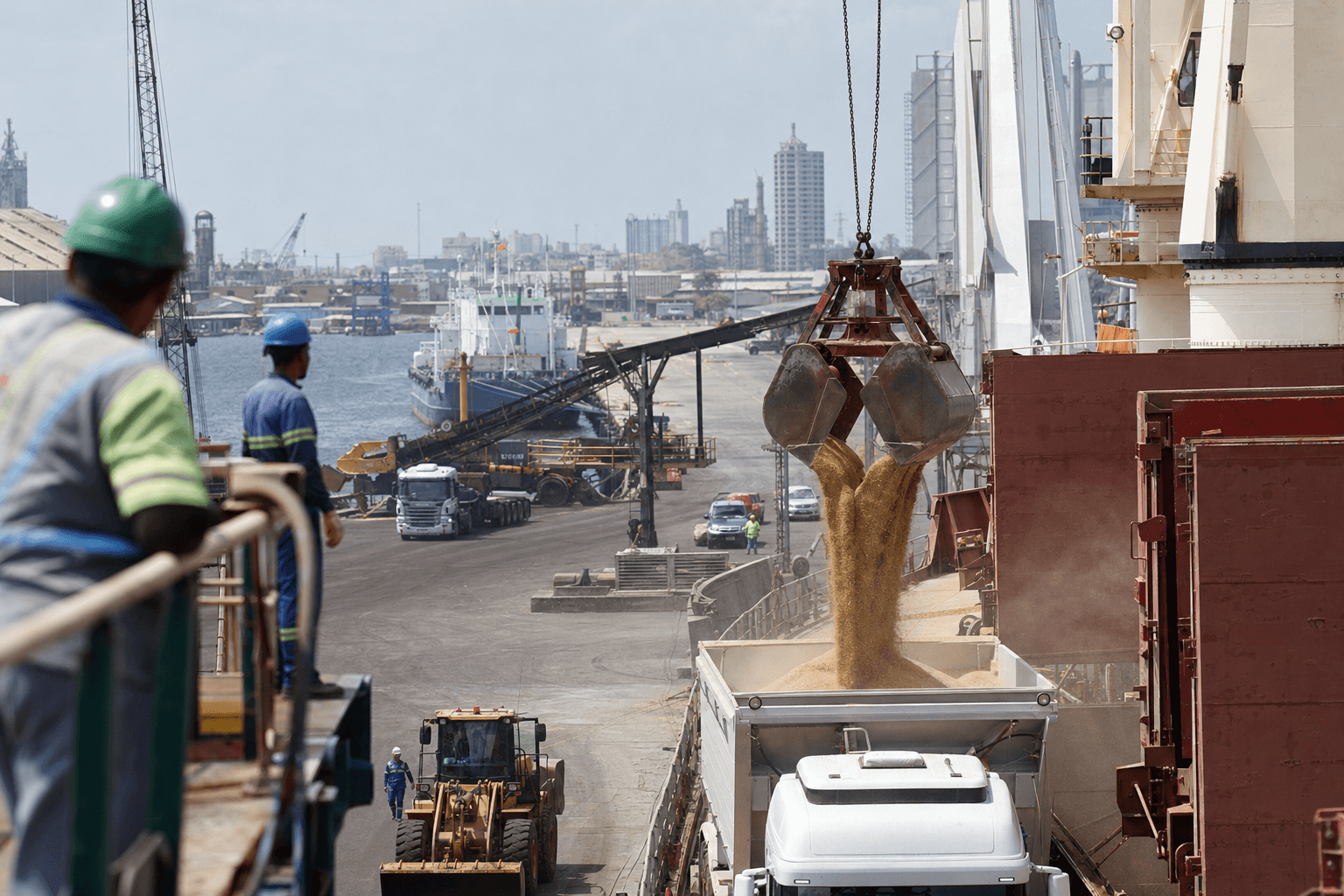
Brazil delivered another large monthly trade surplus in October, reinforcing the role of commodities in the country's external accounts and offering a fresh signal for companies tracking demand, logistics and currency flows in Latin America's largest economy.
The trade balance, the difference between goods exported and imported, was positive by US$9.318 billion in the month, according to Brazil's Ministry of Development, Industry, Trade and Services, known locally as MDIC. The result was slightly stronger than the US$9.05 billion surplus expected in a Reuters survey of market participants.
Exports reached US$37.807 billion, up 20 percent from October 2025. Imports also rose, but at a slower pace, increasing 14.8 percent to US$28.490 billion. For international businesses, that combination points to a Brazil that is still buying more from abroad while benefiting from a powerful export cycle in energy, agriculture and industrial goods.
Oil gives exports extra weight
The main force behind the October performance was the extractive sector, where export shipments increased 53.5 percent from a year earlier. Crude petroleum oils stood out. Sales of those products rose 122.6 percent compared with October 2025, adding almost US$5 billion to Brazil's export revenue.
The improvement was not only about shipping more physical goods. MDIC data showed that average export prices rose 10.8 percent, while exported volumes increased 7.3 percent. That matters for investors because a rise in both price and volume tends to have a larger effect on hard currency earnings than either factor alone.
Agriculture also contributed. Exports from the farming and livestock segment advanced 12.8 percent, supported by soybean sales and unroasted coffee. Brazil remains a key supplier in both markets, and monthly trade data can influence expectations for port capacity, storage, freight rates and related financing demand.
Manufacturing exports rose 7.7 percent. The ministry cited higher foreign sales of fuels, soybean meal, pulp and poultry meat. This mix is important because it shows that the October surplus was not limited to raw commodities, although energy was clearly the standout driver.
Export destinations shift in October
The geographic breakdown also deserves attention. The United States increased its weight as a destination for Brazilian exports. Its share rose from 7.3 percent in October 2025 to 11.4 percent in October 2026, with the value shipped to the US up 87 percent in the month.
The European Union also took a larger share of Brazilian exports, moving from 14.5 percent to 16.0 percent. China remained a major destination, but its share declined from 28.8 percent to 22.7 percent.
For companies operating in Brazil, those shifts can affect commercial strategy. A higher US share may point to opportunities for exporters with dollar contracts, certification capacity and established North American distribution channels. Greater EU participation may favour suppliers able to meet European regulatory and traceability requirements. The smaller Chinese share in October does not remove China's central role in Brazilian trade, but it does underline the need to watch monthly variations by product and destination.
Import growth shows domestic demand has not disappeared
The import side of the ledger also contained signals for investors. Fuel imports surged 86.8 percent in October. Consumer goods imports grew 25.9 percent, while capital goods rose 4.0 percent and intermediate goods increased 2.7 percent.
Capital goods are machinery and equipment used by companies to expand or modernise production. Intermediate goods are inputs used in manufacturing and other production processes. Growth in both categories, even if modest compared with fuels and consumer products, suggests ongoing demand from Brazilian businesses and supply chains.
From January to October, Brazil accumulated a trade surplus of US$71.040 billion. That compares with US$52.985 billion in the same period of 2025. A larger surplus can support confidence in Brazil's external position, although individual sectors will still be exposed to swings in commodity prices, exchange rates, freight costs and changes in global demand.
For international companies, the October numbers reinforce a familiar but commercially important picture. Brazil is a major exporter of oil, food and industrial inputs, while also remaining a significant market for imported fuels, consumer products, machinery and production components. The opportunity is not only in selling to Brazil, but also in using Brazil as an export platform across energy, agribusiness and selected manufactured goods.
If your company is evaluating investment, partnerships, sourcing or market entry in Brazil, connect with Brazil Business Club to discuss practical routes into the market and the local relationships that can make execution easier.
Doing business in Brazil?
Brazil Business Club connects investors and companies from around the world with the people and opportunities driving Brazil's economy. Tell us what you are looking for and we will help you take the next step.
Reported by the Brazil Business Club newsroom, with reference to InfoMoney.