
Brazil Senate Approves Fiscal Package Worth Up to R$ 60 Billion
The bill tightens spending rules, curbs tax benefits and gives the federal government new tools to protect its fiscal targets. For investors, the vote is a key signal on Brazil's 2027 budget path and debt stabilisation strategy.
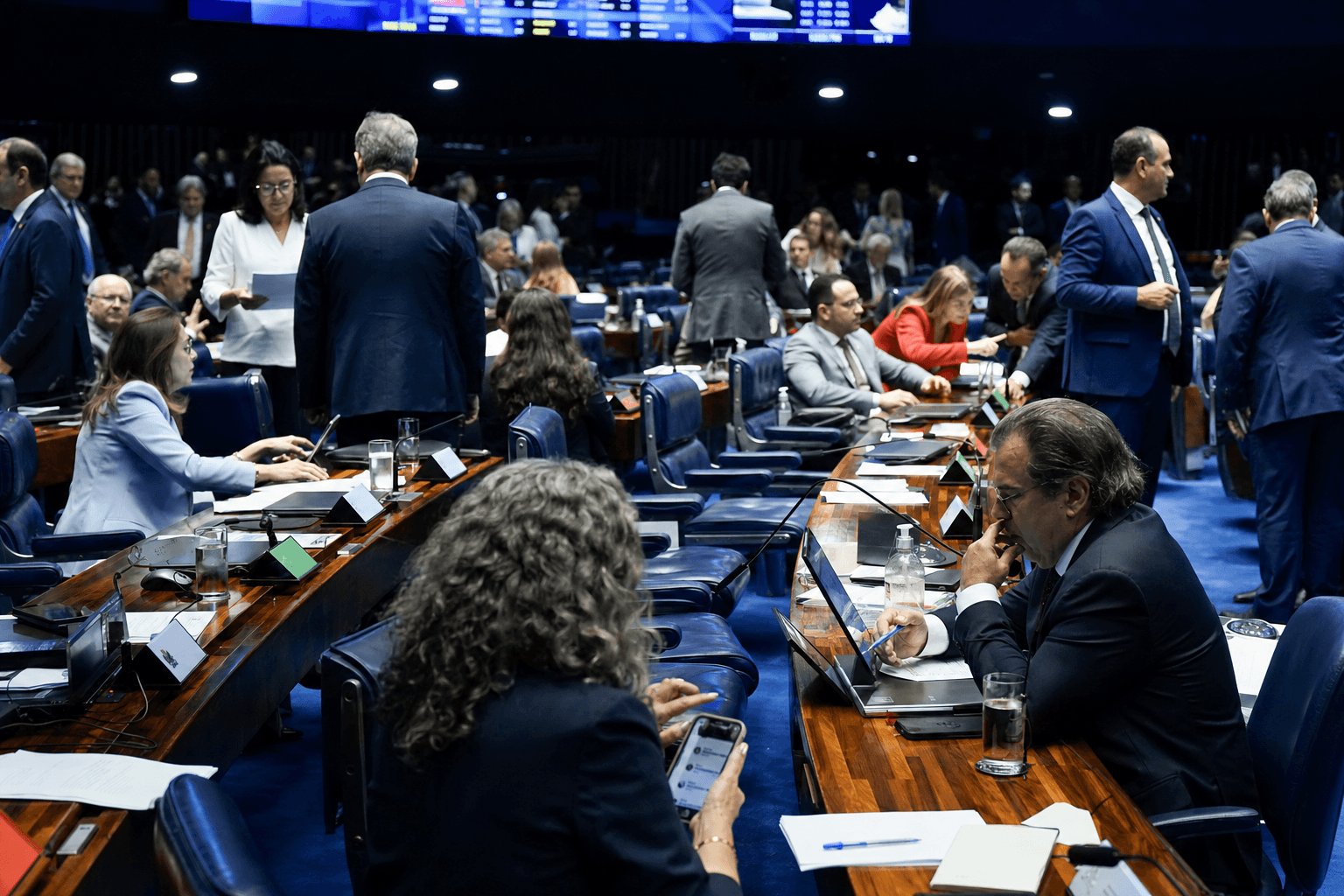
Brazil's Senate approved a fiscal adjustment bill on Thursday, 12 November, advancing a package the federal government says could improve public accounts by up to R$ 60 billion.
The proposal, known as Complementary Bill 299 of 2026, passed with 45 votes in favour, clearing the 41 vote threshold required in the upper house. The measure was presented by Senator Jaques Wagner of the Workers' Party in Bahia and handled in the Senate by rapporteur Eduardo Braga of the Brazilian Democratic Movement in Amazonas.
For international companies and investors, the vote matters because it touches the central question around Brazil's macro outlook, whether the government can contain expenditure growth while preserving room for social programmes and public investment. The Ministry of Planning and Budget estimates that the measures could improve the 2027 primary balance by about R$ 50 billion, with a total impact of as much as R$ 60 billion. The primary balance is the fiscal result before interest payments on public debt, a closely watched gauge of budget discipline in Brazil.
What the bill changes
PLP 299/2026 adjusts parts of Brazil's fiscal framework, the set of rules approved in 2023 to limit federal spending growth and guide budget targets. The new text gives the government more instruments to freeze or limit spending when revenues disappoint or when the fiscal target is at risk.
Under the current framework, federal spending can grow in real terms by up to 2.5 percent, subject to the rule's conditions. The bill allows that ceiling to be lowered to 2 percent in years when the government must hold back expenditure to reach the centre of the fiscal target.
The proposal also broadens the range of spending that may be subject to contingency measures. In Brazil, contingency refers to the temporary blocking of budget funds to keep fiscal targets on track. Today, that process is concentrated mainly on discretionary spending, including investment and operating expenses. Under the bill, some mandatory expenses that are not constitutionally protected could also face restraint.
The government argues that these changes will help stabilise public debt. The Senate figures cited in the debate point to a R$ 43 billion to R$ 54 billion improvement in the primary result and a R$ 100 billion increase in the margin under the so called golden rule. Brazil's golden rule restricts the federal government from borrowing to pay for current expenses, such as payroll and regular administrative costs, unless Congress authorises an exception.
Tax benefits face tighter limits
A significant part of the package comes from the revenue side. The bill provides for a 10 percent reduction in tax expenditures, the Brazilian term for revenue the government forgoes through exemptions, special regimes and incentives.
It also limits tax benefits to the amounts listed in the 2026 Tax Expenditure Statement, adjusted by inflation through the IPCA consumer price index. In practice, this seeks to stop preferential tax treatment from expanding beyond the budgeted baseline.
Another measure restricts the use of tax compensation mechanisms. Companies will be able to use up to 80 percent of tax credits in certain situations, reducing the scope for offsetting tax debts against credits owed by the government. According to the proposal, this is intended to strengthen federal revenue collection and reduce leakage through special tax arrangements.
For businesses operating in Brazil, these provisions deserve close attention. Sector specific incentives, tax credit planning and cash flow assumptions may need to be reassessed once the final legal text is implemented.
Budget effects beyond the headline number
The bill also changes how extraordinary oil and gas revenues are treated in relation to the constitutional minimum for health spending. The proposal removes those exceptional revenues from the calculation of the health floor in both deficit and surplus scenarios, preventing one off energy receipts from inflating the mandatory health spending base.
Other provisions seek to control mandatory expenditure, limit costs linked to pension compensation and export financing, and allow resources to be directed to scholarships for study and research.
The text gives Congress 120 days to examine rules for payments that may sit outside the constitutional pay ceiling for public servants, often referred to in Brazil as supersalaries. This debate concerns which allowances and benefits can legally exceed the public sector remuneration cap.
The bill also creates extraordinary fiscal space in 2026 for a diesel subsidy payment. The government links the measure to the continuation of conflict in the Middle East and the effect of international fuel prices on domestic inflation.
Approval of the package is seen as an important step for the next federal budget, known as the Annual Budget Law, or LOA. The government says the measures should improve predictability for the 2027 budget while supporting compliance with fiscal targets.
For investors, the next tests will be implementation, the response from sectors affected by tax benefit cuts, and whether the package is enough to change expectations for Brazil's debt trajectory. Companies planning investment, acquisitions or market entry in Brazil should monitor the regulation of these measures closely.
If your company is assessing investment opportunities or business expansion in Brazil, connect with Brazil Business Club to understand how fiscal, regulatory and market changes may affect your strategy.
Doing business in Brazil?
Brazil Business Club connects investors and companies from around the world with the people and opportunities driving Brazil's economy. Tell us what you are looking for and we will help you take the next step.
Reported by the Brazil Business Club newsroom, with reference to Exame.