
Brazil Sells $1 Billion as Real Comes Under Fiscal Pressure
Brazil’s Central Bank intervened in the foreign exchange market after the dollar neared 5.93 reais, reflecting investor concern over public spending and debt. The move briefly steadied trading, but pressure returned later in the session.
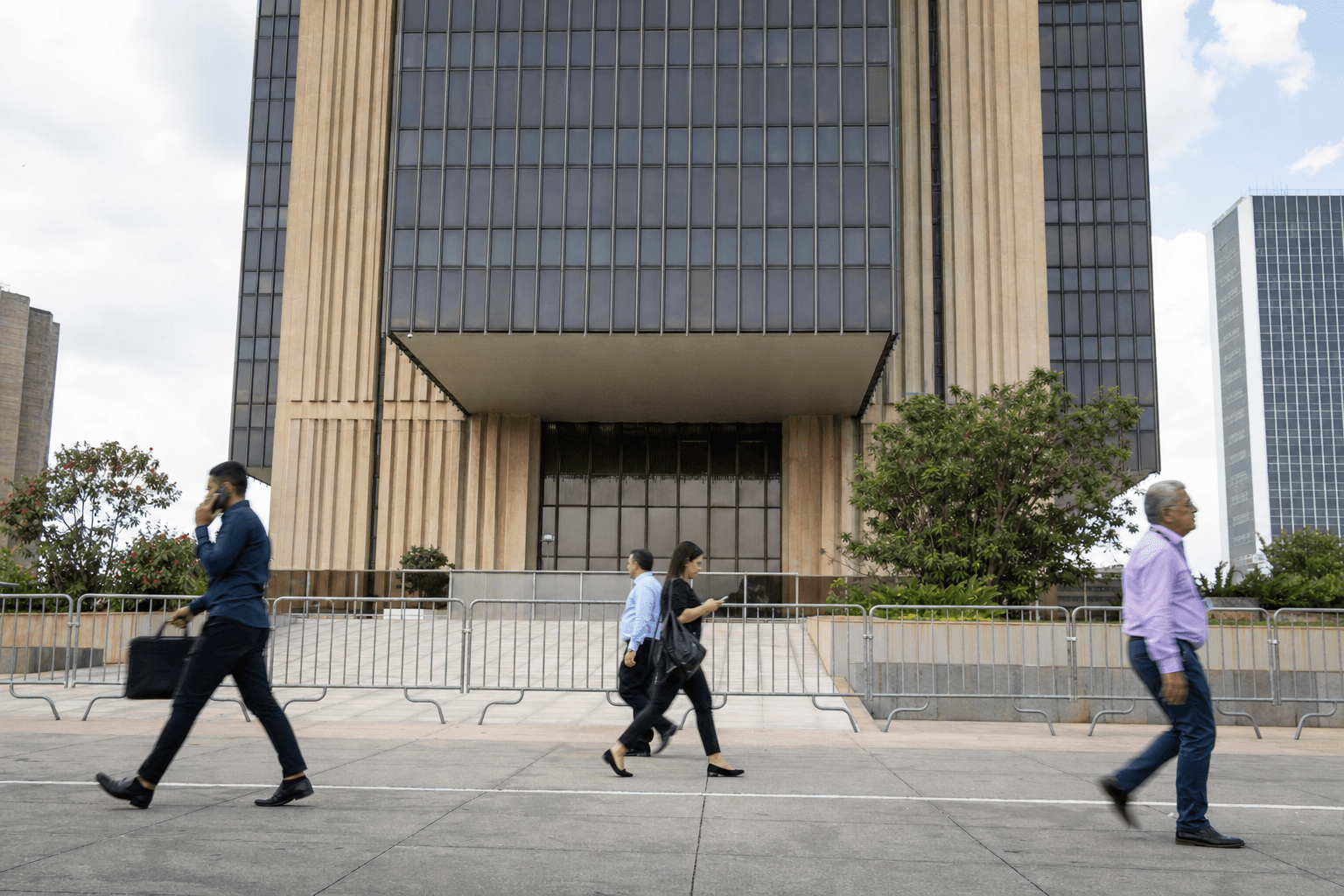
Brazil’s Central Bank sold US$1 billion from its international reserves on Thursday, stepping into the currency market as the real weakened and investors questioned whether President Luiz Inácio Lula da Silva’s fiscal package will be enough to reassure markets.
The dollar had moved close to 5.93 reais before the intervention. The sale initially cooled the exchange rate move, but the relief did not last through the afternoon, when the US currency resumed its upward trend.
For international companies operating in Brazil, the episode is a reminder that fiscal credibility, exchange rate volatility and monetary policy remain tightly linked. A weaker real raises the local currency cost of imports, including fuel, and can feed inflation expectations in an economy where interest rates are already high.
Fiscal doubts return to the centre of the market
The Central Bank’s action followed several sessions of weakness in Brazilian assets, including declines on the São Paulo stock exchange and a sharp fall in the real. The immediate trigger is concern over the government’s fiscal adjustment plan, which has already passed the Senate and is expected to be reviewed next week by the Chamber of Deputies, Brazil’s lower house of Congress.
The administration estimates that the package could save between 50 billion and 60 billion reais in 2027, equivalent to roughly US$8.4 billion to US$10.1 billion. Those numbers could still change as lawmakers amend the proposal.
One of the main measures would reduce the permitted real growth of public spending, meaning growth above inflation, to 2% a year from the current 2.5%. Investors are looking for signs that the plan can slow expenditure and help stabilise public debt, which is above 92% of gross domestic product.
Part of the market considers the proposal too modest for the scale of Brazil’s fiscal challenge. At the same time, Lula faces resistance from the left, including political groups positioned to the left of his Workers’ Party, who fear the adjustment could affect areas such as health and education.
On Thursday, Lula said that “some comrades” had not understood the proposal. He added that while he remains president, “there will be no reduction in the rights the Brazilian people have won.” Addressing financial markets, he said he also wants discipline in the public accounts, but criticised recent trading dynamics. “What is really happening is that there are people trying to make money from speculation, from rumours,” he said.
Currency pressure meets high interest rates
Brazil’s Central Bank has a long history of intervening in foreign exchange markets to smooth disorderly movements, rather than to defend a fixed exchange rate. The sale of dollars from reserves is one tool it can use when currency volatility threatens to spill into inflation expectations or financial conditions.
The current backdrop is sensitive. The benchmark Selic rate stands at 13.75% a year, after the Central Bank stopped a sequence of five consecutive cuts in November. The Selic is Brazil’s main policy interest rate and serves as the reference for credit, government debt and many financial contracts.
High rates can support the currency by making local assets more attractive, but they also weigh on investment and consumption. That trade-off matters for corporate planning, particularly for importers, infrastructure investors, retailers and companies with debt linked to local rates.
The latest Central Bank survey of analysts, published on November 16, points to slower growth ahead. It shows expansion easing from 2.3% in 2025 to 1.7% in 2026 and 1% in 2027. Current economy minister Dario Durigan has voiced concern about the pace of activity in 2027, although he has ruled out a recession.
Political uncertainty is also part of the picture. Lula, re-elected on October 25, has not yet announced who will serve as economy minister in the presidential term that begins on January 5. For investors, that appointment will be read as a signal of how the government intends to balance social spending commitments, congressional negotiations and market demands for fiscal consolidation.
What investors should watch next
The decisive near term event is the Chamber of Deputies vote on the spending package. Changes made in Congress could alter both the expected savings and the market’s assessment of whether the fiscal rule has enough force to restrain debt growth.
Companies exposed to imports should monitor the exchange rate closely, especially those buying fuel, machinery, industrial inputs or dollar-linked services. Exporters may benefit from a weaker currency in revenue terms, but broader instability can raise financing costs and complicate pricing decisions.
Brazil remains a large, diversified market, but this week’s intervention shows how quickly confidence can shift when fiscal policy, monetary policy and politics converge. For businesses planning capital allocation in the country, currency assumptions and public debt dynamics should be treated as central variables, not background noise.
If your company is evaluating investment, partnerships or market entry in Brazil, connect with Brazil Business Club for insight and practical support in navigating the local business environment.
Doing business in Brazil?
Brazil Business Club connects investors and companies from around the world with the people and opportunities driving Brazil's economy. Tell us what you are looking for and we will help you take the next step.
Reported by the Brazil Business Club newsroom, with reference to MercoPress.