
Brazil’s July trade surplus tops USD 7 billion as trade volumes rise
Brazil exported USD 34.1 billion and imported USD 27.1 billion in July, leaving a surplus of just over USD 7 billion. China remained the country’s largest export market, while year to date trade reached USD 388.1 billion.
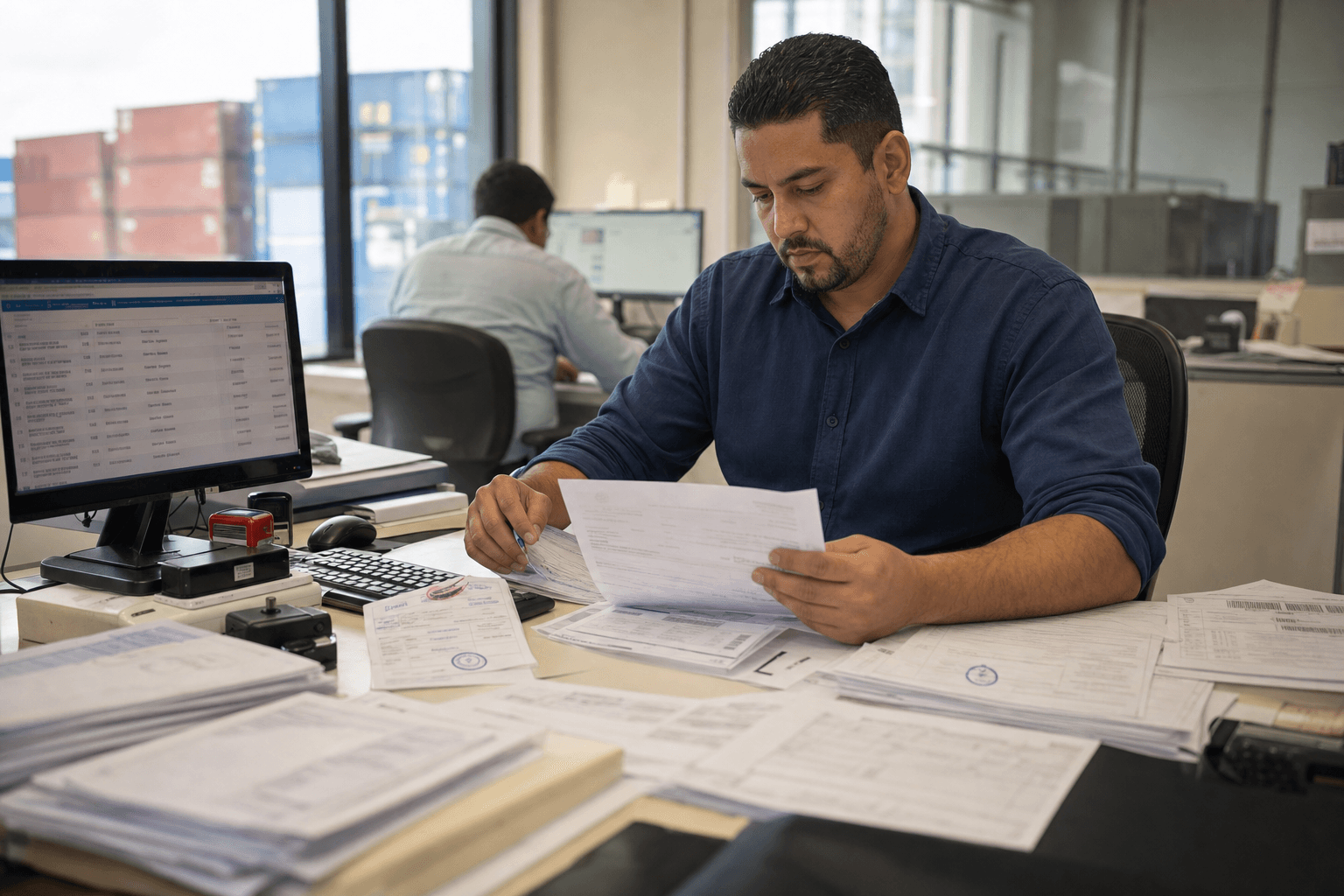
Brazil’s foreign trade remained firmly in surplus in July, even as both sides of the ledger expanded. The country sold USD 34.1 billion in goods abroad and bought USD 27.1 billion from overseas, producing a trade surplus of a little more than USD 7 billion, according to figures released on Thursday, August 6, by the Ministry of Development, Industry, Trade, and Services.
The result points to a busier month for Brazilian exporters and importers alike. Total trade flow, which combines exports and imports, reached USD 61.17 billion in July. That was 6.8 percent higher than in July 2025, with exports rising 6.2 percent and imports growing 7.6 percent year on year.
For companies watching Brazil’s external accounts, the July numbers matter because they show demand moving in both directions. Stronger exports helped preserve a sizable surplus, while higher imports suggest continued purchases of industrial inputs, energy products, technology goods, and medicines by the domestic economy.
Soybeans, oil, and fuels lift exports
Brazil’s export performance in July was supported by gains across major segments of the economy. Agricultural exports increased 9.3 percent, led in particular by soybeans. Shipments of the crop rose by about USD 870 million compared with the same month last year, underscoring the commodity’s continued importance to Brazil’s trade profile.
The extractive sector also added momentum. Crude oil exports increased by USD 960 million in July. In manufacturing, fuel oil exports climbed by the same amount, USD 960 million. The ministry said fuel exports grew by more than 63 percent, a sharp gain that helped explain the strength of the headline export figure.
Imports rose as well, with energy, technology, health care, electronics, and chemicals all appearing among the main drivers. Brazil increased purchases of petroleum fuel oils by USD 500 million. Imports of automatic data-processing machines and related units were up USD 320 million, while medicines and pharmaceutical products, excluding veterinary items, also grew by USD 320 million.
Other notable import increases included thermionic, cold-cathode, or photocathode valves and tubes, diodes and transistors, which rose by USD 290 million. Ethylene polymers in primary forms added another USD 150 million to the import bill.
China leads, US share slips
China remained Brazil’s dominant export destination in July. Shipments to the Chinese market exceeded USD 10.7 billion, equal to almost one-third of all Brazilian exports in the month. That represented an 8.6 percent increase from July 2025.
The United States ranked second among destinations for Brazilian goods, accounting for 10.7 percent of exports in July. Sales to the US market were down 5 percent from the same month last year. The ministry’s July figures do not yet show the expected effects of the latest US tariff increase, which came into force on July 22. Any clearer impact from that measure is expected to appear in August data, due in early September.
Brazilian exports to Argentina also weakened in July. Sales to the neighboring country fell by nearly USD 230 million, or 13.9 percent, compared with July 2025. The trade movement was not described as directly linked to politics, but it comes amid renewed strain between Brasília and Buenos Aires.
Relations between the two governments have deteriorated after repeated attacks by Argentine President Javier Milei against Brazilian President Luiz Inácio Lula da Silva. Brazil’s Ministry of Foreign Affairs responded by downgrading diplomatic relations with Argentina.
Year to date surplus reaches USD 49 billion
From January to July, Brazil accumulated a trade surplus of USD 49 billion. Exports totaled USD 218.6 billion in the first seven months of 2026, an increase of 10.5 percent from the same period last year. Imports reached USD 169.5 billion, up 5.5 percent.
Overall trade for the January to July period came to USD 388.1 billion, 8.2 percent above the comparable 2025 level. The figures show that Brazil’s external sector is expanding even as its mix of partners, tariff exposure, commodity cycles, and diplomatic relationships becomes more complex.
For exporters, importers, investors, and service providers, the message is not only that Brazil is selling more to the world. It is also buying more from it, creating openings across logistics, energy, agribusiness, pharmaceuticals, technology, and industrial supply chains.
Connect with Brazil Business Club
Brazil’s trade data offers a practical map of where commercial demand is growing and where risks may be emerging. If you are looking to invest in Brazil, enter the market, source products, build partnerships, or understand the country’s trade environment, Brazil Business Club can help you connect with the right people and opportunities.
Doing business in Brazil?
Brazil Business Club connects investors and companies from around the world with the people and opportunities driving Brazil's economy. Tell us what you are looking for and we will help you take the next step.
Reported by the Brazil Business Club newsroom, with reference to Agência Brasil.