
Brazil’s Jobless Rate Falls to 5.4%, Setting a Second Quarter Record
Brazil entered mid 2026 with the tightest second quarter labour market in its modern data series, even as interest rates remain high. For investors, the figures point to resilient domestic demand, but also to a labour market where hiring costs and talent availability deserve close attention.
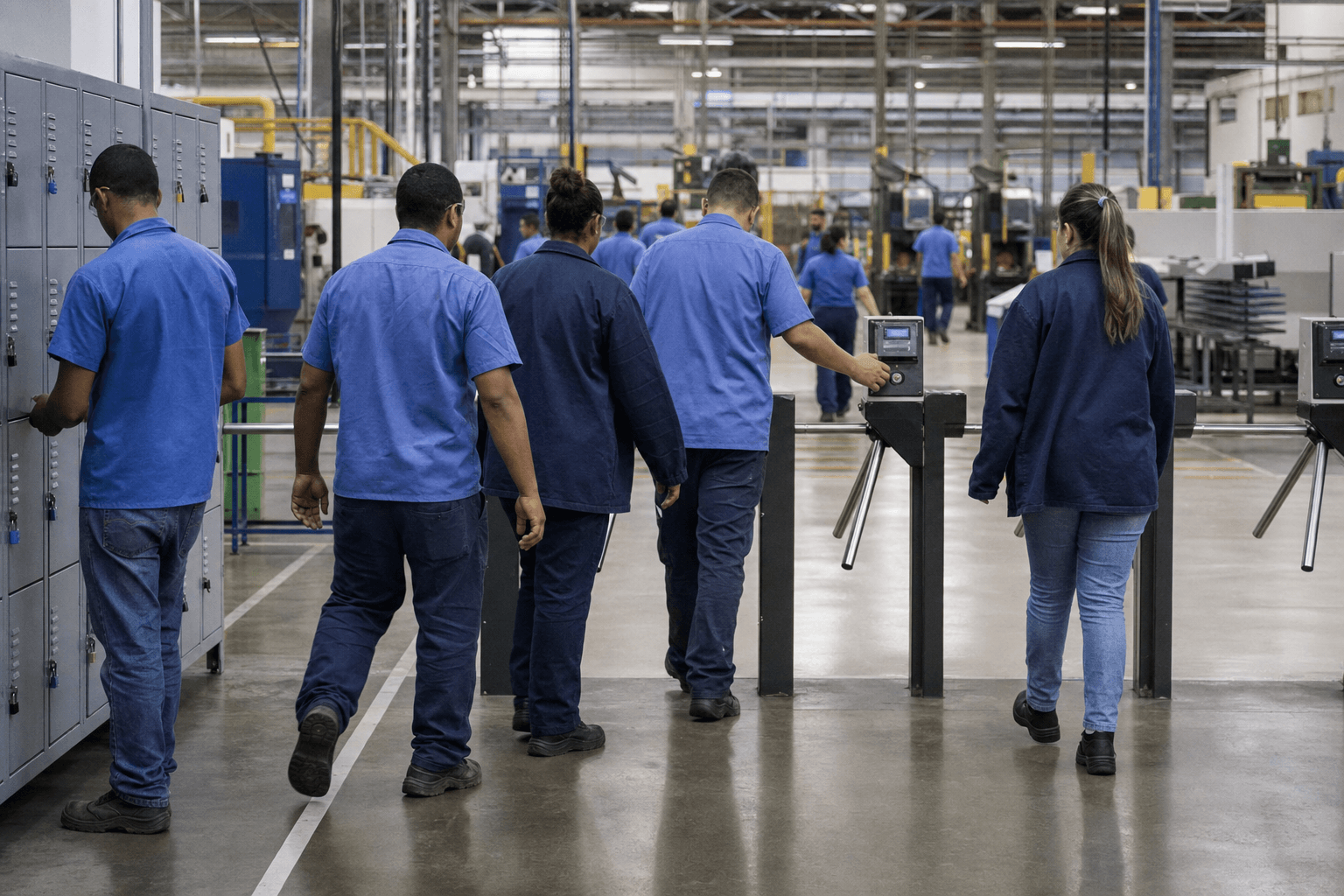
Brazil’s unemployment rate fell to 5.4% in the second quarter of 2026, the lowest level ever recorded for an April to June period in the country’s current labour market series. The data, released on July 30 by IBGE, Brazil’s national statistics agency, add another signal that Latin America’s largest economy continues to generate jobs despite restrictive monetary policy.
The rate was down from 6.1% in the first quarter and also below the 5.8% recorded in the second quarter of 2025. IBGE’s Continuous National Household Sample Survey, known in Brazil as PNAD Contínua, has tracked the labour market since 2012 and is one of the main references used by economists, policymakers and companies assessing household income and employment trends.
For international businesses, the numbers matter beyond the headline unemployment rate. Brazil now has 103.1 million people in work, the highest total for any period in the survey’s history. That represents an increase of about 1.081 million employed people compared with the first quarter.
At the same time, the number of people classified as unemployed fell to 5.9 million, a drop of 10% from the previous quarter, equivalent to 718,000 fewer people.
Formal hiring reaches a new high
The second quarter also brought a record for formal employment. Brazil counted 39.4 million workers with signed employment contracts from April to June, the highest level since the survey began. In Brazil, formal contracts usually mean registration under labour rules that provide access to benefits such as paid holidays, social security contributions and severance fund deposits.
Another 13.6 million employees were working without formal contracts. Overall, informal workers accounted for 37.4% of the employed population in the quarter. That share remains an important structural feature of Brazil’s labour market. It can offer flexibility for some sectors, but it also affects productivity, tax collection, access to credit and the stability of household income.
For companies evaluating expansion, the figures suggest two realities at once. Demand for labour is strong, particularly in the formal economy, which may support consumer-facing businesses. But a tighter labour market can also make recruitment more competitive, especially for skilled roles in industry, technology, logistics, finance and specialised services.
Average monthly labour income reached BRL 3,738, the highest ever measured for a second quarter. IBGE said that represented a 2.8% increase over one year. However, the figure was slightly below the BRL 3,765 recorded in the first quarter of 2026.
IBGE research analyst William Kratochwill said income stability, despite record low unemployment for the period, is partly explained by the profile of new hiring. Workers entering jobs tend to earn salaries that are close to, or below, the average already received by the existing workforce.
A strong labour market under high interest rates
The employment data arrive while Brazil’s benchmark interest rate, the Selic, stands at 14.25%. The Selic is set by the Central Bank of Brazil and influences borrowing costs across the economy, including corporate loans, consumer credit and investment decisions.
In theory, high interest rates should cool demand and slow hiring. Yet the labour market appears to be feeding its own momentum. Kratochwill said that employment growth can support consumption, which in turn sustains business activity.
“As more people have jobs, consumption rises, orders increase and production follows. The labour market itself may be helping companies continue to hire,” he said.
That dynamic is visible in the decline of discouraged workers. IBGE defines discouraged people as those who are outside the labour force and not looking for work because they believe they will not find a job. This group stood at 2.3 million in the second quarter, down 14.7% from the first quarter, or 365,000 fewer people.
For investors, this points to a domestic market with underlying resilience. More people working generally means more household spending, a broader tax base and lower immediate pressure on social support systems. It can also influence inflation expectations if wage pressures strengthen, which makes the interaction between employment, prices and interest rates especially important for companies planning capital allocation in Brazil.
What the survey measures
PNAD Contínua covers people aged 14 and older and includes formal jobs, informal work, temporary positions and self-employment. A person is counted as unemployed only if they actively looked for work in the 30 days before the survey. IBGE visits 211,000 households across all Brazilian states and the Federal District, the administrative region that includes Brasília.
The latest report reinforces a central theme for Brazil in 2026: economic activity is holding up better than many would expect in a high-rate environment. For foreign companies, that creates opportunity, particularly in sectors tied to consumption and services. It also requires careful planning around labour costs, compliance with formal employment rules and regional hiring conditions.
If you are considering investment, expansion or partnerships in Brazil, connect with Brazil Business Club to understand the market landscape and identify the right local opportunities.
Doing business in Brazil?
Brazil Business Club connects investors and companies from around the world with the people and opportunities driving Brazil's economy. Tell us what you are looking for and we will help you take the next step.
Reported by the Brazil Business Club newsroom, with reference to Agência Brasil.