
Brazil’s Inflation Preview Turns Negative in August as Housing and Transport Costs Fall
Brazil’s IPCA-15, the country’s mid-month inflation gauge, dropped 0.40% in August, a steeper decline than markets expected. The 12-month rate eased to 4.24%, helped by lower housing, transport, and food prices.
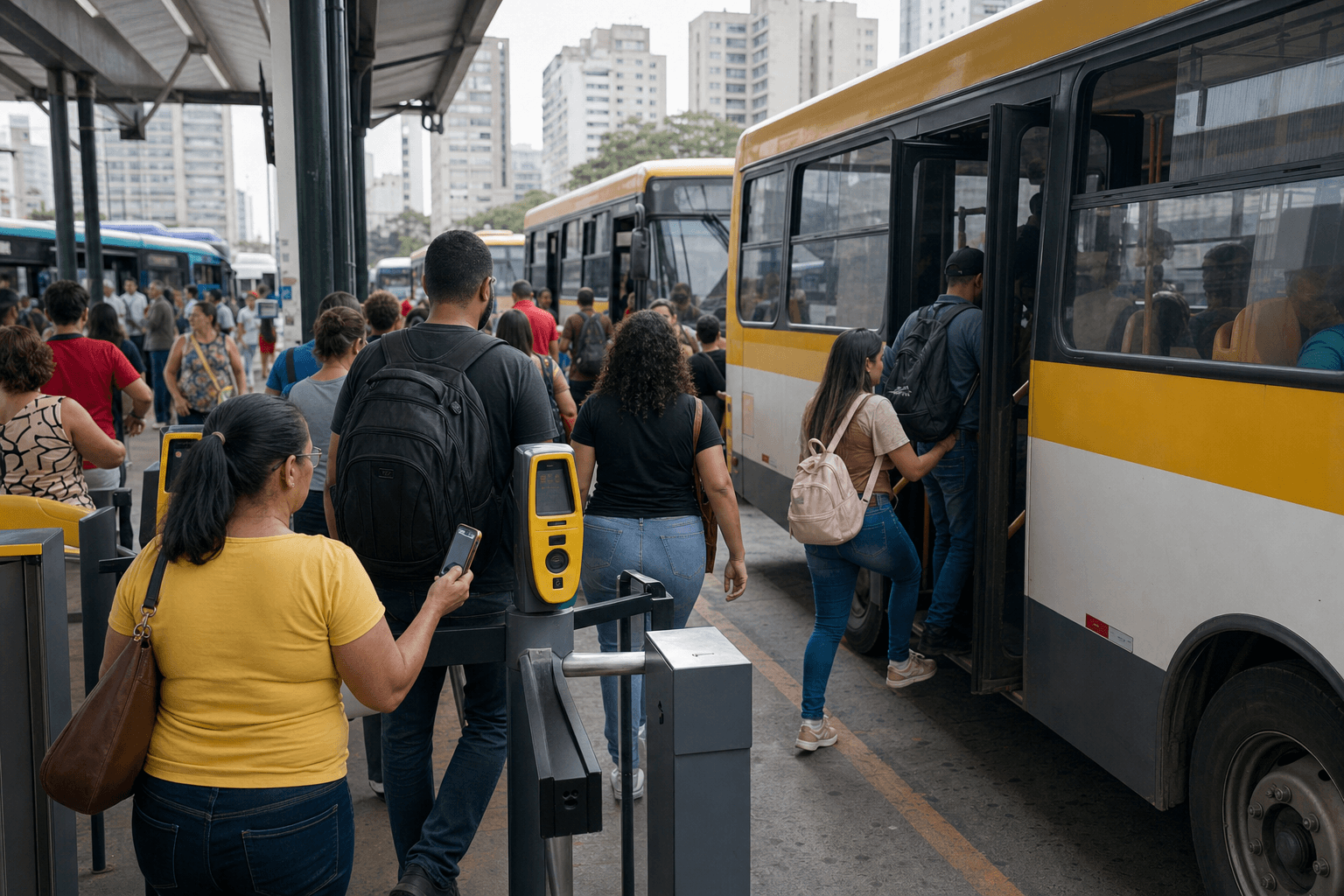
Brazil delivered a stronger than expected disinflation signal in August, with its closely watched IPCA-15 price index falling 0.40%, according to data from the Brazilian Institute of Geography and Statistics, known locally as IBGE.
The IPCA-15 is often treated by markets as the official preview of Brazil’s main consumer inflation index, the IPCA. For international investors, it is one of the first monthly readings that can shape expectations around interest rates, consumer demand, corporate pricing power, and the cost environment for companies operating in the country.
The August result was below the market consensus, which had pointed to a 0.30% decline. It also marked a clear change from July, when the indicator rose 0.06%.
With the latest reading, the IPCA-15 is up 3.09% in 2026. Over 12 months, inflation slowed to 4.24%, down from 4.52% in the prior 12-month period. Market expectations had been for a 12-month rate of 4.34%.
Housing and transport lead the decline
The negative monthly reading was mainly explained by falling prices in housing and transport, two expenditure categories with direct relevance for household budgets and business costs.
Housing prices in the IPCA-15 basket fell 1.41% in August. Transport declined 1.00%. Food and beverages also helped pull the headline number lower, with a 0.57% decrease in the month.
Other categories recorded smaller declines. Clothing slipped 0.20%, while communication was nearly flat, down 0.02%.
The August data were not uniformly weak, however. Personal expenses rose 0.66%, the largest increase among the groups listed by IBGE. Education advanced 0.46%, health and personal care rose 0.40%, and household articles edged up 0.04%.
For companies selling into Brazil’s domestic market, the mix matters. Softer transport, food, and housing costs can ease pressure on consumers, but increases in services-related categories may point to areas where price stickiness remains.
Why IPCA-15 matters for foreign investors
IBGE, Brazil’s national statistics agency, calculates the IPCA-15 using the same methodology as the IPCA, the country’s official consumer inflation measure. The main difference is the collection window and the geographic coverage used for the preliminary reading.
The indicator tracks consumption by families with monthly income from 1 to 40 minimum wages. It covers major metropolitan regions, including São Paulo, Rio de Janeiro, Porto Alegre, Belo Horizonte, Recife, Belém, Fortaleza, Salvador, and Curitiba, as well as Brasília and Goiânia.
That scope makes it especially useful for businesses assessing urban consumer conditions in Brazil. The basket includes goods and services such as food, housing, transport, health, education, clothing, communication, and household items.
For investors, the August number strengthens the evidence that inflation pressures moderated during the month. The reading came in below both the monthly and 12-month market consensus, which may influence how analysts evaluate Brazil’s monetary outlook and the operating backdrop for listed companies.
Still, one month of deflation does not by itself define the trend. The year’s monthly IPCA-15 readings show that inflation has moved unevenly through 2026: 0.20% in January, 0.84% in February, 0.44% in March, 0.89% in April, 0.62% in May, 0.41% in June, 0.06% in July, and negative 0.40% in August.
Business implications
Lower measured inflation can be important for multinationals planning pricing, procurement, payroll, and financing strategies in Brazil. Businesses exposed to household consumption may see some relief if essential costs ease. Importers, retailers, logistics operators, lenders, and real estate players will also be watching whether the moderation in housing and transport persists in the next IPCA release.
The August IPCA-15 gives investors a cleaner view of short-term price behaviour in Latin America’s largest economy. It also underlines the need to follow Brazil’s data calendar closely, because inflation surprises can quickly reshape expectations across currency, fixed income, equities, and corporate planning.
If your company is evaluating investment, expansion, partnerships, or market entry in Brazil, connect with Brazil Business Club for local insight and business support.
Doing business in Brazil?
Brazil Business Club connects investors and companies from around the world with the people and opportunities driving Brazil's economy. Tell us what you are looking for and we will help you take the next step.
Reported by the Brazil Business Club newsroom, with reference to Exame.