
Brazil’s central bank trims Selic to 14% as easing cycle advances
Brazil’s monetary policy committee delivered its fourth consecutive rate cut, lowering the Selic by 0.25 percentage point to 14% a year. The move matched market expectations, but policymakers kept a cautious tone on inflation risks and global uncertainty.
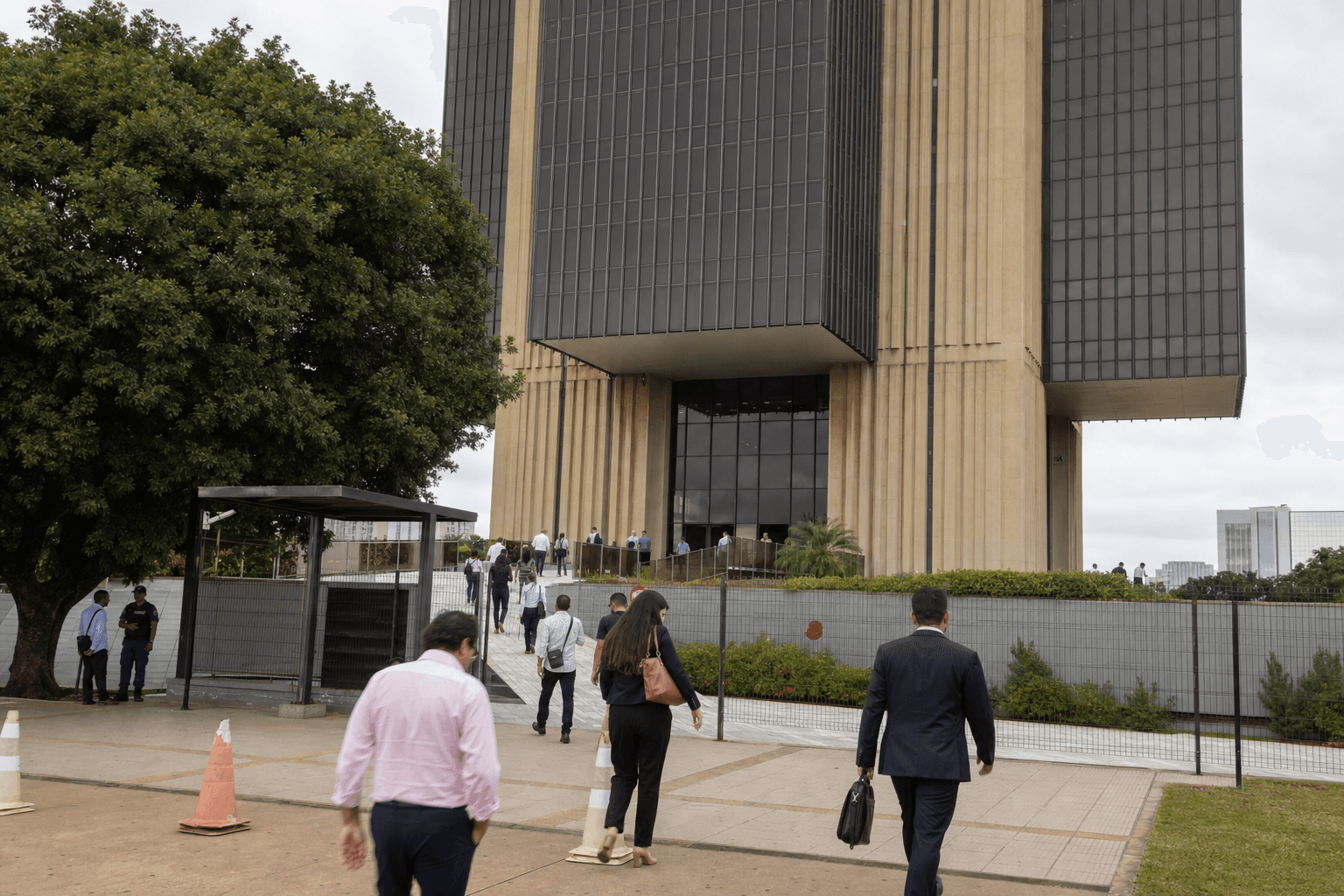
Brazil’s Central Bank cut interest rates again on Wednesday, taking another careful step in a monetary easing cycle that began earlier this year.
The bank’s Monetary Policy Committee, known as Copom, reduced the Selic, Brazil’s benchmark interest rate, by 0.25 percentage point to 14% a year at its fifth meeting of 2026. The decision was widely expected by financial markets and marked the fourth straight reduction in the policy rate.
Copom began lowering borrowing costs in March after keeping the Selic at 15% throughout the second half of 2025. Since then, policymakers have opted for a measured pace, balancing softer inflation data against still elevated expectations and a resilient labour market.
A cautious cut, despite softer inflation
The latest move came after recent inflation readings gave the Central Bank more room to continue what it has described as a calibration of monetary policy. Lower price pressures have helped ease some concerns about the inflation outlook, although the committee made clear that the job is not complete.
In its statement, Copom said headline inflation had slowed in the most recent data, but remained above the upper limit of the official target range. Underlying inflation measures, which strip out more volatile components and are closely watched by policymakers, had eased to a level slightly below that upper limit.
The domestic economy is also cooling, but not sharply. According to the committee, data released since its previous meeting point to a gradual moderation in activity in 2026. Even so, the economy remains relatively robust, with uneven signals across sectors and a labour market that is still running hot.
Inflation expectations remain a concern. The Central Bank’s Focus survey, a weekly poll of market economists, shows expectations for inflation at 5.0% in 2026 and 4.2% in 2027, both above the official target. Copom’s own projection for inflation in the first quarter of 2028, its current relevant policy horizon, stands at 3.2% in its reference scenario.
Global risks keep policymakers on alert
The committee’s statement also pointed to a difficult external backdrop. Copom cited uncertainty around armed conflicts in the Middle East and questions over the direction of monetary policy in some advanced economies.
That combination, it said, requires caution from emerging markets at a time of greater volatility in asset prices and commodities. For Brazil, the global picture matters not only through trade and commodity prices, but also through exchange rates and capital flows, both of which can feed into inflation.
The balance of risks to inflation remains more elevated than usual, and Copom continues to see an upward bias. Among the upside risks, the committee highlighted the possibility that inflation expectations remain unanchored for longer, especially if longer-term forecasts start to reflect second-round effects from oil-related supply shocks, climate impacts on agricultural productivity, or higher energy costs.
It also flagged the risk that services inflation proves more persistent than expected because the economy is operating with a more positive output gap. Other concerns include external and domestic economic policies that could weaken the currency more than anticipated, as well as demand stimulus, particularly to consumption, that could push activity above potential and reduce the effectiveness of monetary policy.
On the downside, Copom listed the possibility of a sharper than expected slowdown in Brazil, a stronger global deceleration linked to trade and oil shocks, and lower commodity prices with disinflationary effects.
Fiscal policy and expectations remain central
The committee said it continues to watch how Brazil’s fiscal policy affects monetary policy and financial assets. It also stressed that a further deterioration in longer-term inflation expectations would make the disinflation process more costly, because expectations influence price setting across the economy.
Copom said the total size of the current easing cycle will depend on incoming data and on the need to bring inflation back to target. The committee described the decision to cut the Selic to 14% as consistent with that objective, while also helping smooth swings in economic activity and support full employment, provided price stability is preserved.
Still, the tone was deliberately restrained. The statement said the current environment, marked by a significant rise in uncertainty, unanchored expectations and high risks around the baseline scenario, calls for “serenity and caution” in monetary policy.
The decision was supported by Copom members Gabriel Muricca Galípolo, the Central Bank president, Ailton de Aquino Santos, Gilneu Francisco Astolfi Vivan, Izabela Moreira Correa, Nilton José Schneider David, Paulo Picchetti and Rodrigo Alves Teixeira.
Doing business as Brazil’s rate cycle shifts
For investors and companies, Brazil’s gradual easing cycle is an important signal, but not a simple green light. Financing costs are moving lower, while inflation, fiscal policy, the exchange rate and global volatility still demand close attention.
Brazil Business Club helps international investors and executives read these shifts in context, connect with reliable local counterparts and identify opportunities grounded in Brazil’s real economic conditions. If you are considering investing in Brazil or expanding business with the country, connect with the club to follow the next stage of the cycle with sharper local insight.
Doing business in Brazil?
Brazil Business Club connects investors and companies from around the world with the people and opportunities driving Brazil's economy. Tell us what you are looking for and we will help you take the next step.
Reported by the Brazil Business Club newsroom, with reference to InfoMoney.