
Brazil jobless rate hits third-quarter record low at 5.2%
Brazil’s unemployment rate fell to 5.2% in the third quarter of 2026, while the number of people in work reached a record 103.6 million. The data point to a resilient labor market, with implications for consumer demand, hiring costs, and formalization.
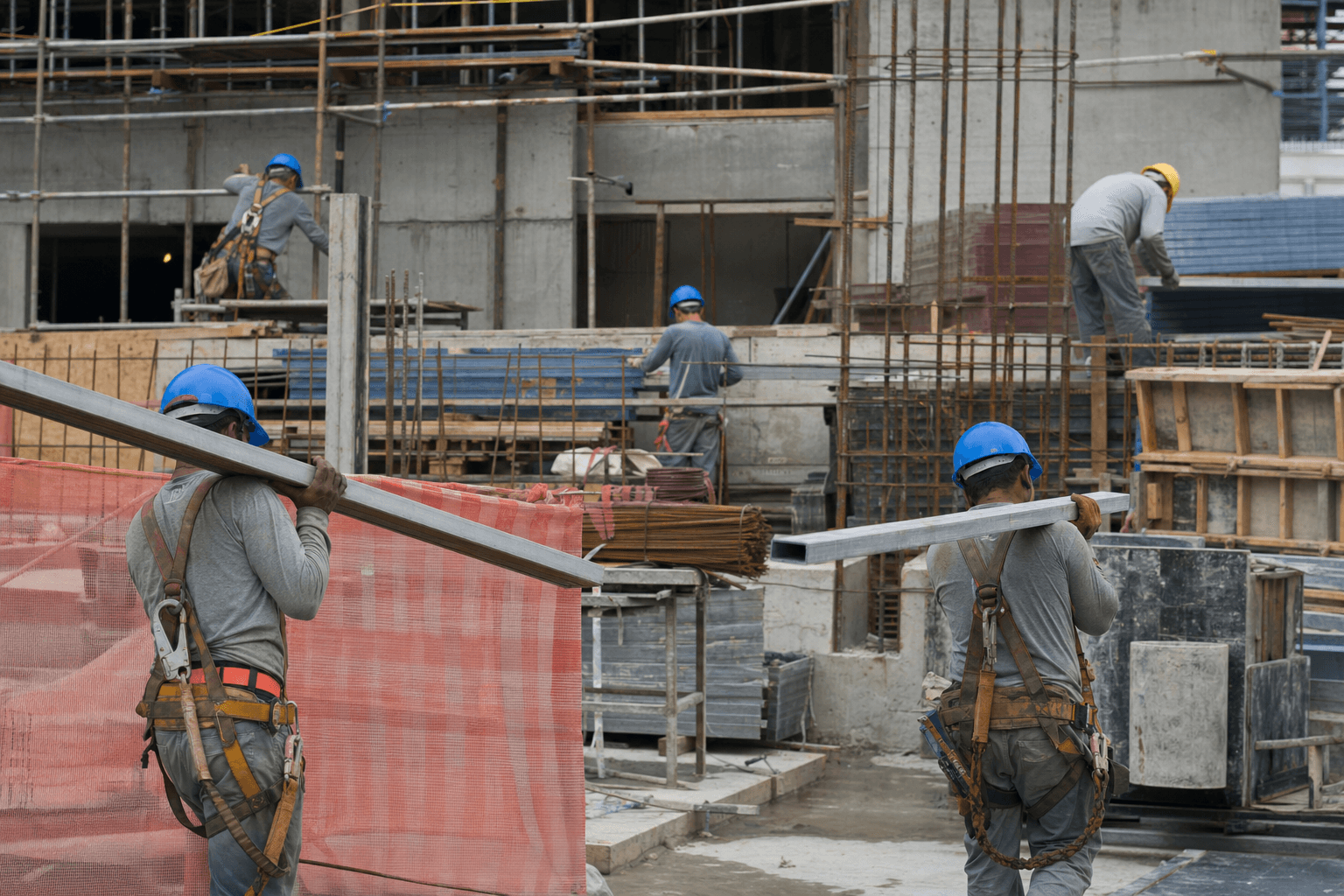
Brazil’s labor market continued to tighten in the third quarter of 2026, with the unemployment rate falling to 5.2%, the lowest level recorded for that period since the current data series began in 2012.
The figure, released Friday, Oct. 30, by IBGE, Brazil’s national statistics agency, compares with 5.4% in the second quarter of 2026 and 5.6% in the third quarter of 2025. For companies operating in Brazil, the data suggest a market with stronger household income support, but also potentially more competition for workers in some sectors.
IBGE’s numbers come from the Continuous National Household Sample Survey, known in Brazil as PNAD Contínua. It is the country’s main official household labor survey and is closely watched by policymakers, investors, retailers, banks, and employers.
Fewer unemployed, more people at work
Brazil had 5.6 million unemployed people in the third quarter. That was a 4% decline from the April to June period, equivalent to 234,000 fewer people without work. Compared with the same quarter of 2025, unemployment fell 6.9%, or by 417,000 people.
At the same time, the employed population reached 103.6 million, the highest level in the IBGE series. Employment rose 0.6% over the previous quarter, adding 581,000 people to the workforce. On an annual basis, the number of employed people was up 1.2%, or 1.2 million.
The employment rate also reached a record 59%. This indicator measures the share of working-age people who are employed, making it a useful gauge of how much of the population is actually participating in productive activity. The rate was 58.8% in the second quarter and 58.7% in the third quarter of 2025, meaning the latest quarterly increase was modest but enough to set a new high.
For international investors, the employment data reinforce the importance of Brazil’s domestic market. A larger employed population generally helps sustain demand for services, food, housing, transport, consumer goods, and credit. It can also affect wage negotiations and hiring strategies, particularly in urban centers where demand for skilled labor is stronger.
Informality remains a structural feature
Despite the strong headline figures, informality remains a major characteristic of Brazil’s labor market. IBGE reported an informality rate of 37.5% of the employed population in the third quarter, equal to 38.8 million workers.
That compares with 37.4%, or 38.6 million workers, in the previous quarter. In the third quarter of 2025, the rate was 37.8%, with 38.7 million informal workers.
In Brazil, informal work generally refers to employment outside fully registered labor arrangements, including jobs without formal contracts and some forms of self-employment. For foreign companies, this matters because formalization affects payroll costs, compliance, productivity, tax collection, and the depth of the consumer credit market.
The latest figures show that the labor market can improve while informality stays high. That combination is familiar in Brazil. It points to opportunities in sectors serving lower and middle-income households, but also to operational challenges for employers seeking reliable recruitment channels, workforce training, and compliance with labor rules.
Earnings and household purchasing power
Real average income from all jobs stood at BRL 3,790 in the third quarter. IBGE said the figure was stable compared with the previous quarter, but 3.6% higher than a year earlier, an increase of BRL 131 in real terms.
The broader wage bill, which reflects the total regular real earnings of workers, reached BRL 387.5 billion, a record for the series. It rose 1.5% over the quarter, adding BRL 5.6 billion, and was up 4.7% from the third quarter of 2025, an increase of BRL 17.5 billion.
That total income measure is especially relevant for companies exposed to household consumption. Even when average earnings are flat over a single quarter, a larger number of employed people can lift aggregate purchasing power. The record wage bill therefore helps explain why labor market data are central to assessments of Brazil’s growth outlook, retail performance, loan demand, and services activity.
For investors, the message is not simply that unemployment is low. It is that Brazil is combining record employment with rising real labor income over the year, while still carrying a large informal workforce. That mix creates both demand-side support and execution risks.
Companies and investors looking to understand how Brazil’s labor market affects expansion plans, consumer strategy, hiring, and local partnerships can connect with Brazil Business Club for Brazil-focused insight and introductions.
Doing business in Brazil?
Brazil Business Club connects investors and companies from around the world with the people and opportunities driving Brazil's economy. Tell us what you are looking for and we will help you take the next step.
Reported by the Brazil Business Club newsroom, with reference to Agência Brasil.