
Brazil Holds Selic at 13.75% as Inflation Risks Stall Rate Cuts
Brazil’s Central Bank left its benchmark interest rate unchanged after five cuts, citing higher uncertainty, currency volatility and inflation expectations above target. The decision keeps borrowing costs high for companies, consumers and investors watching Brazil’s next monetary move.
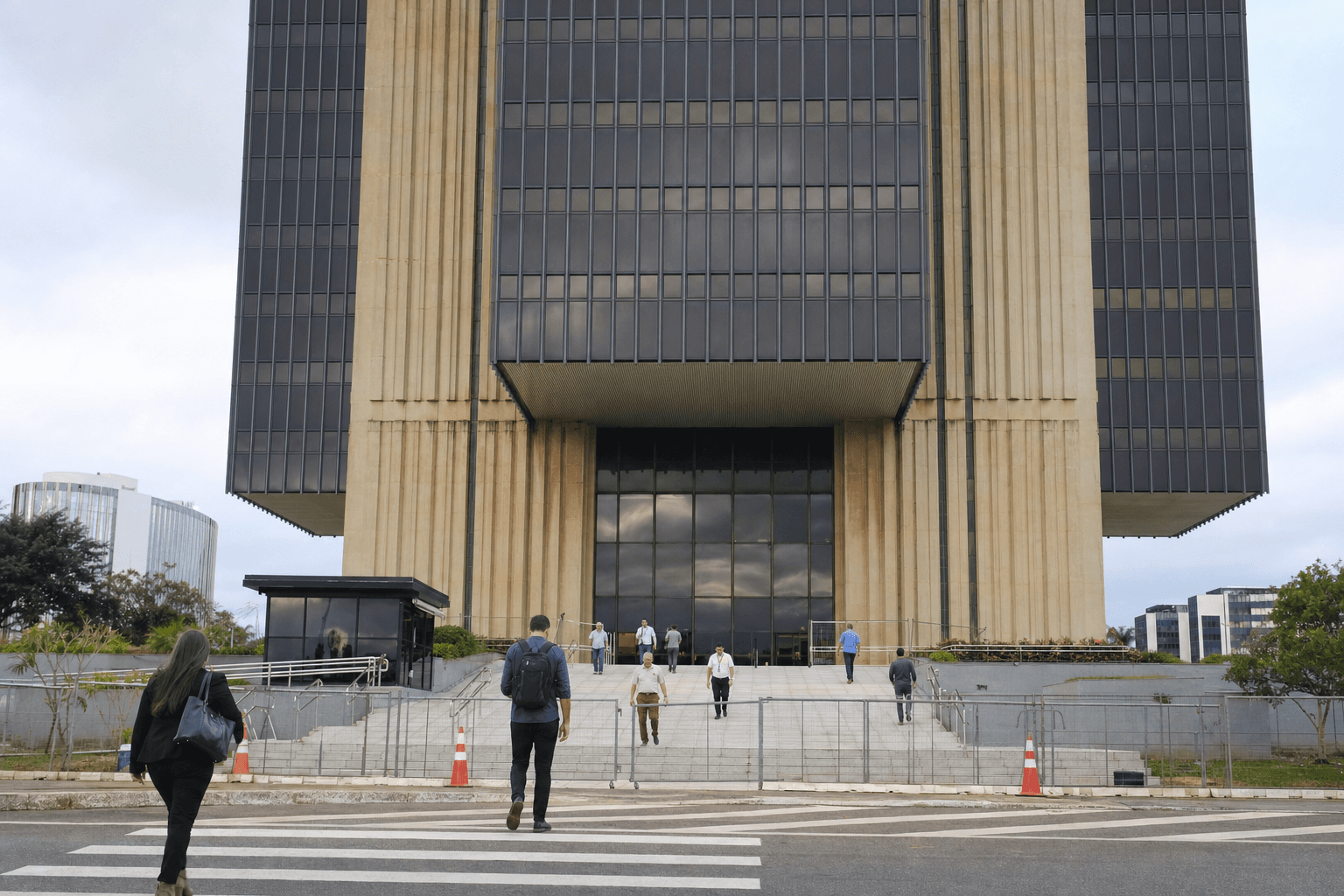
Brazil’s Central Bank has paused its monetary easing cycle, keeping the Selic benchmark interest rate at 13.75% a year in a unanimous decision by its Monetary Policy Committee, known locally as Copom.
For international investors and companies operating in Brazil, the decision confirms that financial conditions will remain restrictive for now. The Central Bank said uncertainty has intensified in recent weeks, while inflation expectations are still running above the official target range. It gave no clear signal on whether the next move would be a cut, a hold or a renewed tightening.
The committee described the backdrop as difficult for policy makers. In its statement, the Central Bank said the current environment is marked by a “significantly contractionary Selic rate,” a sharp increase in uncertainty around its baseline scenario, higher inflation expectations and a clearer slowdown in domestic activity. That combination, it said, calls for a “measured and cautious approach.”
Why the Central Bank stopped cutting
Brazil’s Selic is the country’s main monetary policy rate. It is used in transactions involving government securities through the Special Settlement and Custody System, also called Selic, and it influences credit costs across the economy, from corporate loans to consumer financing.
The rate had been at 15% a year from June 2025 to March 2026, its highest level in nearly two decades. Since April, Copom had reduced borrowing costs five times as inflation pressures eased. The latest decision shows that policymakers are not yet comfortable declaring victory over inflation.
Several factors pushed the Central Bank toward caution. The source of pressure is not limited to domestic demand. The bank pointed to worsening tensions in the Middle East, the beginning of El Niño and recent exchange rate volatility. For Brazil, these variables matter because they can affect fuel prices, food supply, imported goods and the value of the real.
For companies, the immediate implication is a longer period of expensive local funding. High interest rates can weigh on investment decisions, inventories, receivables financing and consumer demand. For portfolio investors, however, a high Selic can continue to support interest in fixed income assets, provided currency risk remains manageable.
Inflation remains above the target ceiling
Brazil measures official inflation through the Broad National Consumer Price Index, known as IPCA. In October, the IPCA-15, a preliminary reading of the official index, rose 0.32%. The result was helped by lower electricity bills, but the broader picture remains uncomfortable for the Central Bank.
Over the 12 months through October, inflation moved from 4.5% to 4.62%. That puts it above the upper limit of Brazil’s inflation target range.
Since January 2025, Brazil has operated under a continuous inflation targeting framework. The target, set by the National Monetary Council, or CMN, is 3%. The tolerance band allows inflation to move 1.5 percentage points above or below that level, which means the accepted range runs from 1.5% to 4.5%.
The Central Bank’s latest Monetary Policy Report, released in late September, maintained its forecast for 2026 IPCA inflation at 5.2%. The next report is due later this month, and the estimate is expected to be revised downward after recent easing in inflation. Even so, current projections remain above target.
Private sector economists are close to the Central Bank’s view. The Focus Bulletin, a weekly survey of financial institutions conducted by the Central Bank, shows the market expects official inflation to finish the year at 5.22%. Before the outbreak of war in the Middle East, that forecast was 3.95%.
What businesses should watch next
The lack of forward guidance is important. Copom chose not to prepare markets for a specific path, which leaves future decisions highly dependent on incoming inflation data, the exchange rate, commodity prices and the pace of domestic activity.
For foreign companies planning capital expenditure in Brazil, the decision reinforces the need to stress test projects under a high rate scenario. For importers and exporters, currency volatility remains a central risk. For banks, fintechs, retailers and real estate players, the timing of any renewed rate cuts will be critical for credit growth and consumer appetite.
Brazil still offers scale, deep capital markets and a large consumer base, but the macro environment is demanding disciplined financing and careful pricing. Investors should also pay close attention to the next Monetary Policy Report and the Focus Bulletin, as both will shape expectations before future Copom meetings.
If your company is evaluating investment, partnerships or market entry in Brazil, connect with Brazil Business Club for insight and practical support on doing business in the country.
Doing business in Brazil?
Brazil Business Club connects investors and companies from around the world with the people and opportunities driving Brazil's economy. Tell us what you are looking for and we will help you take the next step.
Reported by the Brazil Business Club newsroom, with reference to Agência Brasil.