
Brazil extends 12% crude oil export tax to protect domestic fuel supply
Brazil has kept a 12% tax on crude oil exports in place until 31 December 2026, aiming to retain more feedstock for local refining amid global energy uncertainty. The measure adds a regulatory cost for oil producers with export exposure, including Petrobras.
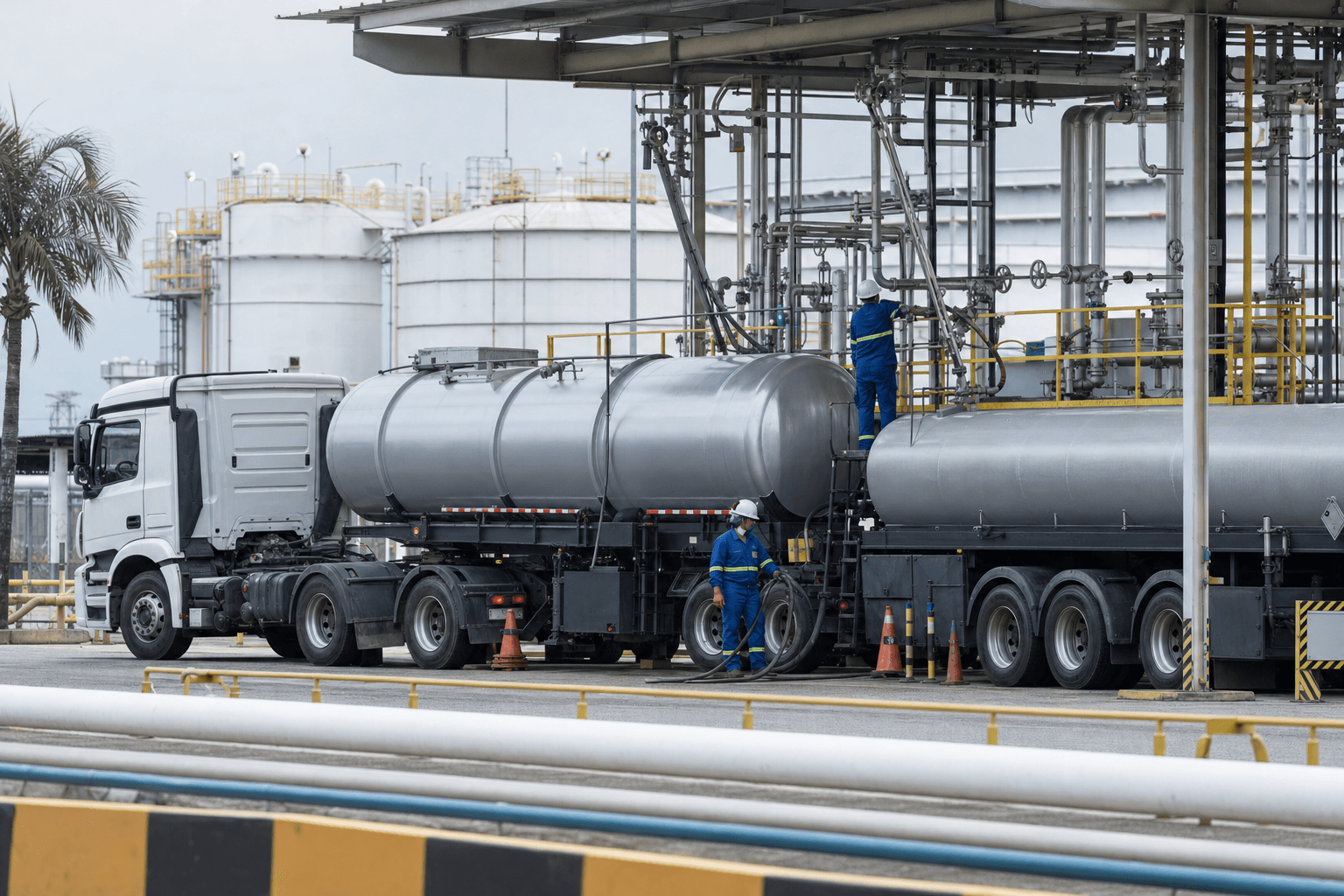
Brazil’s government has extended a 12% tax on exports of crude oil until 31 December 2026, keeping in place a measure designed to steer more domestic production toward the Brazilian market at a time of concern over global energy supply.
The decision was approved on Thursday, 5 November, by Gecex, the executive management committee of Camex, Brazil’s Chamber of Foreign Trade. Camex is the federal body that coordinates trade policy, including tariff changes and trade defence decisions. The request for the extension came from the Ministry of Finance.
The levy has been in force since March, when conflict in the Middle East heightened uncertainty over international flows of oil and refined products. Brasília’s stated objective is to reduce the risk that Brazilian crude is shipped abroad while local refiners face tighter access to raw material, particularly in a market where diesel remains strategically important.
Why Brasília wants more crude at home
Brazil is one of the world’s significant oil producers and exporters, but its fuel system still has vulnerabilities. The country does not produce enough of some refined products to fully meet domestic demand. Diesel is the clearest example, with imports still needed to supply transport, logistics and agribusiness.
That matters because diesel is embedded in the cost structure of the Brazilian economy. Road freight carries much of the country’s goods, and farmers depend on diesel for machinery and transport across long distances. Any disruption in availability can quickly affect supply chains, food distribution and inflation expectations.
The export tax is intended to change the commercial calculation for producers. By making overseas sales less attractive, the government hopes companies will have a stronger incentive to direct part of their crude output to refineries inside Brazil.
The result is not automatic. The type of oil produced in Brazil, the technical configuration of local refineries and the mix of products demanded by the market all affect how much additional crude can be converted into diesel or other fuels. More crude staying in the country does not, by itself, guarantee more diesel at the pump.
What it means for Petrobras and private producers
The tax applies to crude oil exports, so its most immediate impact falls on companies selling Brazilian production into international markets. Export margins may narrow, and firms may need to revisit how they allocate cargoes between foreign buyers and the domestic market.
Petrobras, Brazil’s state-controlled oil company and the country’s dominant producer, is among the players potentially affected. The scale of the impact will depend on how much of its production is exported, the terms of its commercial contracts and its ability to place barrels with Brazilian refiners.
Private oil companies operating in Brazil face a similar calculation. When international oil prices are attractive, exporting can offer stronger returns than selling domestically. A 12% tax reduces that gap and introduces another policy variable into trading and investment decisions.
For international investors, the measure is a reminder that Brazil’s upstream oil sector is exposed not only to geology, production costs and global prices, but also to domestic fuel security policy. The government is prepared to use trade instruments when it sees a risk to local supply.
The levy does not directly change Petrobras’s fuel pricing policy. It is charged on exports of crude oil, not on retail gasoline or diesel. Any effect on consumer prices would be indirect and would depend on several other factors, including global oil prices, exchange rates, refining costs, logistics, distribution margins and local supply and demand.
Trade policy signals beyond oil
The same Gecex meeting considered other trade measures. The committee approved tariff reductions for medicines and maintained an anti-dumping duty on Brazilian imports of titanium dioxide from China. Anti-dumping measures are duties imposed when authorities determine that imported goods are being sold at unfairly low prices and harming domestic industry.
Gecex also created a working group to study possible commercial reciprocity measures related to the United States. Any proposals from that group would still need to go through public consultation and be approved by Camex’s Strategic Council, which is chaired by Brazil’s vice-president.
For companies active in energy, logistics, agribusiness or trade, the oil tax extension is therefore part of a broader policy environment in which supply security, industrial interests and fiscal considerations are increasingly shaping trade decisions.
Investors should watch whether the temporary export tax becomes a recurring tool in Brazil’s energy policy, especially during periods of global volatility. Businesses looking to assess opportunities, risks or market entry strategies in Brazil can connect with Brazil Business Club for practical support and local insight.
Doing business in Brazil?
Brazil Business Club connects investors and companies from around the world with the people and opportunities driving Brazil's economy. Tell us what you are looking for and we will help you take the next step.
Reported by the Brazil Business Club newsroom, with reference to Exame.