
Brazil brings Mercosur e-commerce pact into force
Brazil has completed the domestic enactment of a Mercosur agreement designed to make digital trade easier across Brazil, Argentina, Paraguay, and Uruguay. The pact covers customs duties, electronic signatures, data transfers, cybersecurity, and consumer protection.
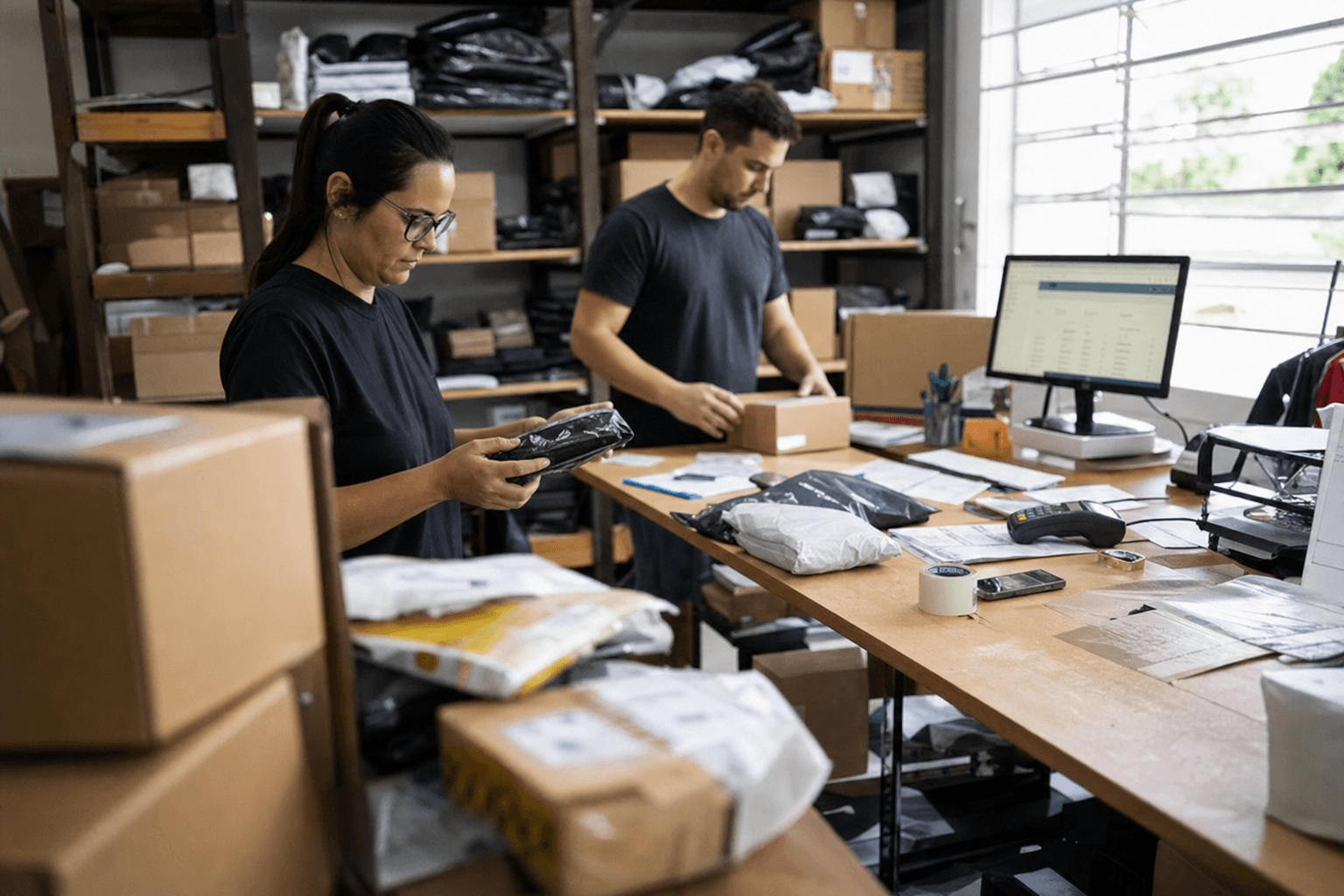
Brazil has formally incorporated the Mercosur Electronic Commerce Agreement into national law, giving companies a clearer regional framework for digital transactions across the bloc.
The agreement, signed in 2021 by Mercosur members Brazil, Argentina, Paraguay, and Uruguay, takes effect in Brazil on Monday, August 24. Mercosur is the South American customs bloc that remains one of the central platforms for Brazil's regional trade policy.
For international companies using Brazil as a base for Latin American sales, the move matters because it addresses practical frictions in online commerce. The text prohibits the collection of customs duties on electronic transactions between individuals in the four member countries. It also sets rules on digital signatures, data protection, cross-border information flows, cybersecurity cooperation, consumer safeguards, and transparency in regulation.
The Brazilian government's enactment closes the country's internal legal process for adopting the agreement. From this point, the pact applies in Brazil according to Mercosur rules and domestic legislation.
A regional framework for digital transactions
The agreement is intended to support the development and regulation of e-commerce within Mercosur while reducing obstacles to online business. It requires governments to take steps that make digital trade easier and to provide greater visibility on the rules that affect companies operating online.
For investors, one of the most relevant points is the commitment to avoid regulations that place unjustified constraints on electronic activity. While each country will continue to regulate its own market, the agreement creates a shared benchmark for how member states should approach digital commerce.
The pact also recognises the legal validity of electronic signatures across the bloc. That is a significant operational issue for companies selling goods or services across borders, signing contracts remotely, onboarding customers, or managing supplier relationships in more than one Mercosur jurisdiction.
In practice, mutual acceptance of electronic signatures can reduce paperwork and help businesses move faster in areas such as procurement, marketplace operations, financial services, software contracts, and professional services. The value will depend on implementation by national authorities, but the regional signal is clear. Mercosur wants digital channels to be treated as a normal part of cross-border trade.
Data, servers, and consumer protection
The agreement also puts personal data protection at the centre of the e-commerce framework. Member countries undertake to keep laws and administrative measures in place to protect the personal information of users who buy or sell online. They also agree to exchange experience on data protection.
For companies already working under Brazil's General Data Protection Law, known locally as the LGPD, the provision reinforces the direction of travel in the region. Digital trade is being encouraged, but not at the expense of privacy rules.
On data movement, the agreement states that countries must allow cross-border transfers of information needed for commercial activity, as long as personal data protection requirements are respected. This is important for companies that rely on regional customer support, cloud infrastructure, fraud monitoring, payment processing, logistics systems, and analytics.
The text also generally prevents governments from requiring foreign companies to keep servers or data storage facilities within a particular territory as a condition for operating there. Restrictions of that kind can raise costs for international platforms and smaller digital businesses, so the provision will be watched closely by technology firms, payment companies, marketplaces, and cloud-based service providers.
Consumer protection is another pillar. The agreement instructs member countries to adopt measures against unsolicited electronic messages, including mechanisms that allow users to stop receiving them. That creates another compliance point for companies using email, messaging, or other digital channels for customer acquisition and retention.
Cybersecurity cooperation and the next review
Mercosur members also committed to cooperation in cybersecurity, consumer protection, digital trade for micro, small, and medium-sized enterprises, electronic government, and the exchange of information on regulations and industry statistics.
The inclusion of smaller companies is notable. Much of Mercosur's traditional trade agenda has focused on goods, tariffs, and industrial supply chains. This agreement recognises that small merchants and service providers increasingly participate in regional commerce through online platforms, digital payments, and remote contracting.
The pact will be reviewed every two years so that governments can update their approach as technology changes and as international discussions on e-commerce evolve. That review mechanism gives companies a regular policy window to monitor, and potentially contribute to, future adjustments.
For foreign businesses, the immediate takeaway is that Brazil is aligning its Mercosur commitments with a more rules-based environment for digital trade. The agreement does not remove every regulatory difference among the four markets, but it does create common principles in areas that often determine whether cross-border e-commerce is commercially viable.
Companies planning to sell into Brazil or use the country as a regional digital commerce hub should assess how the new framework affects contracts, data architecture, consumer communications, compliance procedures, and regional expansion plans.
If your company is looking to invest in Brazil, build partnerships, or understand how regulatory shifts in Mercosur could affect your strategy, connect with Brazil Business Club.
Doing business in Brazil?
Brazil Business Club connects investors and companies from around the world with the people and opportunities driving Brazil's economy. Tell us what you are looking for and we will help you take the next step.
Reported by the Brazil Business Club newsroom, with reference to Agência Brasil.