
Abra revenue climbs, but fuel shock drives deeper quarterly loss
The parent company of Gol and Avianca posted 17.7% revenue growth in the second quarter, while its loss widened to US$ 766 million as aviation fuel costs surged. Cargo and loyalty programmes grew, but leverage also increased.
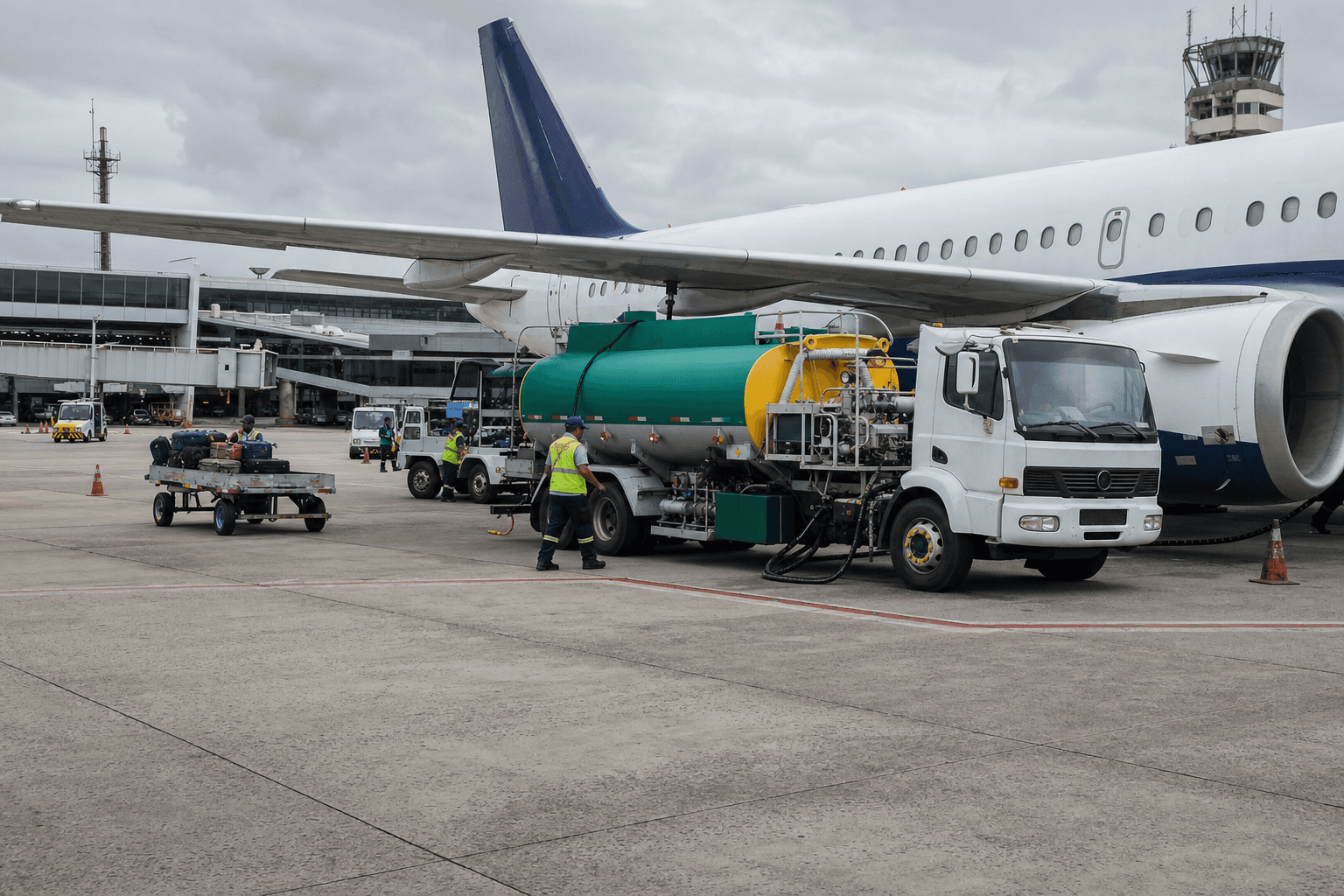
Abra Group, the airline holding company that controls Brazil’s Gol and Colombia-linked Avianca, reported stronger top-line growth in the second quarter, but a sharp increase in aviation fuel costs pushed the group further into the red.
The company posted revenue of US$ 2.59 billion between April and June, up 17.7% from the same quarter of 2025. The net loss, however, widened to US$ 766 million, compared with a loss of US$ 178 million a year earlier.
For international investors watching Latin American aviation, the numbers underline a familiar tension in the sector: passenger demand is improving, ancillary businesses are expanding, and cargo remains relevant, but fuel volatility can quickly overwhelm operating gains.
“We delivered relevant revenue growth in the second quarter, supported by our passenger and cargo operations,” Abra Group chief executive Adrian Neuhauser said in a statement.
Fuel costs squeeze margins despite higher traffic
Abra said aviation fuel was the main pressure point in the quarter. Fuel expenses rose 80.2% over the year, weighing on operating margins and reducing profitability despite growth in traffic and capacity.
The company said it took several steps to offset the increase. These included passing on around 49% of the fuel price rise to passengers, settling US$ 88 million in foreign exchange and oil derivatives, and implementing cost reductions.
Fuel is one of the most important cost lines for airlines operating in Brazil and across Latin America, where exchange rate exposure can amplify oil price swings. Jet fuel is typically priced in dollars or linked to international benchmarks, while a large share of ticket revenue is generated in local currencies. That mismatch is closely watched by creditors, shareholders, and aircraft lessors.
Even with the heavier cost burden, Abra reported better operating indicators. The group carried 17.6 million passengers in the second quarter, an increase of 4.3% from a year earlier. Flight capacity rose 6.5% over the same period.
Those figures suggest that demand across the group’s network continued to grow, although not enough to prevent the jump in costs from flowing through to the bottom line.
Cargo and loyalty units continue to expand
Abra’s non-passenger businesses also contributed to revenue growth. Cargo transport and other revenue streams generated US$ 448 million in the quarter, up 14.8% year on year.
The group transported about 214,000 tonnes of cargo. GOLLOG, Gol’s logistics and cargo business in Brazil, held a 46% share of the Brazilian air cargo market, according to the company.
For international companies, that cargo footprint is relevant beyond the airline industry itself. Brazil’s geography makes air freight important for higher-value goods, urgent deliveries, e-commerce fulfilment, healthcare products, and time-sensitive industrial components. Airlines with domestic reach can become part of broader supply chain strategies, particularly in a country where road transport still carries much of the logistics burden.
Abra’s loyalty platforms also posted strong growth. Smiles, linked to Gol, and LifeMiles, linked to Avianca, recorded gross billings of US$ 339 million, a 30.9% increase compared with the second quarter of 2025.
Airline loyalty programmes in Brazil and Latin America are significant financial assets. They generate cash through partnerships with banks, credit card issuers, retailers, and travel companies, while also helping airlines retain customers. For investors, growth in gross billings can indicate stronger consumer engagement and partnership activity, although the financial value depends on redemption costs, programme liabilities, and broader travel demand.
Liquidity remains sizeable, leverage rises
Abra ended June with total liquidity of US$ 2.1 billion. That included US$ 1.4 billion in unrestricted cash and cash equivalents, equal to 19.6% of revenue over the previous 12 months.
The group’s consolidated net debt stood at US$ 9.4 billion at the end of the quarter. Financial leverage, measured as net debt to adjusted Ebitdar over the last 12 months, rose to 3.7 times from 3.1 times at the close of the first quarter.
Ebitdar, a common metric in aviation, means earnings before interest, taxes, depreciation, amortisation, and aircraft rent. It is often used to compare airlines because leasing costs can vary significantly by fleet structure.
The increase in leverage will be an important point for investors and lenders to monitor, particularly in a sector exposed to fuel prices, currency swings, interest rates, and aircraft availability. Abra’s revenue expansion shows that demand and ancillary businesses are not the immediate problem. The challenge is converting that growth into sustainable margins while managing a large debt load.
For companies assessing Brazil’s aviation, logistics, travel, or consumer loyalty markets, Abra’s quarter offers a useful snapshot of both opportunity and risk. If you want to invest in or do business with Brazil, connect with Brazil Business Club to understand the market, identify partners, and move with better local context.
Doing business in Brazil?
Brazil Business Club connects investors and companies from around the world with the people and opportunities driving Brazil's economy. Tell us what you are looking for and we will help you take the next step.
Reported by the Brazil Business Club newsroom, with reference to Valor Econômico.